Introduction: The Bright Streak in the Sky Explained
Early this morning, residents across the Eastern United States looked up to see an unexpected, brilliant streak of light racing across the sky. Social media quickly buzzed with speculation—was it a meteor? A comet? Or even something stranger? While such dazzling sights often spark wild theories, the answer this time was far more down-to-earth, though no less spectacular. The bright streak was not a natural celestial event but the result of a late-night rocket launch from Florida—part of the ongoing expansion of SpaceX’s Starlink satellite network [Source: Source]. Understanding what caused this phenomenon can help demystify similar future events and connect us to the awe-inspiring advances in space technology happening just overhead.
What Was the Bright Streak? Understanding Rocket Launches
Rocket launches are increasingly common along Florida’s Space Coast, but under certain conditions, they can become visible hundreds or even thousands of miles away. When a rocket like SpaceX’s Falcon 9 lifts off, especially during the pre-dawn hours, it produces a plume of exhaust that catches sunlight high above the Earth’s shadow. This creates a vivid, glowing streak—a phenomenon sometimes referred to as a “space jellyfish” due to its dramatic appearance.
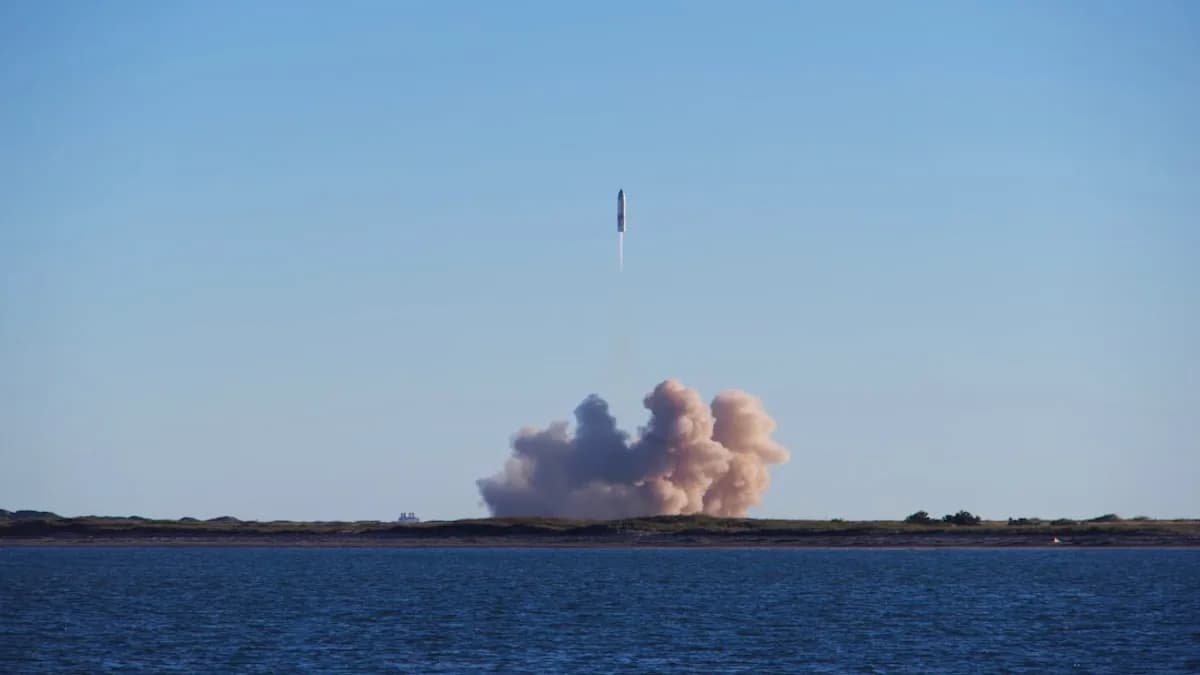
The specific event responsible for this morning’s spectacle was the launch of a Falcon 9 rocket from Cape Canaveral. This mission marked a significant milestone: the deployment of the 1,000th Starlink satellite for 2026, part of SpaceX’s ambitious plan to build a global internet constellation [Source: Source]. The rocket’s timing also played a crucial role. The launch window was just before sunrise, when the sky was still dark for most observers on the ground, but the rocket and its exhaust plume had already risen high enough to be illuminated by the sun.
As the Falcon 9 ascended, it traveled northeast along the Atlantic coast. Its trajectory and the immense speed of the vehicle—reaching thousands of kilometers per hour within minutes—allowed its brilliant exhaust trail to be seen well beyond Florida. People as far away as Pennsylvania reported witnessing the glowing streak, demonstrating how rocket launches, under the right conditions, can become shared experiences across multiple states [Source: Source].
Why Was It So Bright and Visible Across Multiple States?
The extraordinary brightness and visibility of this morning’s launch weren’t just a matter of luck. Several atmospheric factors combined to create a perfect viewing event. First, the rocket’s exhaust plume was illuminated by sunlight while the ground below remained in darkness. This contrast makes the plume appear particularly bright against the night or early morning sky.
Another key factor is the altitude reached by rockets soon after launch. As the Falcon 9 climbed through the atmosphere, its exhaust trail expanded and reflected sunlight more effectively. This phenomenon is most striking during “twilight” launches, when the sun is just below the horizon for ground observers but shining directly on the high-altitude plume.
Reports came in from well beyond Florida, including states like Pennsylvania, where skywatchers described seeing the luminous streak cutting across the sky [Source: Source]. Such widespread visibility is possible because the rocket’s trajectory carries it up the East Coast and its illuminated plume can stretch for hundreds of kilometers, visible to anyone with a clear view to the southeast.
How to Identify Rocket Launches vs. Other Celestial Events
With so many objects streaking across the sky, how can you tell a rocket launch from a meteor or a comet? Each type of event has distinct characteristics:
- Rocket launches: These appear as slow-moving, bright streaks that can last several minutes. The trail often widens and may change shape as the rocket stages separate or as its exhaust interacts with different layers of the atmosphere. The color can range from white to orange or even blue, depending on the rocket’s fuel and the lighting conditions.
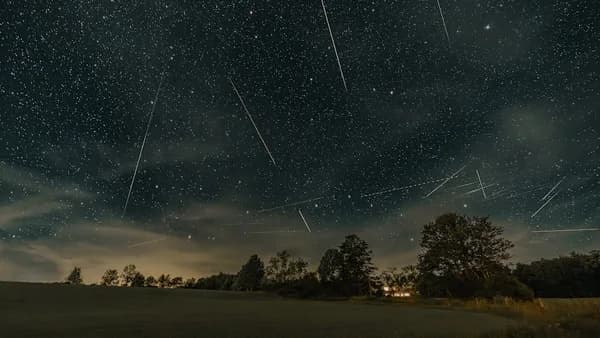
- Meteors: Often called “shooting stars,” meteors flash across the sky in a matter of seconds, sometimes leaving a brief, glowing trail. They move much faster than rockets and tend to appear randomly, not following a fixed launch schedule.
- Comets: These are rare and appear as faint, fuzzy objects with a long tail that remains in the sky for days or weeks. Unlike rockets or meteors, comets move slowly across the sky and are visible for longer periods.
For skywatchers hoping to identify future events, check online resources for scheduled launches, note the direction and speed of the streak, and compare its duration to these descriptions. Rocket launches are almost always announced in advance and follow a predictable path [Source: Source].
Best Places and Times to Watch Rocket Launches
Florida’s Space Coast, especially areas around Cape Canaveral and Kennedy Space Center, offers some of the world’s best rocket launch viewing. Public parks, beaches along the Atlantic coast, and designated viewing areas provide unobstructed views of liftoff and ascent. For those living farther away, launches are most visible during the pre-dawn or dusk hours, when sunlight can illuminate the rocket’s plume against a darker sky.
If you want to catch a launch, check websites like SpaceX’s official launch schedule, NASA’s mission calendar, or local news outlets for updates. Many launches are livestreamed, and local news stations often provide viewing tips and safety information [Source: Source]. To maximize your chances of seeing a spectacular streak, plan to look southeast (for launches from Cape Canaveral) during the announced launch window, and bring binoculars or a camera for the best experience.
Conclusion: Appreciating the Spectacle of Modern Spaceflight
This morning’s brilliant streak was a vivid reminder of how spaceflight has become part of our everyday lives—and our skies. As rocket launches become more frequent, they offer not only awe-inspiring sights but also a tangible connection to humanity’s ambitions beyond Earth. Staying informed about upcoming launches can turn an ordinary morning into a memorable shared event. Whether you’re a space enthusiast or a casual observer, taking a moment to look up can foster a sense of wonder and appreciation for the technological marvels unfolding just above us [Source: Source].