A 260 km Asteroid: Rethinking the Origins of the Moon’s Largest Crater
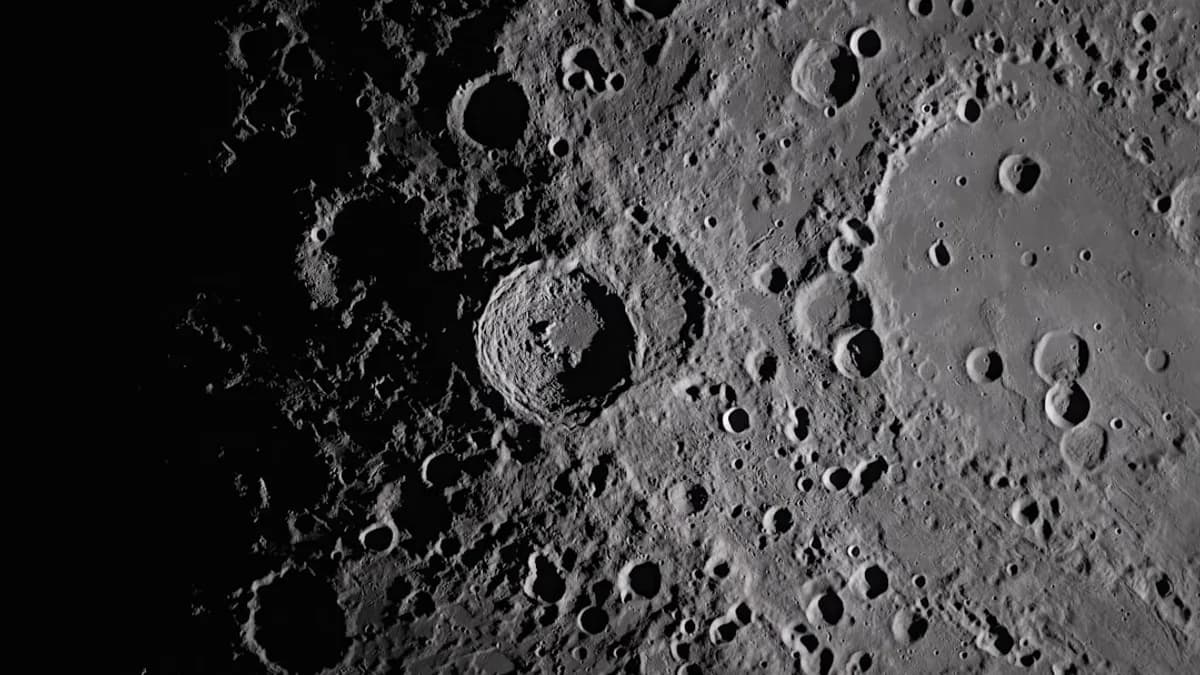
A single asteroid, measuring an estimated 260 kilometers in diameter, may have blasted out the largest crater on the Moon—reshaping not just the lunar surface, but our understanding of its violent past. This assertion, drawn from new research, dramatically raises the scale of objects responsible for the Moon’s most prominent scars, according to Notebookcheck.
If this impactor estimate holds, it challenges prior assumptions about the size and frequency of catastrophic collisions in the inner solar system. The findings also sharpen the focus of future lunar missions: astronauts may soon hunt for physical remnants of this ancient event, potentially unlocking direct evidence of its magnitude.
The Science Behind the 260 km Hypothesis
Estimating the size of an impactor from a crater is both an art and a science. Researchers typically rely on computer simulations and geological analysis to reverse-engineer the event—matching crater scale, shape, and lunar structure to plausible asteroid dimensions. In this case, the diameter estimate of 260 km far exceeds the sizes of most objects that strike planetary bodies, suggesting a truly exceptional collision.
While the Notebookcheck source does not provide detailed data or models, the very mention of a 260 km asteroid implies the use of established impact scaling equations and comparative analysis against known lunar topography. The sheer size of the hypothesized impactor stands out: it would be among the largest asteroids ever considered as collision candidates for the inner solar system.
The available information does not specify how ejecta patterns, melt volume, or subsurface features support the 260 km figure. That absence limits the ability to compare this event with others in the solar system, but the claim alone signals a seismic shift in impact science if confirmed.
Stakeholder Reaction: Scientists and Astronauts Eye the Crater
Researchers emphasize that astronauts may be able to collect remnants from this ancient impact during future lunar missions. This possibility elevates the scientific value of the site: direct sampling of impactor material could validate hypotheses about asteroid composition, velocity, and even the timing of the event.
The source stops short of quoting planetary geologists or detailing space agency mission plans. Still, MLXIO analysis: the prospect of retrieving fragments from such a massive impact likely intensifies interest among lunar scientists and exploration planners. Physical samples could resolve longstanding debates about the Moon’s early bombardment and the processes that shaped its crust.
What’s Unclear: Gaps in Evidence and Unanswered Questions
Key details remain missing. The source does not name the specific crater in question, nor does it outline the methods, models, or datasets underpinning the 260 km estimate. There’s no information on whether researchers have already identified candidate impactor fragments or their accessibility to future missions.
The lack of comparative context—such as how this asteroid’s size stacks up against other major lunar or planetary impactors—also limits the story’s broader implications. Without confirmation of the crater’s identity or supporting geological evidence, the claim stands as a provocative hypothesis rather than a definitive revision of lunar history.
Why It Matters: Implications for Lunar Science and Exploration
If future missions confirm the presence of 260 km-class impactor material, lunar science would gain a unique window into the mechanics of giant collisions. Such samples could reveal the composition of deep space asteroids and deliver hard data on the Moon’s formative chaos. This, in turn, could refine models of crater formation, crustal evolution, and even the solar system’s early dynamics.
For exploration strategy, the possibility of sampling remnants from this event gives new urgency to targeting the largest lunar craters. Astronauts and robotic missions could prioritize these sites for direct analysis, maximizing the scientific return on investment.
What to Watch: Next Steps and Evidence That Will Settle the Debate
The most immediate test: whether upcoming lunar missions target the largest crater and succeed in retrieving impactor remnants. Direct compositional analysis would either cement the 260 km asteroid hypothesis or force a rethink. Further publication of the underlying data, crater identification, and model specifics will be essential for independent review.
If these findings are substantiated, expect a shift in both research priorities and mission planning. The search for evidence of extreme impacts could reshape how scientists interpret the Moon’s surface—and, by extension, the collision history of Earth’s neighborhood. For now, the 260 km claim is a call to dig deeper—literally and scientifically—into the Moon’s battered face.
Why It Matters
- A possible 260 km asteroid impact reshapes scientific understanding of the Moon's history and its largest crater.
- The finding challenges previous assumptions about the scale and frequency of catastrophic collisions in our solar system.
- Future lunar exploration may target remnants of this event, unlocking new evidence about planetary formation and evolution.