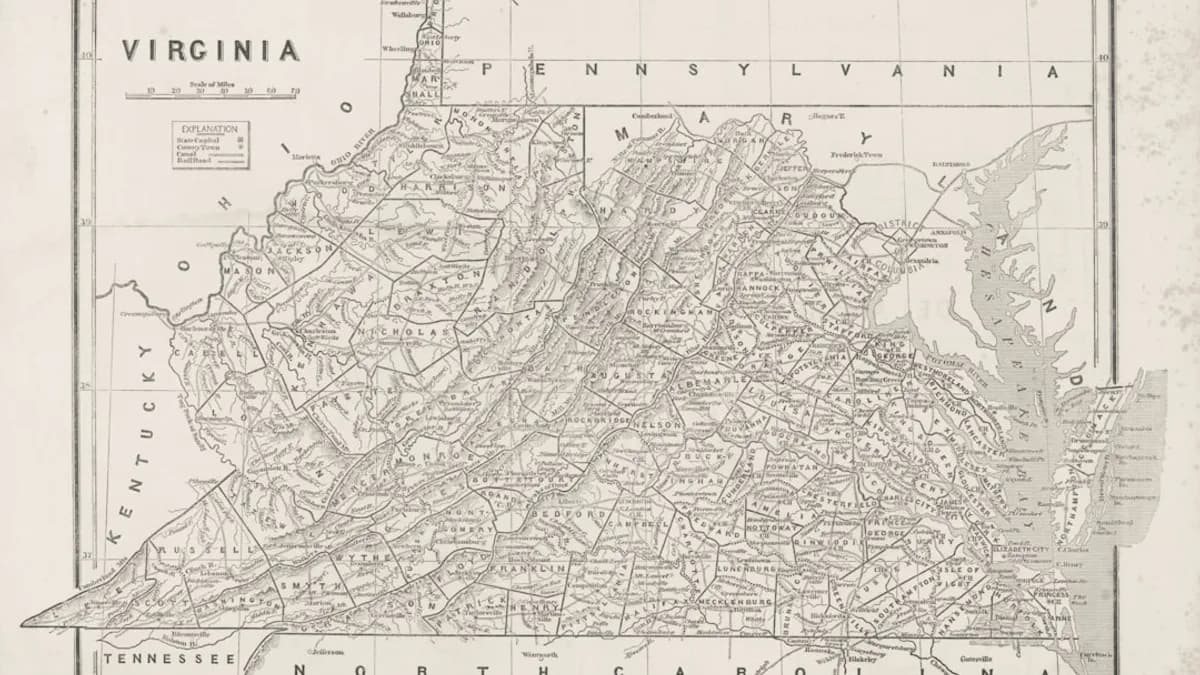
Introduction: The High Stakes of Virginia's Redistricting Battle
Virginia’s current redistricting election is not just another ballot measure—it’s a pivotal moment that could reshape how political power is distributed in the state for years to come. The stakes are high, as the outcome will determine whether Virginia moves toward more independent, nonpartisan redistricting or preserves a system vulnerable to gerrymandering. Amid this heated contest, Republicans have claimed that Barack Obama supports their position—a claim that has rapidly circulated, sowing confusion among voters. Yet, the reality is quite different: Obama has publicly endorsed the opposing side, urging Virginians to vote ‘Yes’ for reform. This opinion piece aims to dissect the misinformation at play, analyze its strategic use, and explore its broader implications for democratic integrity and voter trust. In a climate where truth is often the first casualty of politics, Virginia’s redistricting battle offers a telling case study of how misinformation can shape—and distort—electoral outcomes.
The Reality Behind the Claims: Obama's Actual Position
To understand the controversy, it is essential to clarify Barack Obama’s actual stance on Virginia’s redistricting measure. Days before the critical election, Obama released a video explicitly calling for Virginians to vote ‘Yes’—a position that supports the creation of an independent redistricting commission. This commission aims to remove partisan influence from the drawing of legislative districts, thereby curbing the practice of gerrymandering that has plagued Virginia and many other states [Source: Source].
A ‘Yes’ vote on the ballot represents a move toward transparency and fairness, shifting the power to redraw district lines away from politicians and into the hands of a bipartisan commission. Obama’s endorsement was unequivocal, positioning him firmly in favor of reform, not with the status quo favored by many Republican leaders. Despite this, some Republican campaign messaging has attempted to co-opt Obama’s credibility, suggesting he supports their side of the debate—a claim that contradicts his public statements and actions.
Obama’s involvement has energized reform advocates and injected national attention into what might otherwise be a technical, low-profile election. His backing lends legitimacy to the push for independent redistricting and could sway undecided voters, especially those who view him as a trusted authority on democratic values. The contrast between Republican assertions and Obama’s true position underscores the urgency of clear communication in an election where the outcome will fundamentally affect Virginia’s political landscape.
The Republican Strategy: Misusing Obama's Name to Gain Political Advantage
Why would Republicans claim Barack Obama is on their side when he has openly endorsed the opposite position? The answer lies in the complex calculus of political messaging. In a state where Obama remains popular among key voter segments, associating their campaign with his name can be a powerful—if misleading—tool to sway opinions and muddy the waters. This tactic is not unique to Virginia; it reflects a broader trend in American politics where high-profile endorsements are weaponized, sometimes without the actual consent or alignment of the figures involved.
The ethical implications of such misinformation are profound. By misrepresenting Obama’s stance, Republicans risk undermining the integrity of the electoral process and eroding public trust in political discourse. This is not simply a matter of creative campaigning; it is a deliberate distortion of facts that can lead voters to make decisions based on false premises. In an era marked by skepticism toward political institutions and widespread concern about “fake news,” such tactics further polarize the electorate and degrade the quality of democratic deliberation.
This strategy echoes a wider pattern of voter manipulation seen across the United States. Political actors increasingly deploy misleading narratives, selectively edited statements, and outright falsehoods to confuse, distract, and ultimately influence voter behavior. The Virginia case is notable because it involves a direct contradiction of a well-documented public statement by a former president, raising the stakes for accountability and transparency.
The risks are not merely theoretical. If voters are swayed by false claims, the legitimacy of the election outcome is compromised. Moreover, repeated exposure to misinformation can foster cynicism, disengagement, and apathy—all of which undermine the foundational principles of democracy. The Virginia redistricting battle thus serves as a microcosm of the dangers posed by unchecked political messaging and the urgent need for ethical standards in campaign conduct.
Voter Confusion and the Complexity of the Redistricting Ballot Question
The Virginia redistricting ballot question has left many voters scratching their heads. The language is technical, the stakes are complex, and the flood of conflicting messages—including the false claims about Obama’s position—has only intensified confusion [Source: Source]. This confusion is not accidental; it is exacerbated by deliberate misinformation and campaign strategies that exploit ambiguity.
For voters, the challenge is twofold: understanding what the ballot measure actually proposes, and discerning which messages are truthful. Many Virginians are unfamiliar with the specifics of redistricting or the mechanics of independent commissions, making them susceptible to simplified or misleading narratives. In this environment, clear and factual communication is essential—not only to ensure informed voting, but to protect the legitimacy of the outcome.
When misinformation dominates the conversation, voters may make choices that do not reflect their true interests or values. Worse, confusion can discourage participation altogether, leading to lower turnout and diminished public trust. Election officials, advocacy groups, and the media bear a responsibility to cut through the noise, provide accessible explanations, and fact-check campaign claims. Only then can voters approach the ballot box with confidence and clarity.
Virginia’s experience is a reminder that democracy hinges not just on the act of voting, but on the quality of information available to the electorate. In moments of uncertainty, transparency and honesty must prevail if elections are to fulfill their democratic promise.
The Broader Implications for Democracy and Electoral Integrity
Virginia’s redistricting battle is not an isolated incident—it is emblematic of deeper challenges facing American democracy. Gerrymandering has long been a scourge on the electoral process, allowing political parties to entrench their power at the expense of fair representation. The fight over independent redistricting commissions is part of a nationwide movement to restore balance and accountability to the system.
Yet, the proliferation of misinformation campaigns threatens to undermine these reform efforts. When political actors distort facts, misrepresent endorsements, or sow confusion about ballot measures, the very foundation of electoral fairness is at risk. The Virginia incident illustrates how quickly and effectively such tactics can spread, shaping voter perceptions and influencing outcomes [Source: Source].
This raises urgent questions about accountability and transparency in political advertising. Should campaigns be allowed to make claims that are demonstrably false? What mechanisms exist to correct misinformation and penalize those who deploy it? While the First Amendment protects free speech, it also demands responsibility, especially when that speech directly affects the public’s ability to make informed choices.
Voters, too, play a crucial role. In an environment awash with conflicting messages, it is essential for citizens to critically evaluate claims, seek out reliable sources, and demand clarity from those seeking their votes. Educational initiatives, fact-checking organizations, and transparent campaign practices can help bridge the gap, but ultimately, the health of democracy depends on an engaged and discerning electorate.
The Virginia case is a cautionary tale—but also an opportunity. By confronting misinformation head-on, advocating for reform, and insisting on truthfulness in political discourse, voters and officials alike can protect the integrity of elections and move toward a more representative democracy.
Conclusion: Upholding Truth and Integrity in Virginia's Redistricting Fight
The controversy over Barack Obama’s position in Virginia’s redistricting election highlights the dangers of misinformation in a high-stakes political environment. Despite Republican claims, Obama has publicly endorsed reform, urging Virginians to vote ‘Yes’ for independent redistricting—a fact that underscores the need for honesty and transparency in campaign messaging [Source: Source]. As voters navigate confusing ballot language and competing narratives, the importance of seeking accurate information and participating actively cannot be overstated.
Protecting democratic values requires vigilance—by voters, officials, and the media alike. Virginia’s experience serves as a reminder that truthfulness is not merely a virtue, but a prerequisite for electoral legitimacy. In contentious elections, upholding integrity is the best defense against manipulation and the surest path toward a more just and fair political system.