
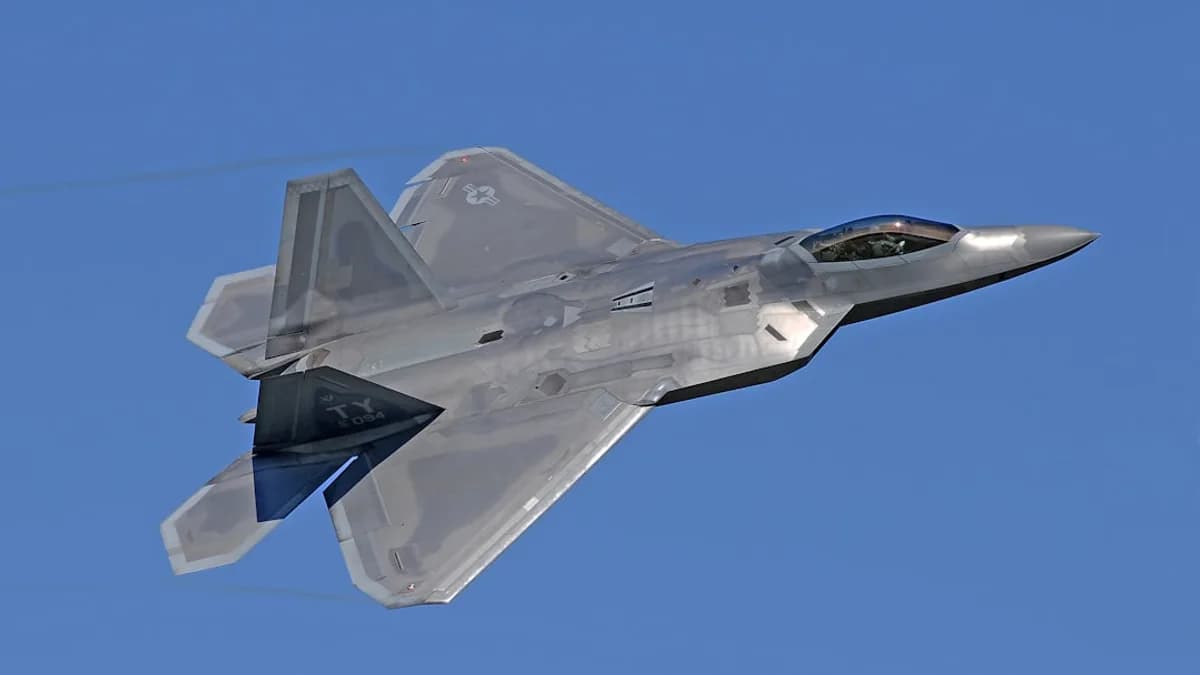
Introduction: The Significance of the FCAS Project
The Future Combat Air System (FCAS) represents one of the most ambitious joint defense ventures between France and Germany, aiming to develop a next-generation fighter jet and integrated air combat platform. Designed to replace current fleets and bolster European security autonomy, FCAS has become a symbol of technological innovation and strategic cooperation. But recent news suggests the project is facing serious headwinds: mediation efforts to resolve internal disputes have failed, as reported by Handelsblatt and echoed across multiple sources [Source: Source]. This breakdown underscores not only the fragility of such multinational collaborations, but also the pressing need for transparency and decisive political action. As the FCAS project teeters on the brink, its fate may well determine the future of European defense collaboration and the continent’s ability to compete in a rapidly evolving global arms market.
Background: Origins and Ambitions of the FCAS Program
Franco-German defense cooperation has a storied history, from the Airbus consortium to joint development of military hardware. FCAS emerged from this tradition in 2017, driven by a shared vision: to create a technologically advanced fighter jet that would ensure Europe’s strategic autonomy and reduce dependence on non-European suppliers. The program’s ambitions extend beyond aircraft; FCAS aims to integrate drones, sensors, and networked systems into a seamless combat environment, positioning Europe at the forefront of military innovation.
Key objectives include fostering industrial leadership, bolstering defense capabilities, and securing jobs within the European aerospace sector. Both governments—Germany and France—have invested heavily, with their defense ministries playing central roles in steering the project. Yet, FCAS has faced significant challenges from the outset: technical complexity, divergent military requirements, and budgetary constraints have repeatedly tested the partnership. As the project advanced, it became clear that maintaining alignment across national interests and industrial partners would demand not only technical prowess, but also robust diplomatic coordination.
The Mediation Failure: What Went Wrong?
The latest mediation effort, undertaken to resolve mounting disagreements within the FCAS consortium, has ended in disappointment. According to Handelsblatt, mediators failed to bridge the divide between France and Germany over project management, transparency, and resource allocation [Source: Source]. The deadlock centers on how the program should be governed and who should control key research and development milestones—a sensitive issue given the scale and complexity of FCAS.
Transparency has become a particularly contentious point. German Green Party lawmaker, as cited in Table.Briefings, criticized the Defense Ministry’s opacity, arguing that lack of open communication fuels mistrust and undermines public support for the project. This sentiment resonates among stakeholders who worry that secretive negotiation processes are impeding progress and eroding confidence.
As a result, the project’s timeline is now at risk. The inability to resolve core disputes threatens to delay the FCAS rollout, potentially pushing back the scheduled deployment of new fighter jets well beyond current projections. More broadly, the mediation failure has shaken the confidence of industrial partners and government officials alike, raising questions about the long-term viability of the collaboration. Without urgent intervention, FCAS may join a growing list of European defense initiatives hampered by political and organizational discord.
The Broader Implications of the Dispute
The FCAS dispute carries weighty implications for European defense collaboration. At stake is not just a fighter jet, but the very model of European cooperation in an era marked by rising geopolitical uncertainty. If the project stalls, it could signal to allies—and adversaries—that Europe struggles to unite on critical security issues. Such fragmentation risks weakening the continent’s collective bargaining power and undermining its strategic autonomy.
Technological innovation is also in jeopardy. FCAS was envisioned as a leap forward, enabling Europe to compete with American and Chinese defense giants. Prolonged deadlock could sap momentum, giving rival projects in the United States and Asia a chance to outpace European advances. The global arms market is unforgiving; delays and internal conflicts may result in lost contracts, diminished influence, and a brain drain of talent.
Politically, the dispute reverberates within both Germany and France. Public trust in government stewardship of defense projects is fragile, especially when transparency is lacking and costs appear to spiral. Intergovernmental relations may suffer, as national interests clash and longstanding alliances are tested. There is also the risk that domestic pressures in either country could prompt unilateral decisions, unraveling years of painstaking negotiation.
Perhaps most concerning is the danger of losing ground to external competitors. With other nations racing ahead in drone integration, artificial intelligence, and network-centric warfare, Europe cannot afford to let FCAS become another cautionary tale of missed opportunities and bureaucratic inertia.
The Need for Greater Transparency and Political Intervention
Transparency is the cornerstone of public accountability, especially for high-stakes defense projects funded by taxpayers. When government ministries operate in secrecy, it breeds suspicion and makes it harder to secure sustained political and public backing. The criticism from Germany’s Green Party lawmaker highlights a broader issue: defense initiatives like FCAS must be subject to rigorous scrutiny, with clear communication about challenges, costs, and progress [Source: Source].
Political leaders have a vital role to play in breaking the deadlock. It is not enough to delegate responsibility to mediators or technical experts; resolving fundamental disagreements requires high-level commitment and a willingness to compromise. Germany and France must reaffirm their shared vision for FCAS, set aside parochial interests, and commit to a transparent decision-making process that includes all stakeholders.
Improving communication is essential. Joint committees, regular public briefings, and open channels between ministries can help reduce misunderstandings and foster trust. Decision-making should be collaborative, with both nations having equal say in shaping the project’s direction. This approach would not only address current disputes, but also lay the groundwork for more resilient partnerships in future defense ventures.
Aligning strategic priorities is another crucial step. Both countries must agree on the scope of FCAS, its technological roadmap, and how resources will be shared. Equitable allocation of funding, intellectual property, and industrial work packages will help prevent resentment and ensure that both France and Germany benefit fairly from the project.
Ultimately, the FCAS dispute is a test of European leadership. By embracing transparency and political intervention, Germany and France can demonstrate that multinational defense projects are not only possible, but can thrive in an environment of mutual trust and shared ambition.
Conclusion: Charting a Path Forward for FCAS
The FCAS project is more than a technical challenge—it is a litmus test for European defense and technological sovereignty. The current dispute, highlighted by the failed mediation [Source: Source], threatens to derail years of progress and undermine confidence in joint ventures. But there is still time to salvage FCAS, provided political leaders step up, commit to transparent governance, and foster genuine cooperation.
Franco-German leadership has an opportunity to set a global example, proving that unity and innovation can overcome obstacles. Failure would be costly, not only in lost capabilities but in diminished influence. Success, on the other hand, would cement Europe’s role as a leader in defense technology and international collaboration. The path forward demands courage, openness, and a renewed commitment to shared strategic goals.