Introduction: Overnight Tornado Outbreak Strikes the Midwest and Great Lakes
A powerful tornado outbreak swept across the Midwest and Great Lakes overnight, leaving a trail of destruction and prompting urgent warnings for more severe weather in the coming days. Multiple tornadoes were reported in states including Illinois, Indiana, and Ohio, with local authorities confirming devastating structural damage, widespread power outages, and casualties in several communities [Source: Source]. The storms struck with little warning, and meteorologists have described the event as one of the most intense to hit the region in recent years. As emergency responders rushed to assess the damage, residents awoke to scenes of shattered homes and disrupted infrastructure, underscoring the growing threat posed by extreme weather events in the Midwest.
Extent of Damage and Affected Areas
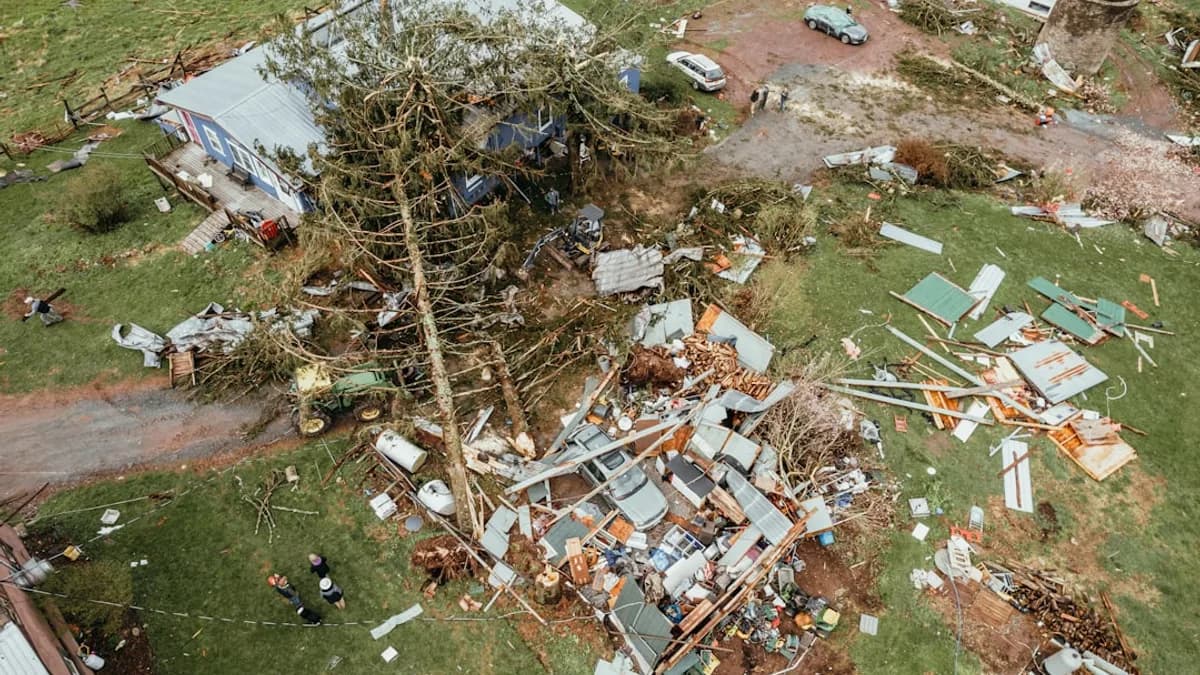
Hardest hit by the tornadoes were communities in central Illinois, northern Indiana, and southwestern Ohio, where local officials are reporting widespread devastation. In towns such as Springfield, IL and Fort Wayne, IN, homes have been reduced to rubble, businesses flattened, and vehicles overturned as tornadoes ripped through residential and commercial districts [Source: Source].
Power outages have left tens of thousands in the dark, with utility companies scrambling to restore service amid downed lines and damaged substations. Emergency services are stretched thin, responding to calls for assistance, conducting search and rescue operations, and clearing debris from blocked roads. In many neighborhoods, residents describe a chaotic scene, with emergency sirens blaring and families seeking shelter in basements and storm cellars.
The impact extends beyond physical damage. Schools and government offices in several counties have closed, while hospitals report an influx of patients with injuries ranging from minor cuts to serious trauma. The Red Cross and other relief organizations have set up temporary shelters for displaced families, and local authorities are urging caution as cleanup efforts begin.
Early assessments from emergency management agencies indicate that the tornado outbreak ranks among the most destructive in recent memory for these states. The National Weather Service is working to confirm the number and intensity of tornadoes, but preliminary reports suggest at least half a dozen twisters touched down, with wind speeds exceeding 120 mph in some areas [Source: Source]. As daylight reveals the full extent of the devastation, officials warn that recovery will be a long and challenging process.
Current Weather Conditions and Ongoing Threats
Meteorologists attribute the tornado outbreak to a fast-moving storm system fueled by warm, moist air from the Gulf of Mexico colliding with colder air from Canada. This volatile mix produced supercell thunderstorms capable of spawning multiple tornadoes in a short time frame [Source: Source].
The National Weather Service has issued ongoing warnings for severe thunderstorms and potential tornadoes across much of the Midwest and Great Lakes region, including parts of Michigan, Wisconsin, and Pennsylvania. Forecasters caution that the atmospheric conditions remain highly favorable for additional tornado activity, especially as the storm system moves eastward throughout the day.
Residents in cities such as Detroit, Cleveland, and Milwaukee are advised to brace for damaging winds, large hail, and heavy rainfall. The risk of flash flooding is elevated due to saturated ground and continued precipitation. Meteorologists are closely monitoring radar images and issuing real-time alerts as new storm cells develop.
Weather agencies emphasize the importance of vigilance, noting that tornadoes can form quickly and with little warning. The current forecast suggests that the threat will persist through the evening, with isolated tornadoes and severe thunderstorms likely along the storm’s projected path [Source: Source]. Authorities urge residents to have multiple ways to receive emergency alerts and to take action immediately if warnings are issued.
Preparedness and Safety Measures for Residents
With severe weather risks ongoing, officials are urging residents in affected and at-risk areas to prioritize safety and preparedness. The National Weather Service recommends that individuals review their emergency plans, identify safe shelter locations, and ensure that mobile devices are charged and equipped with weather alert apps [Source: Source].
Local governments have opened emergency shelters in schools, community centers, and churches for those displaced by the storm or seeking refuge from further threats. In some areas, evacuation orders remain in place until conditions stabilize and damage can be assessed. Residents are advised to avoid unnecessary travel, especially in regions with downed power lines or debris-covered roads.
Emergency management agencies stress the importance of staying informed through trusted sources such as radio broadcasts, official social media accounts, and weather websites. Those living in mobile homes or temporary structures are particularly vulnerable and should seek sturdier shelter if possible.
To minimize risk, experts recommend that residents keep a flashlight, bottled water, and basic first aid supplies on hand. Families are encouraged to establish a communication plan to stay connected during power outages or disruptions. Above all, authorities urge everyone to heed warnings and not underestimate the potential for rapidly changing conditions.
Response Efforts and Support Mobilization
In the wake of the tornado outbreak, local, state, and federal agencies are mobilizing a coordinated response to support affected communities. Emergency services, including fire, police, and medical teams, have been deployed to conduct search and rescue operations, provide medical care, and secure hazardous areas [Source: Source].
The Federal Emergency Management Agency (FEMA) is assessing the situation and stands ready to provide assistance, including temporary housing, financial aid, and logistical support. State governors have activated disaster response teams and requested additional resources to bolster relief operations.
Volunteers and community organizations are playing a crucial role in recovery efforts. The Red Cross, Salvation Army, and local charities are distributing food, water, and supplies to families in need. Social media campaigns are helping to coordinate donations and connect volunteers with opportunities to assist.
Utility crews are working around the clock to restore power, clear downed lines, and repair infrastructure. In many towns, residents are coming together to help neighbors clear debris and offer support. Authorities remind the public to exercise caution during cleanup, as hazards such as sharp objects, exposed wiring, and unstable structures remain prevalent.
As the situation evolves, officials are committed to maintaining open communication and providing updates on relief efforts, shelter availability, and recovery timelines. The focus remains on ensuring safety, meeting immediate needs, and preparing for continued severe weather.
Conclusion: Ongoing Vigilance as the Midwest and Great Lakes Brace for More Severe Weather
As the Midwest and Great Lakes region grapples with the aftermath of a destructive tornado outbreak, the threat of additional severe weather remains a pressing concern. Emergency responders, meteorologists, and community leaders are urging residents to stay alert, follow official guidance, and prioritize safety as the storm system continues its eastward march [Source: Source].
Recovery efforts are underway, but the road ahead will be challenging as communities work to rebuild and restore normalcy. In the meantime, public attention to weather updates, preparedness measures, and emergency advisories is crucial. The evolving situation underscores the importance of resilience and vigilance in the face of increasingly unpredictable weather patterns.
Authorities emphasize that staying informed and taking proactive steps can make a critical difference as the region braces for further storms. The coming hours and days will be pivotal, and residents are encouraged to check in with neighbors, support local relief efforts, and heed all warnings until the threat subsides.