How US Troop Withdrawal from Germany Could Shift NATO’s Strategic Balance
NATO’s eastern shield could feel thinner overnight. The US troop withdrawal from Germany isn’t just a logistical shuffle—it’s a visible crack in the alliance’s deterrence wall facing Russia. This move, flagged by CryptoBriefing, signals a recalibration that risks emboldening Moscow, especially as regional tensions simmer after the Ukraine invasion and Baltic saber-rattling.
Germany has long been central to US military operations in Europe; its bases enable rapid response across the continent and reinforce the credibility of NATO’s Article 5 guarantee. Cutting US boots on German ground weakens the “tripwire” effect—Russia knows fewer American troops means less immediate risk in probing NATO’s defenses, particularly in Poland and the Baltics. Expect gaps in intelligence sharing, logistics, and joint exercises, all of which amplify vulnerabilities along the alliance’s eastern flank.
The strategic calculus here isn’t just about numbers. It’s about speed: US forces stationed in Germany have historically slashed deployment times to hotspots like Poland or Romania. Reduced presence translates to longer reaction times, and that lag could tempt adversaries to test NATO’s resolve. The withdrawal also signals political ambivalence to both allies and rivals. In the unforgiving world of deterrence, perception is often the first casualty.
Quantifying the Impact: Troop Numbers, Deployment Changes, and Defense Budgets
The numbers tell a story that’s hard to ignore. The US plans to cut approximately 12,000 troops from Germany, dropping the total from about 36,000 to 24,000—a nearly 33% reduction. Of those, roughly 6,400 will return to the US, while 5,600 will redeploy elsewhere in Europe, mostly to Belgium and Italy, but not to frontline states like Poland or Lithuania. This isn’t a rebalancing toward the eastern edge—it’s a retrenchment from NATO’s core.
Contrast that with Russian military deployments. Russia maintains around 100,000 troops near its western border, with rapid mobilization capabilities and heavy armor concentrated in the Western Military District. NATO’s “Enhanced Forward Presence” battlegroups in Estonia, Latvia, Lithuania, and Poland total less than 5,000 troops combined, mostly rotational. US reductions widen the gap between potential aggressors and defenders.
NATO defense spending paints a mixed picture. Since 2014, European allies have increased budgets, but progress is uneven. Germany—now losing the US’s largest European footprint—pledged to hit the 2% GDP target by 2024, but its actual spend hovers at 1.4%. Poland, with a more exposed flank, already exceeds 2% but lacks the logistical depth Germany provides. The withdrawal forces Europe to reckon with its own defense shortfalls, even as the US signals a willingness to step back.
Diverse Stakeholder Reactions: NATO Allies, US Officials, and Russian Perspectives
German officials didn’t mince words—calling the withdrawal destabilizing and a “gift to the Kremlin.” Chancellor Scholz and Defense Minister Pistorius pressed Washington to reconsider, warning that the move undermines transatlantic trust and leaves Eastern Europe exposed. Poland and the Baltics echoed these concerns, demanding greater NATO solidarity and faster force repositioning toward their borders.
The US government’s rationale is a mix of cost savings, force flexibility, and political messaging. Pentagon spokespeople claim the shift enables “strategic agility,” allowing troops to deploy where needed, not just where they've always been. Critics inside Washington, including bipartisan Congressional voices, argue the move sacrifices deterrence for short-term optics and risks emboldening Russia at a precarious moment.
Russia’s response is predictably opportunistic. Kremlin officials called the withdrawal “an admission of NATO’s internal divisions,” framing it as proof that Europe cannot count on American protection. Russian state media amplified the narrative, suggesting the alliance is fracturing and the path to greater influence in Eastern Europe is opening. Moscow’s military planners will likely interpret the reduction as a window for increased pressure—whether through hybrid tactics or conventional posturing.
Historical Parallels: Previous US Military Drawdowns and Their Effects on European Security
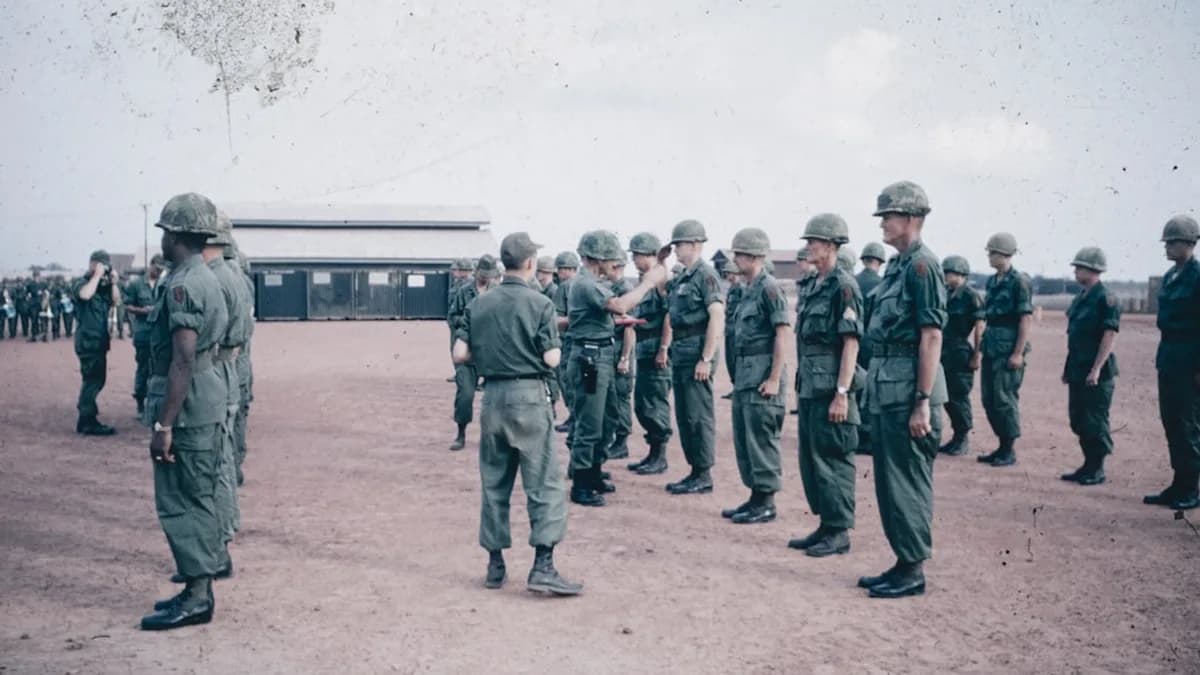
This isn’t the first time Washington has trimmed its European military footprint. After the Cold War, US troops in Germany dropped from over 200,000 in the late 1980s to fewer than 60,000 by the early 2000s. NATO survived, but the security environment then was markedly different—Russia was weak, Europe was stable, and the alliance faced no immediate military threat on its borders.
The 2012 drawdown, triggered by budget sequestration, saw the closure of several US bases and the removal of two Army brigades. The result was a hollowing out of rapid deployment capacity, only partially restored after Russia’s annexation of Crimea in 2014. NATO scrambled to reassert presence with rotational battlegroups, but the credibility of the alliance’s deterrence suffered a hit. The lesson: troop reductions signal vulnerability and embolden adversaries, especially when the security environment is volatile.
The Cold War “tripwire” model worked because the US presence was unquestioned and substantial. Each previous reduction forced Europeans to step up, but always with the implicit promise that US reinforcements would surge in a crisis. Today, that promise feels less ironclad. Russian planners remember these drawdowns—and the windows they created for mischief.
What Reduced US Presence Means for European Security and NATO’s Future Deterrence
Eastern Europe faces a new calculus. With fewer US troops in Germany, NATO’s ability to respond to a Russian incursion—be it in Kaliningrad, the Suwalki Gap, or the Donbas—slows. Deterrence isn’t just about capability; it’s about signaling that the alliance will act swiftly and decisively. A thinner US footprint muddies that signal.
European NATO members must adapt. Germany faces pressure to invest in logistics, airlift, and rapid deployment infrastructure to compensate for lost US assets. Poland and the Baltics are likely to accelerate their own force buildups, calling for more permanent NATO deployments and deeper integration of EU and NATO defense planning. France and the UK may step up, but their political appetite for sustained forward basing remains limited.
Transatlantic relations face a stress test. The US shift amplifies calls for “burden-sharing”—but the reality is that most European militaries lack the scale, readiness, and interoperability to fill the gap quickly. The withdrawal exposes a fundamental question: can NATO remain credible without substantial US ground presence in its heartland? If the answer trends negative, expect more talk of European “strategic autonomy”—and a less unified alliance.
Forecasting NATO-Russia Dynamics: Potential Scenarios Following the US Troop Drawdown
Short term, expect Russia to probe NATO’s resolve. Cyberattacks, disinformation campaigns, and military exercises along the border will intensify, testing the alliance’s cohesion and response speed. Moscow may escalate hybrid operations in Ukraine, Moldova, or the Baltics, betting that slower US reinforcements create exploitable gaps.
Diplomatic recalibrations are already underway. Germany and Poland are lobbying for more NATO assets, while France pushes for greater EU defense integration. Washington faces mounting pressure to clarify its commitment—will it surge reinforcements if needed, or is the era of automatic transatlantic support fading?
Long term, the risk is a bifurcated NATO: a core anchored in Western Europe, and an exposed eastern periphery forced to harden its defenses without full US backing. If European spending and coordination ramp up, the alliance may muddle through. If not, Russia could seize the opportunity to shift borders, influence politics, or rewrite the rules of engagement. Previous drawdowns didn’t trigger major conflict, but today’s Russia is assertive, and NATO’s unity is less certain.
The most likely scenario: heightened tension, increased military spending in Europe, and a shift toward rotational US deployments rather than permanent basing. The era of “tripwire” deterrence is ending; NATO must invent a new model, or risk inviting the next crisis on its eastern edge.
Impact Analysis
- Reduced US troop presence in Germany weakens NATO's eastern deterrence against Russia.
- Longer deployment times and gaps in intelligence may increase vulnerabilities for Europe’s frontline states.
- The move signals political uncertainty to both allies and adversaries, potentially emboldening Russian actions.