Why Trump’s Hormuz Mission Escalates Tensions in the Iran Conflict
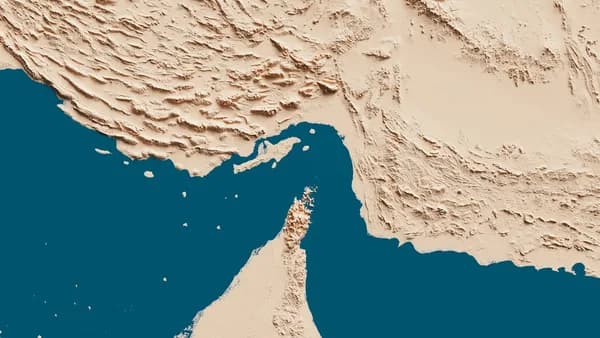
Trump’s decision to launch a new military mission in the Strait of Hormuz throws oil markets and diplomatic circuits into immediate uncertainty. The Strait isn’t just a chokepoint—it’s the main artery for nearly a third of the world’s seaborne oil. Any military buildup here spells trouble far beyond Iran and the US. On day 66 of the conflict, Trump’s move signals not just a tactical shift, but a recalibration of US intent: deterrence, not dialogue, is back on the table.
The timing is deliberate. Iran had just publicly received the US response to its peace proposal, hinting at a possible thaw after weeks of escalation. By announcing the Hormuz mission now, Trump’s administration is sending a signal—any Iranian diplomatic outreach will run parallel to hard power, not replace it. This isn’t subtle. It’s a pivot from the ambiguity of earlier weeks, when US policymakers oscillated between sanctions, back-channel talks, and threats. As Al Jazeera reports, the new mission lands as Iran’s leadership tries to leverage its peace proposal with European mediators and Gulf states.
So what? The Hormuz mission is not just a military gesture—it’s a message to global markets, regional actors, and Iran itself: the US is willing to risk escalation if it means retaining leverage. This ups the ante for any future negotiation, and increases the probability that even a minor miscalculation could trigger wider conflict.
Dissecting the Numbers: Military Presence and Economic Stakes in the Hormuz Strait
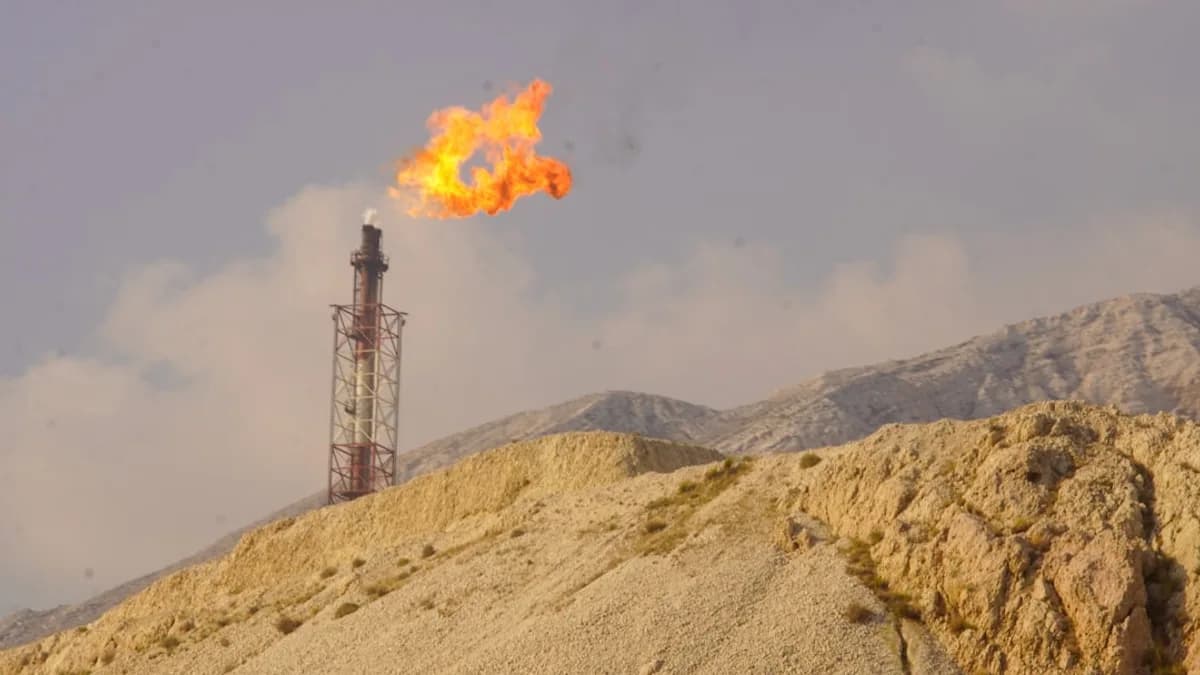
About 21 million barrels of oil pass through the Strait of Hormuz daily—roughly 30% of global seaborne oil, and 20% of worldwide consumption. The stakes are colossal: a single week of disruption can spike Brent crude by $10-20 per barrel, adding billions to global energy costs. In 2019, a brief Iranian threat to close the Strait sent oil futures up nearly 15% overnight.
Military presence is dense and growing. The US Navy’s Fifth Fleet, anchored in Bahrain, has rerouted two carrier strike groups and deployed at least 40 warships, including destroyers and surveillance drones. Iran’s Revolutionary Guard has positioned fast-attack boats, mines, and anti-ship missiles along its Hormuz coast. Satellite intelligence shows at least 70 Iranian naval assets in the area, with several missile batteries on alert.
The economic fallout isn’t just theoretical. Insurance premiums for tankers transiting the Strait have already surged by 40% since the conflict started. Major shipping firms like Maersk and Mitsui OSK have rerouted vessels or slowed transit speeds, adding days to delivery schedules. If the new mission sparks even a limited engagement, analysts expect global supply chain disruptions worth $2-4 billion per week, and GDP losses for energy importers like India and China.
Diverse Stakeholder Perspectives on the Hormuz Mission and Iran’s Peace Proposal
The Trump administration frames the Hormuz mission as “protecting global commerce” and “deterring Iranian aggression.” US officials argue that past Iranian attacks on tankers and drone flyovers left them little choice but to harden their stance. Some Congressional hawks want even more: calls for additional sanctions and a formal naval blockade are gaining traction.
Iran’s response is measured, but not conciliatory. Tehran says it received a US reply to its peace proposal, but hints the answer was “insufficient” and “lacking guarantees.” Iranian officials accuse Washington of sabotaging diplomacy and using the Hormuz mission to apply psychological pressure. Privately, Iranian negotiators are pressing European intermediaries to push back against US escalation.
Regional actors are split. The UAE and Saudi Arabia quietly welcome a US show of force, fearing Iranian missile strikes on their ports. Qatar and Oman, whose economies hinge on uninterrupted shipping, warn that military buildup risks catastrophic miscalculation. China and India, both major oil importers, have urged restraint and floated the possibility of an international maritime patrol—but neither is ready to challenge US dominance in the Strait. The UN Security Council is fractured: Russia backs Iran’s right to defend its waters, while France and the UK demand de-escalation.
Historical Patterns of Conflict and Diplomacy in the Strait of Hormuz Region
History doesn’t repeat itself in Hormuz—it echoes, and the echoes are rarely peaceful. The last major US-Iran naval standoff was Operation Praying Mantis in 1988. After Iranian mines damaged a US warship, America retaliated, sinking several Iranian vessels and crippling oil platforms. The fallout: oil prices leapt, and Iran retreated, but the encounter sowed decades of mistrust.
More recently, the 2011-2012 “Hormuz crisis” saw Iran threaten to close the Strait in response to sanctions. The US responded by doubling warship deployments and staging live-fire exercises. Oil prices soared, but neither side crossed the line. The lesson: military signals in Hormuz are high-stakes poker. Missteps can trigger broader conflict, but both sides have historically shown restraint when the risk of escalation outweighs the reward.
Peace efforts are rare but not absent. The 2015 Joint Comprehensive Plan of Action (JCPOA) briefly defused tensions, but collapsed under US withdrawal and renewed sanctions. Diplomatic overtures—like Iran’s current peace proposal—often serve as bargaining chips rather than genuine breakthroughs. History shows that military deployments in Hormuz usually precede negotiation, not follow it.
Implications of the Hormuz Mission for Global Energy Markets and Regional Stability
Oil traders are already pricing in higher risk premiums. The Hormuz mission could drive Brent crude above $100 per barrel if fighting erupts, with ripple effects on inflation and currency markets. Europe and Asia depend on Hormuz for 60% of their imported oil and gas; disruptions would hit manufacturing, logistics, and consumer prices within days.
Supply chain security is fragile. Tanker operators are warning of “force majeure” clauses, potentially invalidating delivery contracts if hostilities escalate. Insurance firms like Lloyd’s have suspended war-risk coverage for some routes. These moves don’t just affect oil—they disrupt container shipping, liquefied natural gas (LNG) flows, and even food imports.
Regional stability is in jeopardy. Gulf states have ramped up missile defenses, and Israel has quietly moved naval assets closer to the Red Sea, anticipating spillover. Turkey and Egypt fear that a wider conflict could reroute energy flows via their pipelines, boosting their strategic leverage but risking sabotage. Diplomatic relations are strained: US-European ties are fraying over tactics, while Russia and China are hedging their bets, waiting to see which way the conflict tilts.
Forecasting the Future: Potential Scenarios Following Trump’s Hormuz Mission Announcement
Three scenarios loom. First, limited engagement: the US and Iran trade warnings, but avoid direct clashes. Oil prices spike, but stabilize as markets adjust. This is the most likely outcome—historically, both sides have skirted all-out conflict in Hormuz.
Second, escalation: a miscalculation triggers missile exchanges or attacks on tankers. The Fifth Fleet retaliates, Iran targets Gulf ports, and oil prices break $120 per barrel. Global recession risk rises. Diplomatic mediation becomes urgent, but trust is low after 66 days of brinkmanship.
Third, diplomatic breakthrough: the Hormuz mission forces Iran back to the table, and European mediators broker a new round of peace talks. Sanctions are eased, military assets are scaled back, and shipping resumes. This scenario is less probable, but not impossible—especially if economic pain mounts and both sides seek an exit ramp.
For stakeholders, the playbook is clear: diversify supply chains, hedge against price swings, and invest in diplomatic channels. Gulf states should prepare for volatility, while global powers must decide whether to back US hard power or push for negotiated restraint. The next week will reveal whether Trump’s Hormuz mission triggers a new Cold War in the Gulf—or nudges Iran and the US toward grudging compromise.
Impact Analysis
- The US military buildup in Hormuz increases the risk of conflict in a critical global energy corridor.
- Any disruption in the Strait of Hormuz could sharply raise global oil prices and impact economies worldwide.
- Trump's move shifts the tone from diplomacy to deterrence, affecting future negotiations with Iran.