How Ukraine’s Drone Strikes on Russian Oil Facilities Signal a Shift in Warfare Tactics
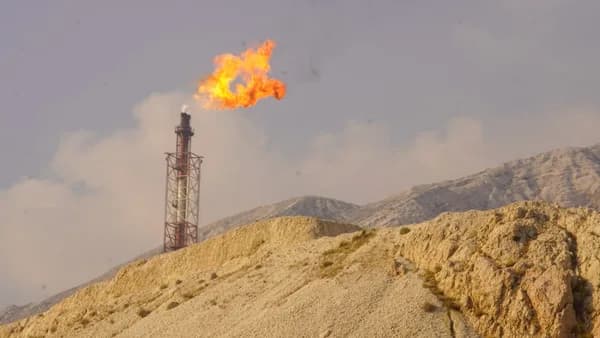
Ukraine isn’t just harassing Russian supply lines; it’s rewriting the playbook for modern warfare by targeting oil infrastructure deep inside Russian territory. The recent wave of drone strikes against refineries and depots marks a deliberate pivot from traditional battlefield maneuvers to asymmetric attacks on critical assets, as CryptoBriefing reports. This isn’t about attrition in the trenches—it's about choking the fuel that drives Russia’s war machine.
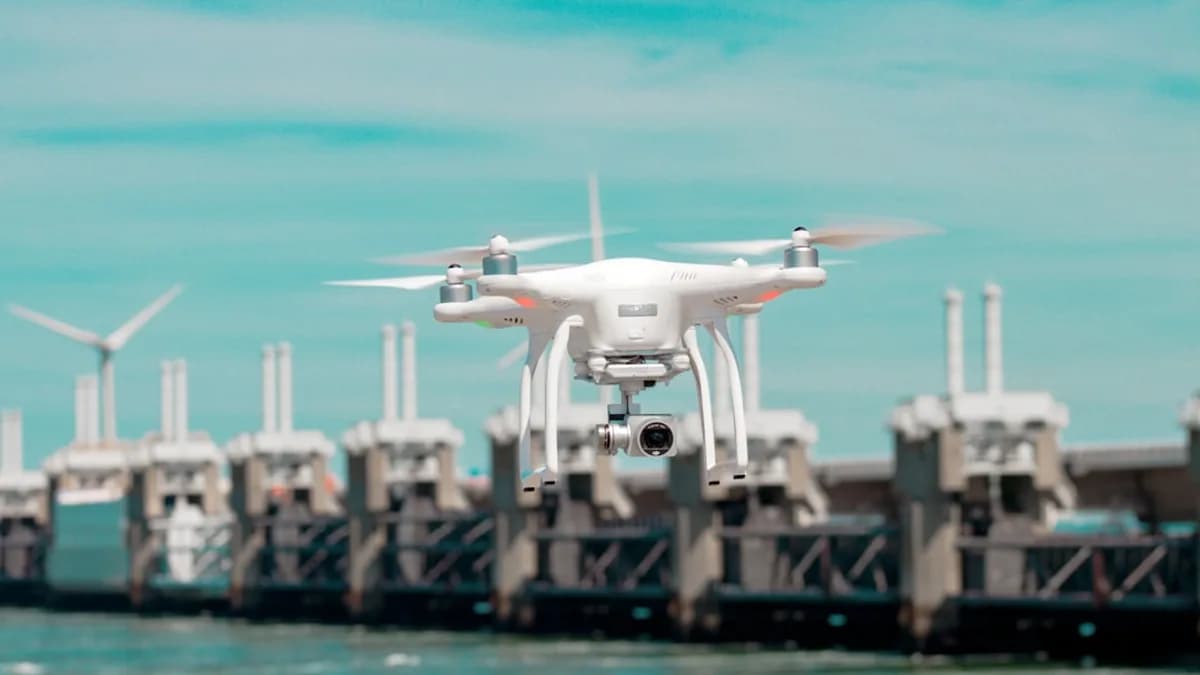
Precision-strike drones, developed and deployed by Ukraine, have hit targets hundreds of kilometers from the front lines—Krasnodar, Rostov, and even as far as Tatarstan. Each successful strike demonstrates leaps in navigation, payload delivery, and stealth. Ukrainian engineers have repurposed commercial drone tech, integrating AI-aided targeting and satellite guidance, enabling attacks that evade Russian air defenses. The shift is stark: instead of risking expensive jets or soldiers, Ukraine is wielding swarms of relatively cheap, expendable drones to create outsized disruption.
By focusing on oil facilities, Ukraine is exploiting a vulnerability that Russia can’t easily patch. Unlike armored columns or fixed artillery, refineries and pipelines are sprawling, flammable, and difficult to defend. It’s a form of economic warfare that fo
Why It Matters
- Ukraine's use of drones to strike Russian oil facilities highlights a new era of asymmetric warfare tactics.
- Targeting critical infrastructure disrupts Russia’s fuel supply and hampers its military operations without direct frontline engagement.
- Advances in drone technology show how affordable, AI-powered tools can reshape strategic outcomes in modern conflicts.