Introduction: Overview of U.S. Naval Operations Against Iran in the Indian Ocean
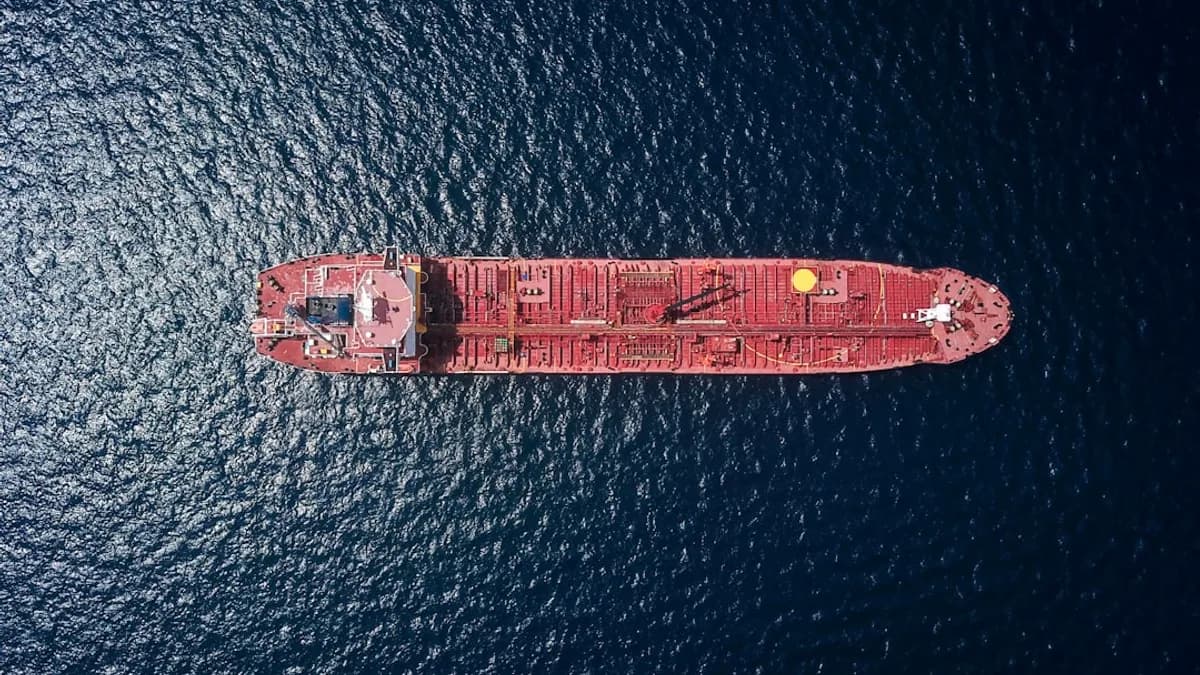
U.S. forces boarded and detained the Iran-linked oil tanker M/T Tifani in the Indian Ocean, marking the first time such an operation has moved beyond the Persian Gulf [Source: Google News]. This action comes as tensions between the U.S. and Iran are rising and peace talks hang by a thread. The Pentagon says the operation was part of efforts to enforce sanctions and stop illegal oil shipments. By acting in the Indian Ocean, the U.S. is sending a message: its reach is growing, and Iran’s oil exports are under more pressure. This move is not just about one ship; it could change the way both sides act at sea. With talks for a ceasefire or a deal already strained, the boarding of the Tifani makes the road to peace even bumpier.
Details of the Tanker Capture: What Happened and Why It Matters
U.S. troops stopped and boarded the M/T Tifani while it was carrying oil believed to be from Iran. The ship was seized in the Indian Ocean, far from the usual hotspots in the Persian Gulf [Source: Google News]. The Pentagon says this was a clear effort to enforce sanctions against Iran’s oil trade, which has been under U.S. restrictions for years. Officials claim the Tifani was carrying oil in violation of these rules and that the boarding followed legal channels.
The operation looked more like a high-seas police action than a battle. U.S. forces went aboard, detained the ship, and checked its cargo. The ship was linked to Iranian interests, and its oil cargo was flagged for sanctions. The Pentagon argued that the Tifani was operating under false documents, trying to hide the origin of the oil. They said this justified stopping and detaining the vessel. Iran, on the other hand, called the seizure illegal and warned it could respond.
This event matters for several reasons. First, it shows the U.S. is willing to chase Iran-linked ships outside its usual patrol zones, widening the scope of its operations. Second, it puts Iranian oil exports in a tough spot, as ships now face risk even in the Indian Ocean. Third, it sets a legal and political precedent. If the U.S. can stop tankers this far from home, others might try to do the same. For shipping companies, insurance rates could go up, and routes may change. For Iran, every captured ship means less money and more headaches.
Geopolitical Implications: How the Indian Ocean Operation Affects U.S.-Iran Relations
Expanding U.S. naval operations into the Indian Ocean marks a shift in strategy. Before, most actions happened in the Persian Gulf or the Strait of Hormuz. Now, the U.S. is showing it can project power well beyond those waters. This signals to Iran—and to the world—that American forces are watching, and that oil sanctions will be enforced wherever Iranian ships sail.
This move could make diplomatic efforts harder. Talks to ease tensions or reach a ceasefire were already fragile. Seizing a tanker in the Indian Ocean adds another layer of mistrust. Iran sees the operation as aggressive and illegal, while the U.S. calls it necessary. Each side is digging in. Iran may now look for ways to retaliate. This could include threats to U.S. ships, cyber attacks, or even moves against regional allies. The risk is that every action leads to a reaction, making peace talks harder to restart.
History shows these kinds of moves can change the balance at sea. In the 1980s, when tankers were attacked in the Gulf, the U.S. launched Operation Earnest Will to protect ships. That led to more clashes, not fewer. Today, the stakes are higher. Iran’s oil exports are a lifeline for its economy. The U.S. wants to squeeze that lifeline, but doing so in the Indian Ocean raises the risk of spreading conflict. Other countries watch closely—India, Pakistan, and even Russia care about these waters. If the U.S. keeps up these actions, it could draw in more players and widen the crisis.
For Iran, losing a tanker means losing money and face. It also means having to rethink how it moves oil. For the U.S., each successful operation boosts its enforcement power. But the cost is rising tension, more risks for sailors, and the chance that talks will break down. The gap between the two sides is growing, and the Indian Ocean is now a stage for new drama.
Broader Regional Security Context: The Indian Ocean’s Growing Role in U.S.-Iran Tensions
The Indian Ocean is a busy highway for oil and trade. Hundreds of tankers cross these waters every week, moving oil from the Middle East to Asia and beyond. By operating here, the U.S. is tapping into a global lifeline. The region is not just about Iran and the U.S.—it is key for India, China, Saudi Arabia, and others. If tensions rise, everyone feels it.
This operation fits into a bigger picture of U.S. efforts to enforce sanctions and counter Iranian influence. In the past, Iran used the Persian Gulf for oil shipments. Now, it tries to send tankers through the Indian Ocean, hoping to avoid U.S. patrols. The Tifani’s capture shows that the U.S. is closing that loophole. It is also a warning to other Iranian-linked ships: no route is safe.
For regional allies like Saudi Arabia and the United Arab Emirates, this action may be seen as a positive step. They want Iran’s oil trade curbed. But for shipping companies and global energy markets, it’s a headache. Insurance costs for tankers may rise. Shippers may look for new routes, which could be longer and more expensive. If more tankers are stopped, oil prices could jump, affecting everything from gas stations to airlines.
The Indian Ocean is now a hot spot. It is not just a place for trade—it is a stage for power plays. The U.S. wants to show strength, Iran wants to keep its oil flowing, and other countries want stability. Every move here sends ripples across the world.
Analysis of Peace Prospects: Challenges for U.S.-Iran Negotiations Amid Military Actions
Military actions like the capture of the Tifani make diplomacy much harder. When one side boards a ship, the other side feels threatened. Trust takes a hit. Talks that were already slow may stall or stop. Iran now sees the U.S. as not just a negotiator but as an enforcer, willing to use force to get its way.
The gap between the two sides is widening. Both have reasons to stand firm. The U.S. wants Iran to follow sanctions and stop illegal oil shipments. Iran wants to keep its economy running and sees oil exports as vital. Every military move makes it harder to find common ground.
Peace talks were already shaky. Recent months saw slow progress, with both sides blaming each other for delays. Now, with the Tifani seized, Iran may walk away from talks or demand concessions. The U.S. may feel emboldened, but risks pushing Iran to take more drastic steps. The chance of a quick deal is shrinking.
There are ways to de-escalate. International mediators like the United Nations or European countries could step in. They might help both sides find a middle path—maybe a deal to release the ship in exchange for talks, or a pause in such operations to let diplomats work. History shows that when things get tense at sea, back-channel talks can help. In the past, prisoner swaps or oil deals eased tensions.
But right now, the horizon looks stormy. Each side wants to show strength, and trust is low. The risk is that one more incident—another ship seized, or a threat made—could tip talks into crisis. For those watching, the key question is whether leaders on both sides will choose dialogue over more actions at sea.
Conclusion: Navigating the Complexities of U.S.-Iran Relations in a Volatile Maritime Environment
The capture of the Iran-linked tanker Tifani in the Indian Ocean shows how U.S.-Iran tensions are spreading beyond old boundaries [Source: Google News]. It’s not just about one ship—it’s about power, sanctions, and the struggle for control of oil routes. Military actions are making talks harder, and the gap between the two sides is growing. As both countries weigh their next moves, the Indian Ocean could see more drama. For businesses, diplomats, and sailors, the message is clear: watch these waters closely. The next few weeks will show whether leaders can calm things down, or whether new risks are just beginning.
Why It Matters
- The U.S. has expanded its naval operations against Iran into the Indian Ocean, signaling broader enforcement of sanctions.
- Seizing the Iran-linked tanker raises tensions and could impact ongoing peace talks between the U.S. and Iran.
- The action demonstrates the U.S.'s commitment to curbing illegal oil shipments, affecting global oil trade and regional stability.