Introduction to the Latest Developments in the Iran Strait of Hormuz Conflict
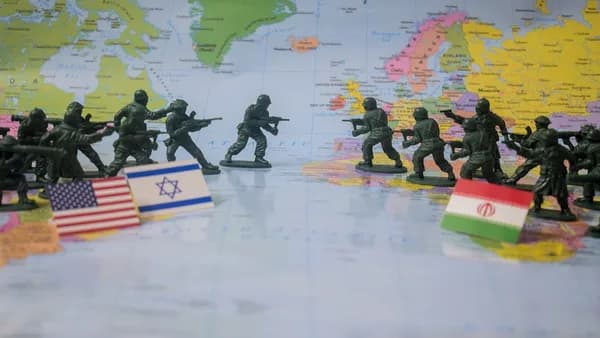
Ships in the Strait of Hormuz were attacked just hours after U.S. President Trump said the Iran ceasefire would continue. Peace talks between the U.S. and Iran are stuck, with both sides blaming each other for slow progress. The Strait of Hormuz is a narrow waterway, but it matters a lot. Almost 20% of the world’s oil passes through it every day. If conflict grows here, oil prices could surge and shipping routes could be blocked. After the attacks, leaders are worried. They fear the fighting could start again, even though the ceasefire was extended [Source: Google News]. The future of talks is unclear, and countries around the world are watching closely.
Detailed Account of the Recent Attacks on Vessels in the Strait of Hormuz
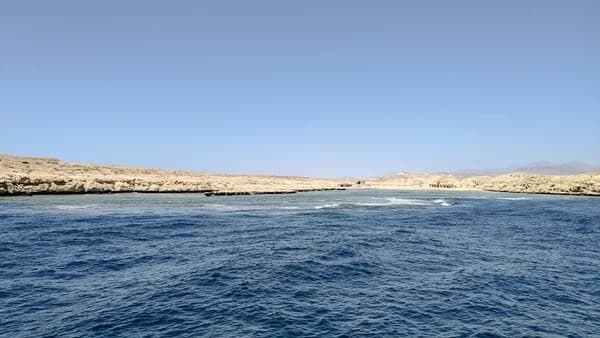
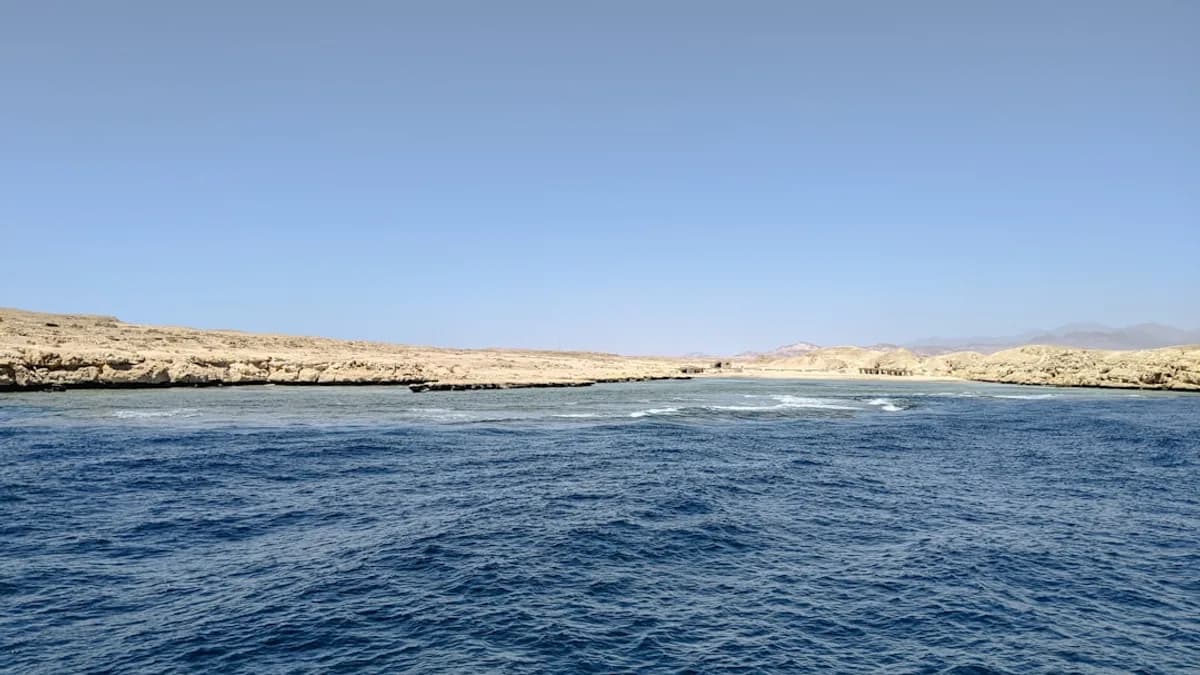
Three ships were hit by gunfire in the Strait of Hormuz, according to the UK and U.S. officials [Source: Google News]. The attacks happened early Wednesday morning, close to the mouth of the strait, where the Persian Gulf meets the open sea. The ships were commercial tankers, carrying oil and goods. One British vessel was hit on its hull, while another had its deck damaged. Despite the gunfire, all crews are safe, and no one was badly hurt. The ships managed to keep moving and did not sink.
The UK said the attacks were “unprovoked and dangerous.” They sent navy patrols to the area to protect ships going in and out. The U.S. Navy also stepped up its presence, warning that any more attacks would get a “strong response.” Ship owners are now asking for more security, and some have started to reroute their vessels to avoid the strait.
Experts say these attacks could be a warning. Iran may be sending a message that it can disrupt oil flows if it does not get what it wants in talks. Others think it could be local groups acting out, since the region is tense and full of rival factions. The timing is no accident. The attacks came just after Trump said the ceasefire would stay in place, showing how fragile the peace really is.
Analysis of Trump’s Decision to Extend the Iran Ceasefire Amid Escalating Tensions
President Trump first called for a ceasefire two weeks ago, after threats of military strikes between the U.S. and Iran. The deal was simple: both sides agreed to stop attacks, and talks would start on ending the wider conflict. But the details were never fully worked out. Iran wanted sanctions eased, while the U.S. demanded proof that Iran would stop supporting armed groups in the region.
On Tuesday, Trump said the ceasefire would last longer. He said, “We need more time for talks. I want peace, not war.” His team said keeping the ceasefire would help save lives and give diplomats a chance to work [Source: Google News]. But not everyone agrees. The attacks on ships show that the ceasefire is shaky. Some U.S. lawmakers fear that extending it without real progress just gives Iran more time to regroup. They say Iran is using the break to plan new moves and test the world’s patience.
The blockade of the strait is still on, and Iranian forces are still in the area. The contradiction is clear: The ceasefire is supposed to stop violence, but ships are still getting attacked. This puts Trump’s foreign policy in a tough spot. If he pushes peace but violence goes on, he risks looking weak. If he responds with force, he could make the crisis worse.
This move also affects U.S. allies. Countries like Saudi Arabia and Israel want the U.S. to act tough. Europe prefers talks. Trump’s extension of the ceasefire is a gamble. He hopes Iran will come to the table, but he risks more attacks if nothing changes. In the past, short ceasefires in the Middle East have often failed, like the Gaza ceasefire in 2021, which broke down after new attacks. The Iran ceasefire could face the same fate unless both sides make big changes.
Current Status and Challenges Facing Peace Talks Between the U.S. and Iran
Before the ship attacks, talks between the U.S. and Iran were slow but steady. Teams met in neutral countries like Switzerland. They discussed ending sanctions, freeing prisoners, and stopping support for armed groups. Talks almost made progress last week, when Iran agreed to let UN inspectors visit its nuclear sites. But after the attacks, trust fell apart.
Both sides now blame each other. U.S. officials say Iran is not serious about peace. Iran says the U.S. is still putting too much pressure on its leaders. After the ship attacks, Iran’s foreign minister said, “We did not attack any ships. We want talks, but the U.S. must respect us.” The U.S. State Department responded, “Iran must stop all violence before talks can move forward” [Source: Google News].
The attacks have made talks harder. Some experts say Iran may use violence to get better terms at the table. Others think hardliners in both countries want to block a deal. The risk now is that both sides dig in and talks stall for good. If peace talks fail, the region could see new fighting, and oil prices could rise fast.
Looking ahead, talks could restart if both sides agree to new steps. For example, the U.S. could ease some sanctions, or Iran could pull back its ships. But with trust low, every move will be watched closely by the world.
Broader Geopolitical Implications of the Strait of Hormuz Attacks and Ceasefire Extension
The Strait of Hormuz is not just important for Iran and the U.S. It is the lifeline for oil trade. Every day, over 21 million barrels of oil flow through it. If ships cannot get through, countries like China, India, Japan, and Europe could face shortages and higher prices. After the attacks, oil prices jumped by 4% in early trading [Source: Google News].
The UK, whose ship was attacked, called for an emergency meeting with allies. Saudi Arabia and other Gulf states are worried. They depend on the strait for their oil exports. If the fighting spreads, they could lose billions of dollars. Insurance prices for ships in the area have already doubled. Some companies are thinking about stopping all shipments until things calm down.
Global markets are reacting. Stock prices for oil companies went up, but airlines and shipping firms fell. Investors fear that if the strait closes, the world economy could slow down. The last time the strait was blocked, during the Iran-Iraq war in the 1980s, oil prices surged and shipping dropped by one-third.
The attacks also test international maritime security. The U.S., UK, and France have sent navy ships to patrol the area, but their numbers are small compared to the size of the strait. The United Nations called for calm and asked all countries to help protect ships. Some experts say the world needs a new plan, maybe a global patrol force, to keep the strait safe.
The risk of escalation is high. If attacks keep happening, the U.S. may send more troops or launch strikes. Iran could respond with more blockades or hit rival countries. The world is watching for any sign that the fighting will grow.
Conclusion: Outlook for Stability in the Strait of Hormuz and the Iran Conflict
The situation in the Strait of Hormuz is tense. Even with the ceasefire extended, attacks on ships show peace is fragile and could break at any moment. Leaders in the U.S., Iran, and countries around the world are calling for talks, but trust is low and the risks are high. For now, oil flows are still moving, but future attacks could change that fast.
The best hope is for both sides to restart talks and find ways to build trust. If they do not, the fighting could grow, hurting trade and putting lives at risk. The world needs to keep watching closely. Updates will come fast, and every new attack or move could change the path ahead. Stay tuned for more news as the situation unfolds [Source: Google News].
Why It Matters
- The Strait of Hormuz is crucial for global oil supply, and disruptions threaten world energy markets.
- Renewed attacks on ships raise fears of escalating conflict and instability in a key trade route.
- Stalled peace talks between the U.S. and Iran increase uncertainty and risk for international shipping and diplomacy.