Introduction: Understanding Los Angeles’ Shift from Car-Centric to Underground Transit
Los Angeles is finally building a real subway system. For decades, LA was famous for its cars and freeways. People drove everywhere, and traffic jams became part of daily life. But LA wasn’t always like this. In the early 1900s, the city had one of the best rail systems in the world. Trolleys and trains zipped people across neighborhoods, connecting communities from downtown to the beaches. Then, after World War II, trains disappeared as freeways took over.
Now, things are changing. Over the last thirty years, LA started rebuilding rail lines and adding new subway routes. This May, the city reached a big milestone—another underground line opened, marking a new chapter in how Angelenos get around [Source: MIT Technology Review]. The shift isn’t just about convenience. It’s about making LA cleaner, more connected, and ready for the future.
Step 1: Exploring the Current State of Los Angeles’ Underground Transit System
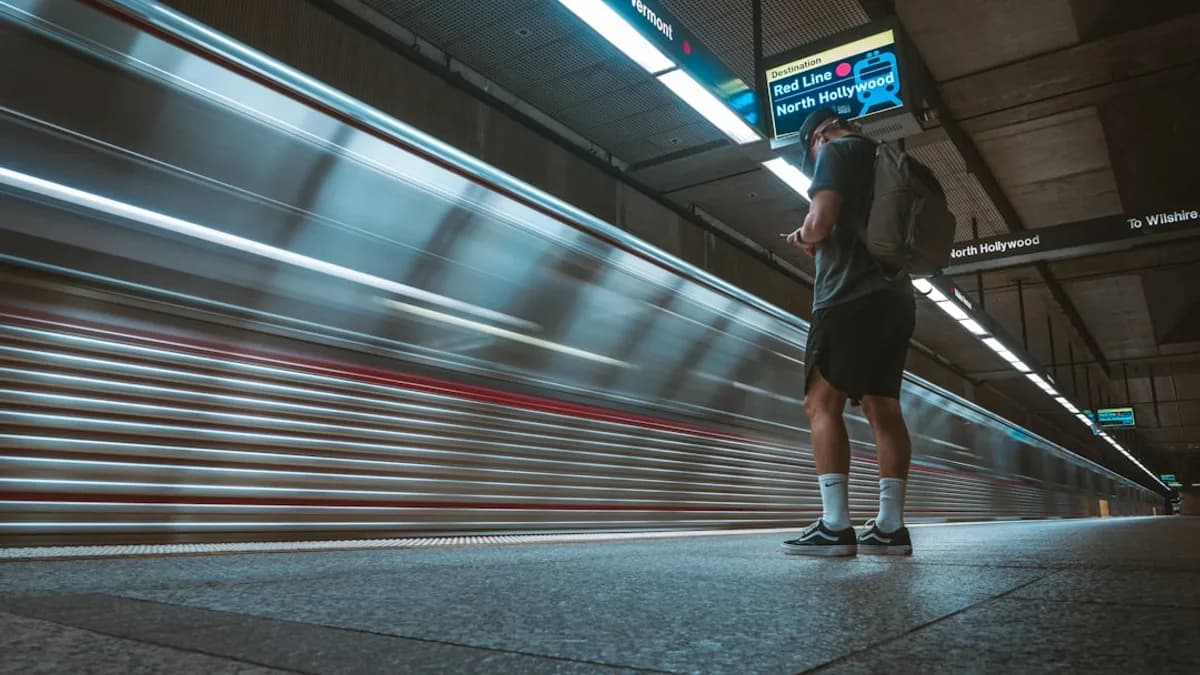
Today, Los Angeles has several subway lines and trolley routes. The Metro Rail includes the Red Line, which runs underground from North Hollywood to downtown. The Purple Line stretches to Koreatown and will soon reach Westwood. Above ground, you’ll find the Gold, Blue, Expo, and Green Lines, which act more like trolleys but link to subway stations.
Big projects are underway. The Purple Line Extension is digging tunnels under busy streets. By 2027, it will reach UCLA, making it easier for students and workers to skip traffic. The Regional Connector, finished in 2023, lets riders switch lines without extra stops in downtown. Another project, the Crenshaw/LAX Line, connects South LA to the airport, helping travelers leave their cars behind.
These rail lines work with LA’s buses, bikes, and rideshares. Metro stations have bike racks and bus stops nearby. You can hop from train to bus or rent a scooter for the last mile. Still, LA faces challenges. Trains don’t reach every neighborhood yet. Some stations feel unsafe at night. And traffic jams can still slow down buses above ground. But the system keeps growing, with more tunnels planned every year [Source: MIT Technology Review].
Step 2: Planning Your Commute Using Los Angeles’ Expanding Subway and Trolley Network
Getting around LA with the subway and trolley is easier than you think. Start with Metro’s website or the Go Metro app. These tools show maps and real-time schedules. You can enter your start and end points, and the app will suggest the fastest routes.
Pick stations close to home or work. If you live near North Hollywood, the Red Line can get you downtown in about 25 minutes. Heading to Santa Monica? Try the Expo Line, which runs from USC to the beach. Combine trains with buses for tricky routes. Most Metro buses connect to rail stations, so you don’t need to drive or park.
For extra help, use Google Maps or Transit App. These show delays, train arrivals, and walking directions. If you don’t want to wait, check the Metro app for train frequency—some lines run every 10 minutes during rush hour.
LA’s transit works well with bikes and rideshares. Metro lets you bring bikes on trains, and many stations have bike-share docks. Lyft and Uber offer “last mile” rides from stations to your destination. If you plan ahead, you can save time and skip traffic.
Step 3: Understanding the Benefits of Going Underground in Los Angeles
Taking the subway instead of driving helps LA’s air stay cleaner. Trains use electricity, so they release fewer greenhouse gases than cars stuck in traffic. Metro estimates that every mile on the train saves over a pound of carbon dioxide compared to driving [Source: MIT Technology Review].
Riding underground can save you money. Monthly Metro passes cost much less than gas, parking, and car repairs. Commuters often get to work faster, especially during rush hour, when freeways crawl. More people riding trains also means fewer cars on the street. This cuts traffic jams and makes roads safer.
Public transit builds stronger communities. People from different neighborhoods meet and share rides. More trains mean more jobs for builders, operators, and engineers. Cities with good transit systems—like New York and London—are often more lively and walkable.
Step 4: How Residents and Visitors Can Support and Advocate for Continued Transit Expansion
You can help LA’s transit system grow. Start by following Metro’s news updates and attending public meetings. City planners often ask for feedback before building new lines. Speak up in community forums. Share your ideas with neighbors and city officials.
Support transit-friendly policies. Vote for measures that fund new rail projects or improve station safety. Tell your friends about the benefits of riding the subway. Choose trains over cars when possible. If you’re part of a local group, ask them to push for more transit options in your area.
Encourage others to use sustainable transportation. Try biking to the station or carpooling to work. The more people ride trains, the more the city invests in transit.
Analysis: The Long-Term Implications of Los Angeles’ Underground Transit Revival
LA’s subway system could change how the city looks and feels. As new lines open, apartments and offices cluster near stations. This makes neighborhoods more walkable and lively. People can live closer to work and shops, instead of spending hours in traffic.
If more Angelenos ride trains, the city might see fewer cars on the road. That means less pollution and better air. LA could cut its carbon emissions and become a model for other big cities fighting climate change [Source: MIT Technology Review]. Still, building subways is expensive. Tunnels cost billions and sometimes face delays from earthquakes or old pipes.
Public support is key. Some residents worry about noise, safety, or losing parking. Others want more lines in their neighborhoods. LA must keep funding projects and making trains safe and clean.
Other cities show what’s possible. New York built its subway over a century ago, and millions ride every day. London’s Tube helped the city grow beyond its center. Seoul and Tokyo have fast, reliable trains that connect sprawling neighborhoods. LA’s challenge is to catch up—and maybe even leap ahead.
Conclusion: Embracing the Future of Transportation in Los Angeles
LA’s growing subway network is changing how people move. You can use trains to beat traffic, save money, and help the city stay clean. Support new projects and speak up for more transit in your neighborhood. Every ride counts. The future of LA depends on how we travel—and going underground is a smart step forward.
Why It Matters
- Expanding underground transit in Los Angeles aims to reduce traffic congestion and pollution.
- New subway lines improve access for residents, students, and travelers across the city.
- Investing in rail infrastructure signals a shift toward sustainable and connected urban mobility.