How the US Naval Blockade Transforms Geopolitical Dynamics in the Strait of Hormuz
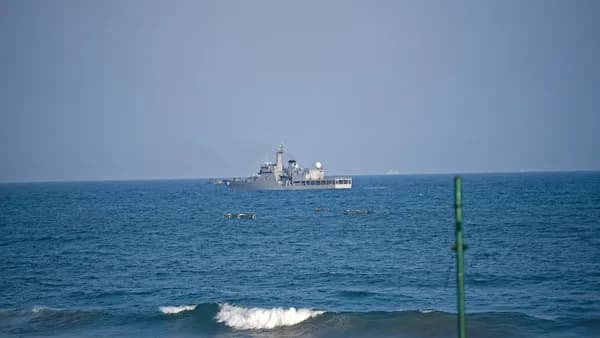
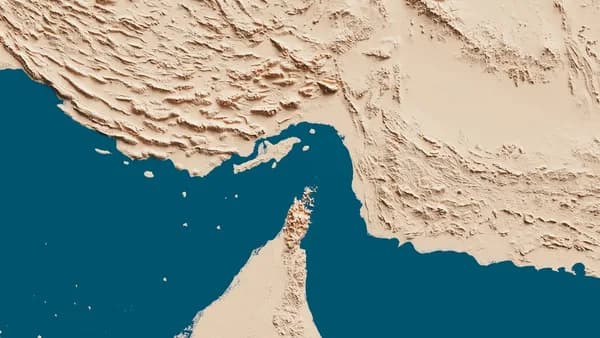
A US naval blockade in the Strait of Hormuz immediately raises the stakes for every nation with interests in the region. Few maritime chokepoints matter more: the Strait channels a significant share of global oil and gas shipments. Any disruption here is a direct challenge to the balance of power between the US, Iran, and neighboring states. According to CryptoBriefing, this blockade is already fueling heightened geopolitical tensions across the region.
The act of physically restricting ship movement signals a hardening of US policy and reduces space for ambiguity. It also forces regional powers to recalibrate. Iran, boxed in on its own doorstep, faces pressure to respond either diplomatically or otherwise. Other Gulf states, reliant on stable energy flows and external security guarantees, are drawn deeper into the standoff. The result: a more brittle and unpredictable Persian Gulf environment.
Quantifying the Blockade’s Impact: Disruptions in Global Energy Supply and Market Volatility
The source highlights that the blockade disrupts global energy markets, but does not provide specific data on oil and gas flows or price movements. That lack of numbers itself is telling—when the main artery for Persian Gulf exports is squeezed, volatility follows. Even the threat of a prolonged interruption can rattle markets and inject uncertainty into energy supply chains.
MLXIO analysis: While the precise scale of impact remains unreported, the Strait of Hormuz typically handles a significant percentage of the world’s seaborne oil. Any traffic halt here forces producers, shippers, and buyers to scramble for alternatives. The knock-on effects ripple far beyond the Gulf, hitting energy-importing economies and commodity traders. The absence of concrete flow or price data leaves the true economic shockwave unmeasured, but the potential for market turmoil is clear.
Diverse Stakeholder Perspectives on the Strait of Hormuz Blockade and Its Consequences
CryptoBriefing directly states the blockade "diminishes prospects for a swift diplomatic resolution." This points to hardening positions among stakeholders, but the article does not quote specific actors or lay out their explicit statements.
MLXIO analysis: The US likely sees the blockade as a tool to exert pressure and signal resolve. Iran, facing both a material threat and a diplomatic snub, has fewer options for de-escalation. Energy consumers—especially those dependent on Gulf oil—face increased uncertainty. Shipping companies must navigate heightened risks and the possibility of rerouted or halted voyages. International organizations, while not directly referenced, are implicitly constrained by the reduced chances for diplomatic breakthroughs. The overall picture is one of rising friction and shrinking pathways to compromise.
Historical Parallels: Comparing the Current Blockade to Previous Strait of Hormuz Crises
The source does not outline previous blockades or similar crises, so specifics on historical comparison are limited. However, the pattern is familiar: when traffic through the Strait of Hormuz is disrupted, global anxieties spike and diplomatic channels strain under pressure.
MLXIO inference: Past incidents in this region have demonstrated how quickly local flare-ups can escalate into broader standoffs. The current US naval blockade, by diminishing the likelihood of quick resolutions, fits this established pattern of tension and uncertainty. What stands out this time is the explicit mention of reduced prospects for diplomacy, underscoring the seriousness of the current deadlock.
Implications of the Blockade for Global Energy Security and International Diplomacy
The blockade delivers a body blow to established energy security frameworks. With the main conduit for Gulf oil in question, supply chains become more fragile and fallback options more expensive. CryptoBriefing’s assessment that diplomatic prospects are receding means that the usual tools—negotiations, mediators, quick fixes—are less likely to work. That hardens the risk profile for every country and company with exposure to Gulf energy flows.
MLXIO interpretation: In this environment, energy importers and exporters alike must reconsider their strategies. Alternative routes and suppliers may become more attractive, but none can fully replace the volumes and convenience of the Hormuz passage. Diplomacy, already on the defensive, may be sidelined by more assertive or unilateral moves.
Forecasting the Future: Potential Scenarios and Long-Term Outcomes of the Strait of Hormuz Blockade
CryptoBriefing’s report is blunt: the blockade raises tensions, disrupts energy markets, and makes a quick diplomatic fix unlikely. What happens next? Several scenarios emerge, but the source does not commit to any particular outcome.
MLXIO analysis: Escalation remains a serious risk, especially if the blockade persists or regional actors miscalculate. On the other hand, prolonged stalemate could normalize higher energy prices and force enduring shifts in supply chains. Negotiation is still possible, but the odds are lower given the current hardening of positions. Policymakers, businesses, and investors should prepare for extended uncertainty and limited diplomatic off-ramps.
What We Know, What Is Still Unclear, and What To Watch
What we know: The US naval blockade has already disrupted Strait of Hormuz traffic, heightened regional tensions, rattled global energy markets, and made diplomacy harder, as reported by CryptoBriefing.
What is still unclear: The article does not provide specifics on the scale of the traffic disruption, price impacts, stakeholder statements, or timelines for resolution.
What to watch: Pay close attention to any concrete diplomatic initiatives, shifts in shipping patterns, or public statements from US, Iranian, or Gulf state officials. Market volatility and new security incidents—if they occur—will be critical signals of whether this blockade hardens into a protracted crisis or yields to negotiation. The next week could reveal whether the current diplomatic freeze is temporary—or the start of a longer realignment in Gulf security.
Impact Analysis
- The US naval blockade in the Strait of Hormuz threatens global energy supply channels crucial for oil and gas exports.
- Rising regional tensions may destabilize relations between the US, Iran, and Gulf states, increasing the risk of conflict.
- Market volatility and uncertainty can impact economies worldwide, especially energy-importing nations and commodity traders.