Iran’s Claimed Strikes on US Destroyers Raise the Temperature in the Strait of Hormuz
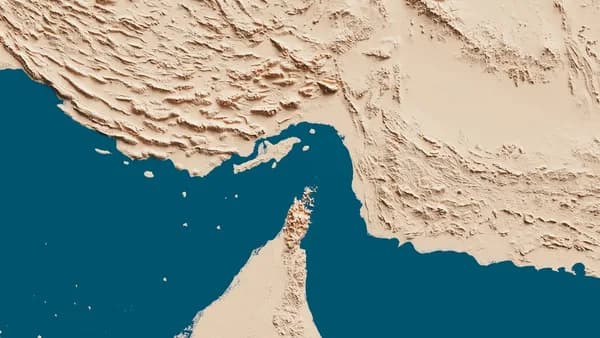
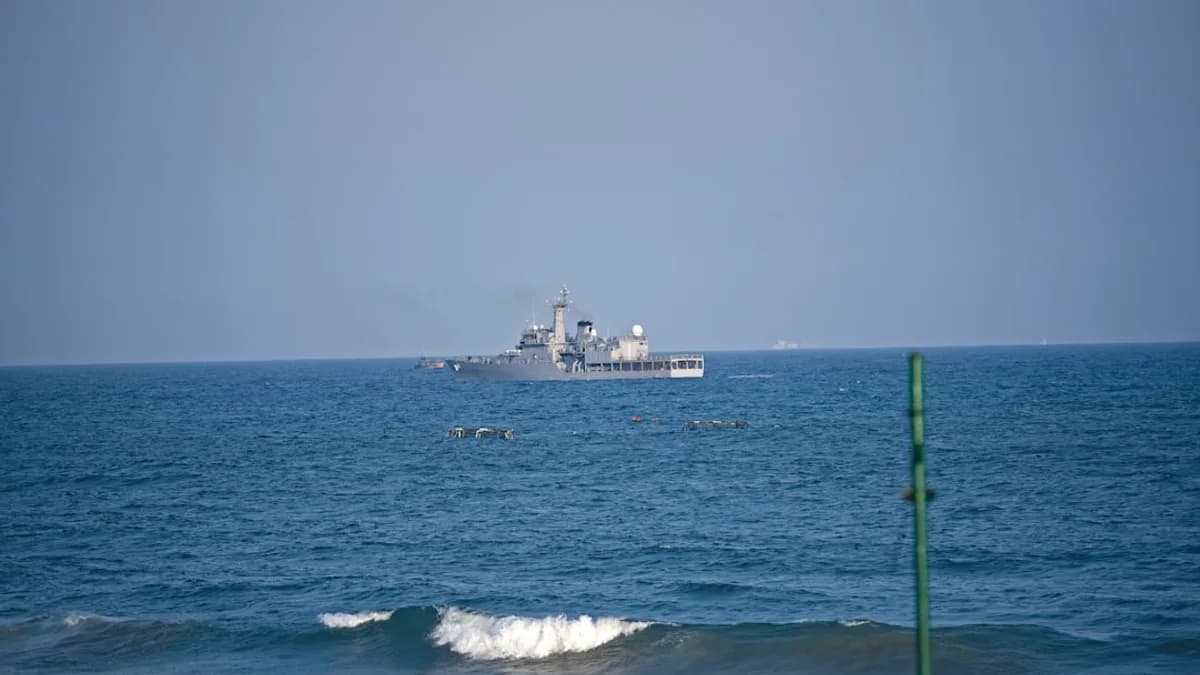
Iran claims to have struck US destroyers in the Strait of Hormuz—a move that, if verified, would mark a dangerous escalation in one of the world’s most strategically sensitive waterways. This claim comes as tensions spike, and the region sits on edge, with the risk of broader military conflict rising. The stakes are clear: the Strait of Hormuz is a critical maritime chokepoint, and any instability here immediately ripples through global markets and security calculus. This is not just another headline—it’s a direct challenge to the US presence in the Gulf and a signal that regional flashpoints are far from cooling down, according to CryptoBriefing.
What We Know: Claims, Not Confirmed Attacks
The only concrete fact is Iran’s claim about striking US naval vessels. At this stage, the source provides no confirmation from US officials, no independent verification, and no details about damage, casualties, or tactical outcomes. There are also no specifics on the weapons used, the timing of the alleged attack, or the US military’s response. The focus is on how these claims, even absent proof, escalate the risk environment in the Strait. The lack of detail leaves both governments—and markets— guessing about what has actually happened.
Why It Matters: The Strait as a Flashpoint
The Strait of Hormuz stands out as one of the world’s most vital maritime passages, not just for oil but for the geopolitical weight it carries. Escalating tensions here have an outsize impact: even rumors of attacks or blockades can rattle energy markets and prompt diplomatic scramble. The current claims, whether or not substantiated, are enough to drive up the perceived risk of broader confrontation, heightening the chance of miscalculation between military forces on both sides. The source explicitly warns that an escalation could “destabilize global oil markets and increase the likelihood of broader military conflicts.”
What Remains Unclear: The Data Gap
There’s a massive information gap. The source does not supply any data on actual military incidents, past or present, nor does it quantify the frequency or scale of confrontations in the Strait. There are no statistics on oil flows, the number of naval vessels in the area, or direct economic impacts. Stakeholder perspectives—including US, Iranian, or third-party reactions—are not covered. In short, the facts on the ground are thin, and almost all numbers or historical comparisons remain out of reach.
Analysis: Why Claims Alone Move Markets
MLXIO interprets Iran’s announcement as a form of psychological or information warfare, intended to unsettle both the US and global audiences without requiring proof on the ground. In this region, perception is as potent as reality. The mere suggestion of attacks in such a sensitive area can trigger preemptive moves by militaries, insurers, and traders. When a state actor claims to have struck at the US Navy, it tests red lines and forces a response—even if only at the level of heightened alert or diplomatic protest.
What to Watch: Evidence, Escalation, or Walkback
Two things could shift the narrative. First, independent verification—statements from US officials, satellite imagery, or third-party shipping data—would clarify whether this was a real engagement or simply posturing. Second, watch for military or diplomatic follow-ups: increased US naval patrols, new security advisories, or direct talks. If Iran walks back its claims or the US downplays the event, the risk of immediate escalation drops. But if either side doubles down, the chances of a real clash—not just a war of words—grow sharply.
Bottom Line
The only facts on the table are Iran’s claim and the region’s well-known volatility. The threat of destabilizing global oil markets is real, even if the specific incident remains unverified. The situation is fluid, and without more data, any forecasts are speculative. The next few days will reveal whether this is a turning point or another round of brinkmanship in the Gulf.
The Stakes
- Iran’s claims increase the risk of military confrontation in a strategic global shipping lane.
- Even unconfirmed attacks in the Strait of Hormuz can disrupt energy markets and global trade.
- Heightened tensions raise the likelihood of diplomatic and military miscalculations between regional powers.