US and Iran Exchange Fire Near Hormuz on Day 70 of Conflict
U.S. and Iranian forces traded live fire near the Strait of Hormuz Wednesday, puncturing a tense ceasefire that has barely held for weeks. The clash erupted on Day 70 of the conflict, with both sides blaming each other for breaking the truce, according to Al Jazeera.
Iran’s Revolutionary Guard accused the U.S. Navy of launching what it called “unprovoked attacks” just outside Iranian territorial waters. Tehran claimed the U.S. move violated the fragile ceasefire brokered last month by Qatar and the EU, warning that “further violations will not go unanswered.” CENTCOM countered, stating its forces “responded to direct Iranian attacks” on U.S. patrols operating in international waters and describing the U.S. response as “measured and proportional.”
The firefight reportedly lasted less than an hour but forced nearby commercial shipping to reroute, as satellite data showed at least seven tankers diverting eastward. No casualties or vessel damage have been confirmed, but both militaries released video clips purporting to show the incident from their respective perspectives.
The standoff marks the most serious flare-up since the April 1 ceasefire, raising doubts about its durability. The Hormuz flashpoint comes as both sides accuse each other of covert sabotage and back-channel escalation in the Gulf.
Escalating Tensions Threaten Fragile Ceasefire in the Hormuz Strait
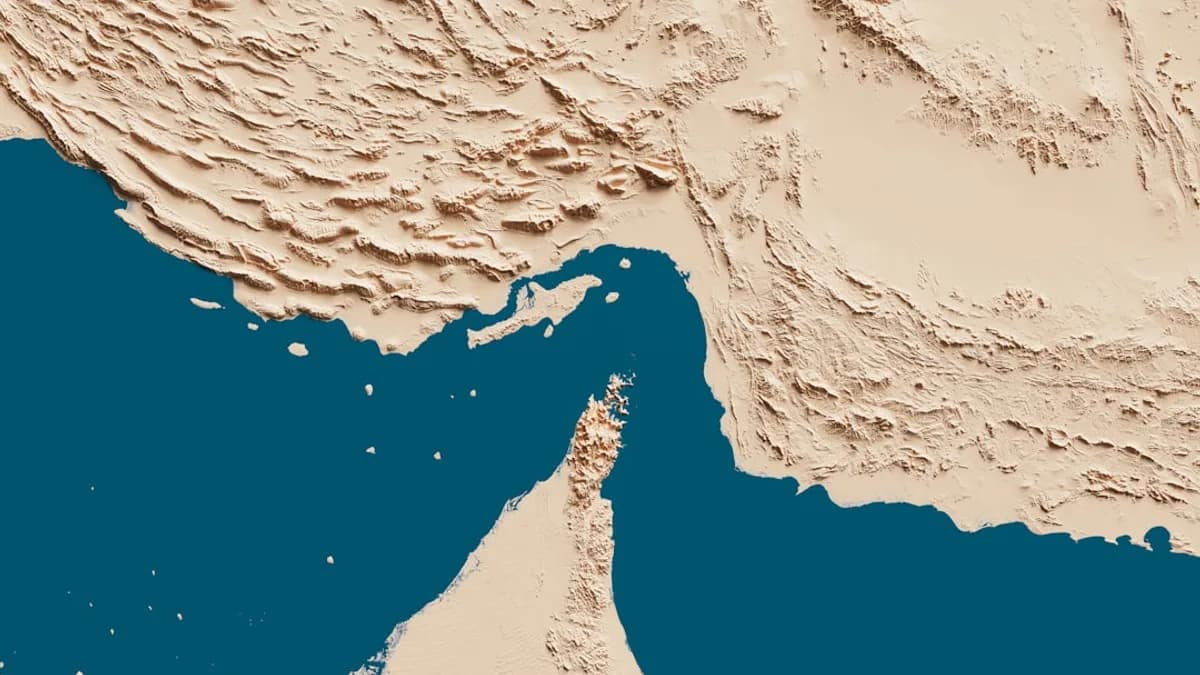
The Strait of Hormuz, barely 21 nautical miles wide at its narrowest point, channels nearly a fifth of global oil shipments—about 17 million barrels daily. Any military action here rattles markets and alarms energy strategists: even a short disruption can spike Brent crude prices and send insurers scrambling to reprice Gulf risk.
This latest firefight underscores just how brittle the current ceasefire remains. The U.S. and Iran agreed to halt direct hostilities last month after a punishing escalation that saw drone strikes, proxy militia attacks, and sabotage of oil infrastructure across the region. Yet, Wednesday’s clash exposes how quickly mistrust can spiral back into open confrontation, especially with both sides contesting the rules of engagement.
Tehran’s accusation of a U.S. breach plays directly to its domestic audience, where hardliners have criticized the government for appearing weak after recent maritime losses. Washington’s insistence that it only acted defensively signals to allies—especially Saudi Arabia and Israel—that it won’t tolerate Iranian harassment of shipping or U.S. assets.
Global stakeholders are watching nervously. The International Maritime Organization issued a security bulletin, warning shippers to “exercise maximum caution” in the Gulf. Oil futures jumped 2.8% in New York minutes after the incident, before settling lower as no immediate supply loss emerged. The European Union called for “restraint and urgent de-escalation,” while China, the largest importer of Gulf oil, demanded both powers “guarantee safe passage for commercial vessels.”
This is far from an isolated incident. In 2019, similar spikes in Hormuz tension saw insurance premiums for tankers surge 10-fold overnight, and a single drone downing sent crude prices up $2 per barrel in minutes. The latest exchange risks repeating that playbook, especially as the U.S. presidential campaign intensifies scrutiny of Gulf policy.
What to Expect Next: Monitoring the Conflict and Ceasefire Prospects
The next 48 hours will test whether the Hormuz ceasefire can survive or if both sides slide back toward escalation. U.S. forces have reportedly increased aerial surveillance and moved two destroyers closer to the strait. Iran, for its part, placed its coastal missile batteries on “heightened alert” and summoned the Swiss envoy, who represents U.S. interests in Tehran.
Diplomatic channels are already straining. European mediators are pushing for a new emergency hotline between U.S. and Iranian naval commanders—a measure that stalled in previous rounds of talks. The UN Security Council has scheduled a closed session for Thursday, but past efforts to enforce Gulf maritime security have foundered on U.S.-Russia and U.S.-China divisions.
Investors and analysts will watch for three immediate signals: any further rerouting of oil tankers, new proxy attacks by Iran-backed militias in Iraq or Yemen, or direct threats to close the strait—something Tehran has brandished in the past but never executed. Even the hint of a “closure” could send oil above $100 and prompt emergency releases from strategic reserves.
Longer term, the episode exposes the limits of Gulf diplomacy and the risk of accidental escalation. Neither Washington nor Tehran seems ready for all-out war, but both are locked in a cycle of provocation and reprisal that could upend regional security with little warning. The Hormuz flashpoint remains the world’s most volatile choke point—one miscalculation away from a crisis that will hit not just oil markets, but global shipping, insurance, and geopolitics.
Impact Analysis
- The firefight threatens to destabilize a fragile ceasefire in a key global oil transit route.
- Commercial shipping was forced to reroute, highlighting immediate risks to energy supply chains.
- Even brief disruptions in the Strait of Hormuz can trigger oil price spikes and insurance repricing worldwide.