Introduction: Understanding the Current US-Iran Dynamics
The latest round of US-Iran diplomatic talks has attracted global attention amid heightened uncertainty surrounding the Strait of Hormuz, a critical maritime chokepoint for international energy supplies. Both President Donald Trump and Iranian officials have cited “progress” in ongoing negotiations, yet the closure of the Strait remains unresolved, keeping tensions high in the region [Source: Source]. The Strait of Hormuz is not just a regional issue—it serves as a vital artery for the world’s oil flow, making any disruption a matter of international concern.
This article aims to provide readers with practical strategies to analyze and interpret the unfolding diplomatic events between the US and Iran. By understanding the dynamics at play and learning how to critically assess statements and developments, readers can better navigate the complex landscape of international negotiations, especially when uncertainty reigns.
How to Analyze Progress in Diplomatic Talks Amid Conflicting Statements
Diplomatic negotiations, especially those involving high-stakes actors like the US and Iran, are often marked by conflicting statements and ambiguity. To effectively analyze progress, it is crucial to look beyond headline declarations and focus on key indicators:
1. Track Substantive Developments: Progress in talks may not always culminate in a formal deal. Watch for incremental steps such as mutual concessions, confidence-building measures, or agreements on future meetings. For example, both sides citing “progress” despite the lack of a formal agreement signals ongoing engagement and potential movement toward de-escalation [Source: Source].
2. Evaluate Official Statements: Scrutinize the language used by US and Iranian officials. Statements from President Trump often emphasize strength and unwillingness to yield to “blackmail,” while Iran signals openness to dialogue but insists on its own terms [Source: Source]. Identifying shifts in tone—such as moving from threats to offers—can indicate evolving negotiation dynamics.
3. Understand Media Framing: Media outlets play a significant role in shaping public perception. Some may highlight positive developments, while others focus on setbacks or the risk of escalation. Recognize that coverage from Axios or BBC may differ in emphasis, potentially influencing how audiences interpret the talks [Source: Source].
4. Contextualize the Negotiations: Consider the broader context, such as domestic political pressures or regional security concerns, which may influence both the content and delivery of official statements.
By systematically tracking these indicators and critically assessing the narrative presented by both sides and the media, readers can gain a clearer picture of where diplomatic talks truly stand—even amid conflicting reports.
How to Assess the Strategic Importance of the Strait of Hormuz in the Crisis
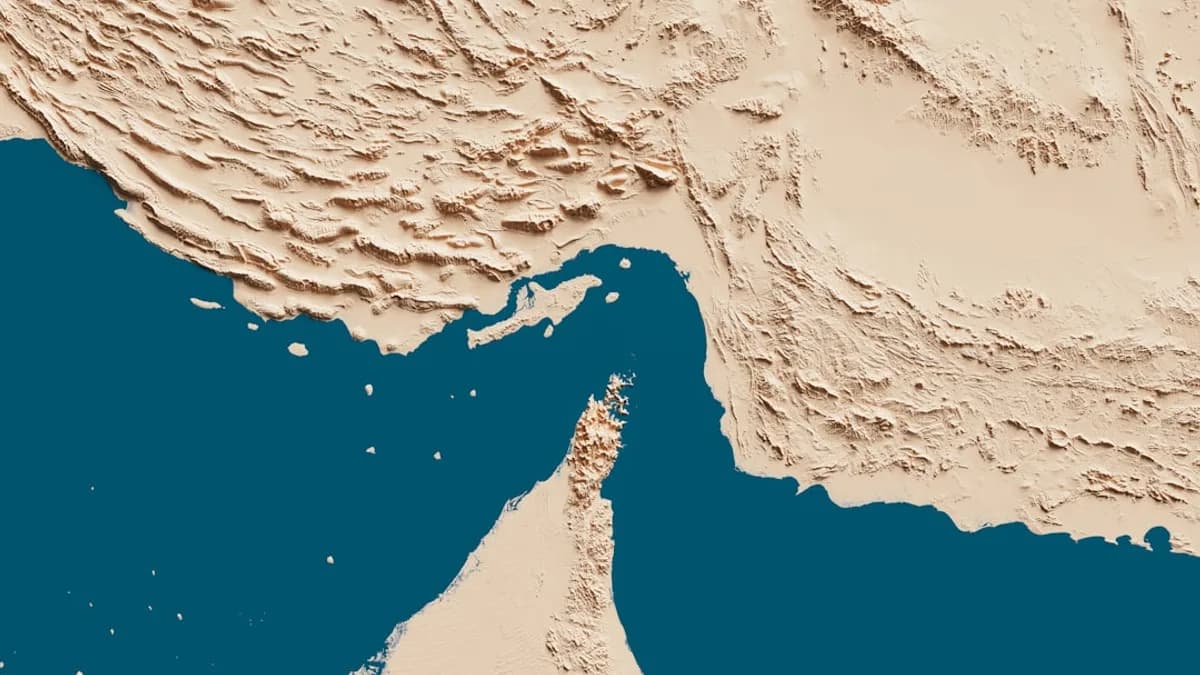
The Strait of Hormuz is a narrow waterway connecting the Persian Gulf to the Arabian Sea, through which nearly a third of the world’s seaborne oil passes. Its geopolitical significance cannot be understated:
1. Global Oil Supply: Any disruption in the Strait’s accessibility has immediate repercussions for international energy markets. The closure or restricted access—as reported in recent days—can drive up oil prices, threaten supply chains, and increase volatility in global financial markets [Source: Source].
2. Economic and Security Implications: The Strait’s strategic importance extends beyond oil. It is a focal point for regional security, with both US and Iranian military forces maintaining a presence. Control over the Strait serves as leverage in negotiations, with Iran frequently threatening to block passage as a bargaining tool [Source: Source].
3. Bargaining Power: The ability to influence traffic through the Strait gives Iran significant bargaining power. Conversely, US efforts to ensure free passage underscore its commitment to protecting global interests and its allies in the region. The ongoing closure complicates diplomatic efforts, as neither side wants to appear weak or concessionary.
4. Market Response: Analysts and businesses closely monitor developments in the Strait, using satellite tracking and shipping data to assess risks. Fluctuations in oil prices and insurance premiums for tankers are immediate indicators of the crisis’s impact.
Understanding the Strait’s role in the current talks is essential for evaluating the stakes and potential outcomes. Any agreement or escalation will likely hinge on the ability of both sides to secure their interests in this vital chokepoint.
How to Interpret the Political Positions and Rhetoric from Both Sides
Public statements and policies from President Trump and Iranian leaders are shaped by a mix of strategic objectives and domestic pressures:
1. Examining Statements: President Trump has convened high-profile meetings in response to the crisis, framing Iran’s actions as unacceptable “blackmail” and emphasizing that the US will not be coerced [Source: Source]. Iranian officials, meanwhile, insist on their right to defend national interests and resist external pressure, often signaling a willingness to negotiate but refusing to compromise on key demands.
2. Domestic Political Pressures: The US political landscape heavily influences negotiation tactics. Republican lawmakers have expressed support for Trump’s assertive stance, often embracing more extreme positions that limit flexibility in talks [Source: Source]. Similarly, Iranian leaders must balance nationalist sentiment with economic realities, making concessions difficult.
3. Use of Rhetoric: Both sides employ rhetoric as a negotiation tool. Statements designed to project strength or threaten escalation may be intended more for domestic audiences or leverage at the bargaining table than for actual policy shifts. Recognizing this tactic helps discern real movement from posturing.
4. Impact on Diplomacy: The intensity of rhetoric can both advance and hinder negotiations. Extreme positions may rally domestic support but complicate efforts to reach compromise. Understanding the interplay between public statements, policy proposals, and underlying motivations is key to interpreting where talks may lead.
By dissecting the political context and rhetorical strategies, readers can better anticipate how both sides might maneuver and what it could mean for the broader crisis.
How to Monitor and Respond to Developments in High-Stakes International Negotiations
In a rapidly evolving situation like the US-Iran talks, staying informed and prepared is vital for individuals, businesses, and governments:
1. Identify Reliable Sources: Track updates from reputable news organizations such as Reuters, BBC, and Axios, which offer fact-based reporting and real-time coverage [Source: Source]. Avoid relying solely on social media or partisan outlets, which may amplify rumors or unverified claims.
2. Watch Key Indicators: Beyond official statements, monitor tangible developments such as troop movements, changes in shipping traffic, oil price fluctuations, and government advisories. These can provide early warnings of escalation or de-escalation.
3. Contingency Planning: For businesses and governments with interests in the region—especially those dependent on energy supplies—developing contingency plans is essential. This includes diversifying supply chains, assessing insurance policies, and preparing for potential disruptions.
4. Avoid Misinformation and Panic: In high-stakes crises, misinformation can spread quickly. Cross-reference news from multiple sources, seek expert analysis, and refrain from making decisions based on unverified reports. Maintaining a calm, informed approach helps mitigate unnecessary anxiety and allows for rational responses.
5. Engage with Expert Commentary: Analysts and think tanks often provide deeper insights into negotiation dynamics and geopolitical risks. Following their commentary can supplement news coverage and enhance understanding.
By adopting these strategies, readers can effectively monitor ongoing developments, respond proactively to risks, and stay ahead of misinformation in complex international negotiations.
Conclusion: Navigating Uncertainty in Complex Geopolitical Conflicts
The US-Iran talks, set against the backdrop of the Strait of Hormuz crisis, demonstrate the complexity and unpredictability of high-stakes diplomatic negotiations. By learning how to analyze progress amid conflicting statements, assess the strategic importance of key locations, interpret political rhetoric, and monitor reliable indicators, readers can develop a nuanced perspective on events as they unfold [Source: Source].
Critical thinking and staying updated through trusted sources are essential for navigating uncertainty. The strategies outlined here not only apply to the current US-Iran situation but serve as valuable tools for understanding future diplomatic developments. In an era where global conflicts can impact markets, politics, and everyday life, informed and measured analysis remains the best path forward.