Introduction: Understanding Pope Leo XIV’s Historic Visit to Africa
Pope Leo XIV’s visit to Angola made headlines around the world. He spoke about forgiveness, unity, and the need to stand up to those who exploit others [Source: Google News]. This trip matters because it’s rare for a pope to visit Africa, and even rarer for one to speak so boldly about justice and colonial history. For decades, papal visits to Africa have focused on faith, peace, and helping those in need. But Pope Leo’s words stood out. He tackled tough topics head-on. Was this a moment where the Pope found his true voice in Africa, or did the world finally start to listen? The answer might change how we see the Catholic Church’s role in global debates.
Pope Leo XIV’s Key Messages During the Angola Visit
In Angola, Pope Leo XIV called for people to forgive and pray together. He said, “Jesus is with us when we forgive and pray together,” urging Angolans to build bridges and heal old wounds [Source: Vatican News]. Forgiveness and unity were his main themes. He told crowds that holding onto anger only hurts communities and slows progress.
But Pope Leo didn’t just talk about faith. He took aim at what he called “exploitation by the world’s authoritarians.” He warned that powerful leaders often use their strength to take advantage of weaker nations, especially in Africa. He said this needs to stop, and called for global justice [Source: Reuters]. His words pointed fingers at both present-day and historic abuses.
The Pope also spoke about colonialism—the period when European countries controlled much of Africa. He said the legacy of colonialism still shapes Angola today. Many families still struggle because of past wrongs, and the country faces challenges rooted in its history. Pope Leo asked people to remember this history, but also to work for a future that is fair and peaceful. His message was clear: faith cannot be separated from justice. He challenged both African leaders and the rest of the world to do better.
Historical Context: The Catholic Church’s Role in Africa and Colonial Legacy
The Catholic Church has been part of Africa’s story for hundreds of years. Missionaries first arrived in the 15th century, with Portugal leading the way. By the 1800s, the Church was deeply involved in education, health, and spreading Christian teachings. But its role during colonial times was complicated. Sometimes, the Church spoke out against injustice, like slave trading. Other times, it worked alongside colonial rulers.
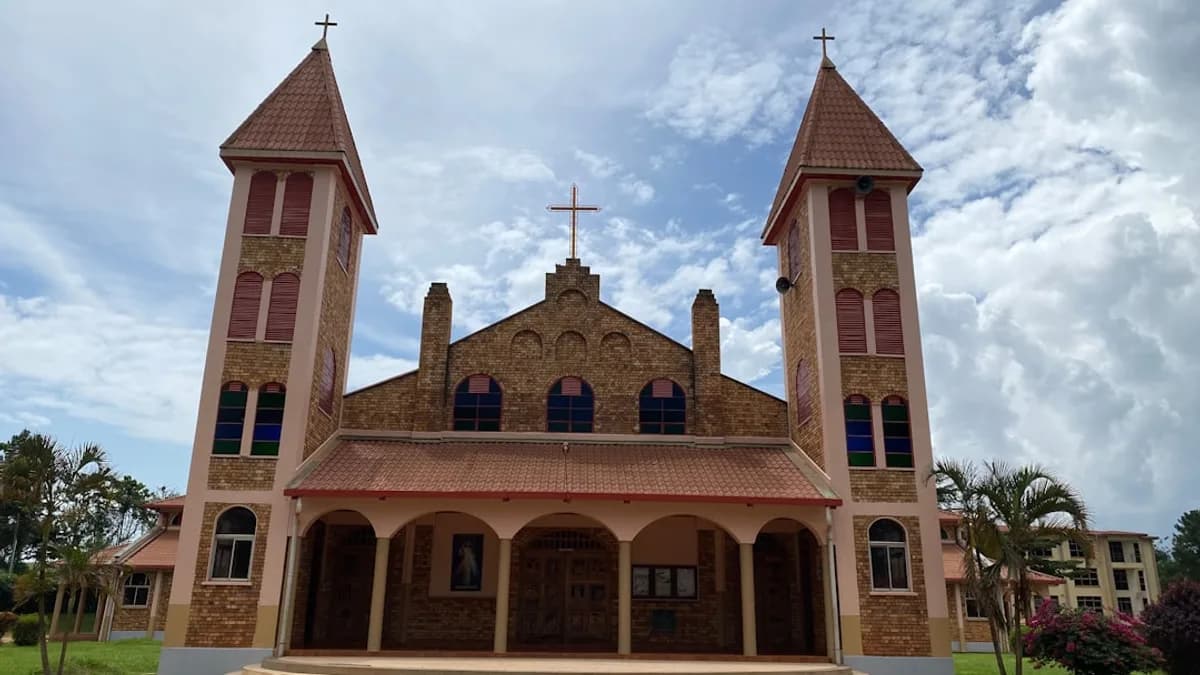
In Angola, Catholic missions helped shape society. Schools and hospitals often had church ties. But as colonial powers took control, the Church sometimes benefited from the system. After Angola’s independence in 1975, the Church shifted focus. It started helping communities rebuild and recover from war.
Colonialism changed Africa, leaving scars that still show. It broke up families, changed traditional ways, and brought new laws that favored outsiders. Today, people in Angola face poverty, inequality, and political tensions that can be traced back to colonial rule. Pope Leo’s visit shines a light on this history. He didn’t avoid the hard questions. Instead, he asked leaders to face the past and build a fairer future. His trip challenged the Church to be honest about its history, and to keep working for justice.
Global and Local Reactions to Pope Leo XIV’s Visit
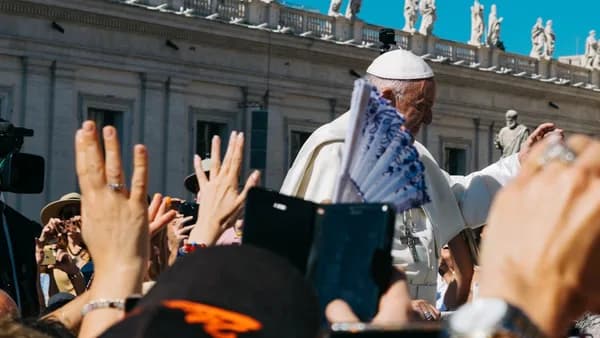
Pope Leo XIV received a warm welcome in Angola. Thousands came to listen, and many said they felt hopeful after his talks. Local families saw his visit as a sign that their country matters. Some waved banners saying, “We forgive, we pray, we unite.” For many Angolans, the Pope’s words about forgiveness and justice hit home.
But not everyone was as welcoming. Some political leaders, including the American president, were less impressed. According to The Washington Post, Angolans showed love for Pope Leo, but not for the president [Source: The Washington Post]. This difference shows how the Pope’s message of unity and justice can connect with everyday people, even when politicians disagree.
International media covered the Pope’s trip in detail. Some outlets focused on his strong stance against exploitation and colonialism. Others asked if the visit would really change anything for Angola. The split in opinions highlights a bigger question: does the Pope’s voice matter more in places where people feel forgotten, or is it just louder because the world finally pays attention?
The Pope’s visit sparked conversations about faith, politics, and history—not only in Angola, but everywhere. His words made people think about their own leaders, their own histories, and what it means to forgive and move forward.
Did Pope Leo Find His Voice or Did the World Finally Hear Him?
Pope Leo XIV’s trip to Angola was not his first big speech. But his messages there felt stronger, clearer, and more urgent. Some experts say he found his voice—meaning he spoke out with a new boldness. Others argue the world finally listened, because he was speaking in a place tied to colonial pain and modern struggles.
This trip showed a shift in papal diplomacy. Past popes often talked about peace and faith, but avoided hard topics like exploitation or colonial history. Pope Leo broke that pattern. He talked about justice, forgiveness, and the need to fix old wrongs. His focus on “authoritarians” and the dangers of unchecked power made headlines worldwide. He called out leaders, not just in Africa, but everywhere. This assertiveness may be new for a pope, especially in Africa.
The Pope’s words reached people in ways that earlier messages did not. By speaking in Angola, a country shaped by colonialism and modern challenges, he made his message about justice feel real and urgent. He didn’t just speak to Catholics. He spoke to everyone who cares about fairness and healing.
This trip could amplify Pope Leo’s voice worldwide. It might push the Catholic Church to play a bigger role in debates about justice, forgiveness, and anti-exploitation. The Church has long been a moral guide, but now it may become a stronger voice for social change. If other leaders follow Pope Leo’s example, religious voices could shape global talks about politics, history, and human rights. The Pope’s visit shows that faith and justice go hand in hand—and that the world is ready to hear this message.
Conclusion: The Lasting Impact of Pope Leo XIV’s Africa Visit on Global Dialogue
Pope Leo XIV’s visit to Angola sparked new conversations about justice, forgiveness, and colonial history. His bold words made people rethink the Church’s role in Africa and around the world. Whether the Pope found his voice or the world finally heard him, this trip changed how we see papal leadership.
Looking ahead, Pope Leo’s visit may set a new standard for religious leaders. It could inspire more honest talks about history and push for justice in places that need it most. As the world faces old and new challenges, the Pope’s voice—rooted in faith but focused on fairness—could help shape global debates. This moment reminds us that religious leaders can be strong voices for change, and that the world is ready to listen.
Why It Matters
- Pope Leo XIV’s visit signals a shift towards more direct engagement with Africa’s historical and political challenges.
- His outspoken stance on justice and colonial history brings renewed attention to ongoing issues of exploitation and inequality.
- The Pope’s message may influence both African leaders and global audiences to reconsider the Catholic Church’s role in social justice debates.