Introduction: Unpacking the Phantom Timeout Controversy in Knicks vs. Hawks Game 2
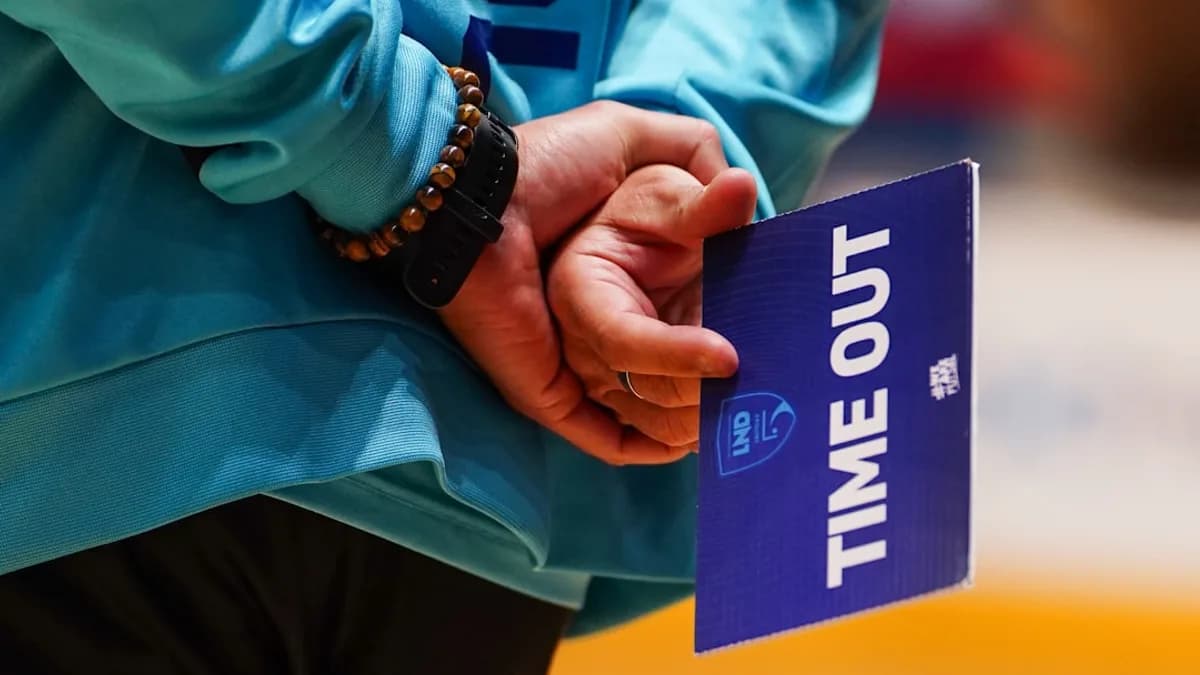
A strange timeout decision by Mike Brown set off a wave of confusion during Game 2 between the New York Knicks and Atlanta Hawks. The Knicks were trying to hold on to a lead, but a broadcast error made things even messier. For a few minutes, fans and players both seemed unsure about what was happening on the court. Some thought the Knicks had called a timeout, while others saw the Hawks making moves that didn’t match the score or the clock.
The drama was so thick, it felt like the game itself was on pause. People watching at home got frustrated. Social media lit up with questions and jokes. The mix of Brown’s odd call and the broadcast slip-up shaped the night’s story—and may change how the rest of the NBA playoffs are remembered. Here’s what really happened, and why it matters for both teams and the league [Source: Google News].
Mike Brown’s Unconventional Timeout Call That Sparked Confusion
Mike Brown, coaching the Hawks, made a timeout call late in the fourth quarter that caught almost everyone off guard. The Hawks were down but had momentum. Usually, coaches use timeouts to break an opponent’s rhythm or to set up a key play. Brown’s decision came right after a Knicks turnover, when the Hawks seemed poised for a fast break.
Commentators and analysts didn’t expect Brown to stop play at this moment. Many said it was a “head-scratcher.” Some wondered if he’d missed something on the court, or if he was trying to calm his team. The stoppage gave the Knicks a chance to regroup, but it also gave the Hawks time to draw up a play.
This unusual timeout was the spark for what became the “phantom timeout” drama. The confusion started because the timing didn’t fit the usual pattern. Players looked at each other, unsure who had actually called for time. Even officials hesitated, checking the scorer’s table. The chaos grew when the broadcast team reported the wrong information, making it seem like the Knicks had called the timeout instead. Brown’s move threw both teams—and the audience—into uncertainty [Source: Google News].
Broadcast Error Amplifies Phantom Timeout Drama and Fan Reactions
Things got even messier thanks to a broadcast error. The TV graphics flashed that the Knicks had used a timeout, even though it was the Hawks. This mistake made viewers think the Knicks were trying to slow down the Hawks’ push, when actually Brown was shifting gears for his own team.
Commentators scrambled to fix the mistake live, but the confusion stuck. Fans watching at home started posting screenshots and clips to social media, asking, “Who called timeout?” Some joked about “phantom timeouts,” while others complained that the error ruined their trust in the coverage.
The broadcast team, usually quick to clear things up, struggled this time. For several minutes, the wrong team was shown in the timeout box. When the truth came out, fans were already frustrated. Some pointed out that mistakes like this can change how the game feels for viewers. Others asked if the NBA should improve its timeout tracking and on-screen graphics to avoid similar confusion in the future.
By the time the action resumed, the damage was done. Both teams had lost their rhythm, and the crowd at Madison Square Garden was buzzing with uncertainty. The broadcast error turned a simple timeout into a mini-crisis—making this playoff game one that will be remembered for more than just basketball [Source: Google News].
CJ McCollum’s Clutch Performance Fuels Hawks’ Stunning Comeback
While the timeout drama stole the spotlight for a moment, CJ McCollum took over as the hero for the Hawks. With the Knicks still in shock from the confusion, McCollum found his groove. He hit back-to-back three-pointers, slicing into the Knicks’ lead. Then he drove hard to the basket, drawing fouls and sinking free throws.
McCollum finished the night with 28 points, including 12 in the final quarter. He grabbed key rebounds and handed out assists, keeping the Hawks’ offense moving. Every time the Knicks tried to answer, McCollum responded with another big play.
His late-game rally turned the series on its head. The Hawks were down by double digits before McCollum’s push. Now, the series is tied 1-1, and the Knicks have to rethink their defense. McCollum’s performance made him the villain at Madison Square Garden, with fans booing his every move. But his cool under pressure—and his knack for big shots—gave Atlanta hope and energy heading into Game 3 [Source: Google News].
Knicks’ Struggles: Karl-Anthony Towns’ Ineffectiveness and Team Collapse
The Knicks needed Karl-Anthony Towns to step up, but he faded when it mattered most. Towns scored just 8 points in the final quarter and missed several open shots. He looked lost on defense, letting Hawks players cut past him for easy baskets.
For much of the game, Towns was a “nonfactor.” He struggled to grab rebounds, and his teammates seemed hesitant to pass him the ball. Analysts said he was out of sync. This was a big problem, since the Knicks count on Towns for scoring and leadership.
As Towns faded, the whole Knicks team lost their grip. They turned over the ball three times in the last two minutes. Atlanta took advantage, using quick passes and fast breaks to turn mistakes into points. The Knicks’ offense stalled, and their defense broke down.
This collapse hurt their morale. Fans at the Garden went from cheering to groaning as the Hawks took the lead. Now, the Knicks must figure out how to get Towns going and rebuild their confidence before Game 3. If they don’t, the Hawks could take control of the series [Source: Google News].
Implications of the Phantom Timeout Incident on NBA Playoff Officiating and Broadcasts
The phantom timeout drama shows how small errors can shake up big games. When a coach makes an odd call and the broadcast team messes up, everyone—players, fans, refs—gets confused. This can affect how teams play, how coaches make decisions, and how viewers understand the action.
The NBA has strict rules about timeouts and game tracking, but incidents like this highlight weak spots. Officiating crews rely on scorer’s tables and broadcast teams to keep everyone on the same page. If a mistake slips through, it can change the pace and mood of the game.
Broadcasters are under pressure to get details right, especially during playoffs. A timeout error doesn’t just annoy fans—it can also affect betting markets and post-game analysis. Some experts suggest the NBA should use new tech to track timeouts in real time, like on-screen alerts or player microphones.
Incidents like this also shape playoff storylines. Fans remember controversial calls and confusing moments. Teams can get labeled as “lucky” or “sloppy” based on how these errors play out. For the Knicks and Hawks, the phantom timeout adds a twist to their rivalry, and raises questions about how well the league manages its biggest games [Source: Google News].
Conclusion: What the Knicks-Hawks Drama Means for the Rest of the 2026 NBA Playoffs
The Game 2 drama between the Knicks and Hawks showed how one odd decision—and a broadcast slip-up—can change the whole story of a playoff series. Mike Brown’s timeout confused everyone. A broadcast error made things worse. CJ McCollum’s late heroics brought the Hawks back, while the Knicks’ collapse highlighted their need for stronger play.
Now, with the series tied, both teams face new questions. Will the Knicks fix their timeout tracking and get Karl-Anthony Towns back on track? Can the Hawks ride McCollum’s momentum to another win? The NBA might also look for ways to improve how games are covered and tracked, so fans and players don’t get caught in another phantom timeout mess.
As the playoffs roll on, everyone will be watching for more surprises—and hoping that the next big moment is clear, fair, and honest. This series is far from settled, and both teams will need sharp minds and strong nerves to win the next battle [Source: Google News].
Why It Matters
- Confusion around timeout calls can impact game flow and outcomes in high-stakes NBA playoff matches.
- Broadcast errors highlight the importance of accurate reporting for fan experience and player awareness.
- Incidents like this could prompt the NBA to revisit protocols for communication and timeout management.