Why Thiago Ávila’s Courageous Stand in Gaza Resonates Globally
A Brazilian father risked his freedom—and possibly his life—not for headlines or personal gain, but to deliver medicine and hope to a besieged population. Thiago Ávila’s decision to board a Gaza-bound humanitarian flotilla wasn’t spontaneous idealism; it was the calculated act of someone who weighed the price of conscience and chose action over comfort. His subsequent letter from an Israeli prison to his young daughter, published by Al Jazeera, lays bare the emotional calculus behind activism that transcends borders.
Ávila’s story is a stark reminder: real change often demands personal risk. As images of devastation in Gaza flicker across screens, the temptation to scroll past, to compartmentalize suffering, is strong. Ávila refused that detachment. He joined a flotilla carrying 5,000 tons of humanitarian aid, knowing Israeli authorities had a history of intercepting, detaining, and expelling activists. In his cell, separated from his daughter by steel and geopolitics, Ávila’s words underscore a timeless truth: rights are not won by spectators, but by those who step into the line of fire. His stand matters—not just for Gaza, but for anyone who still believes moral clarity can cut through political deadlock.
How Ávila’s Letter Reveals the Human Side of Political Activism
Inside his letter, Ávila doesn’t indulge in slogans or martyrdom. He writes as a father, explaining to his daughter why he chose a path that would likely mean absence, fear, and uncertainty for both of them. Hope, justice, and love aren’t abstractions here—they’re the currency of his daily decisions. He tells her he acted “so you and all the children of the world learn that it’s possible to face injustice,” weaving together the intimate and the political in a way few speeches or manifestos ever do.
This kind of personal narrative slices through the numbing effect of endless crisis coverage. Political violence often erases faces and names; Ávila’s letter restores them. Academic studies of activism repeatedly show that stories spark empathy more reliably than statistics. When a father describes missing his daughter’s birthday to protest collective punishment, the stakes become immediate. It’s no longer about “the conflict”—it’s about what children, parents, and ordinary people endure because of policy decisions made far away.
Ávila’s words invite readers to imagine their own families in that cell, or on the receiving end of a blockade that’s lasted 17 years. He’s not just protesting Israeli policy; he’s reminding the world that solidarity can be as personal as a bedtime story left unfinished. In an era when activism is often dismissed as virtue signaling, Ávila’s handwritten explanations to a child cut through the cynicism. This is the connective tissue between distant suffering and everyday morality—a reminder that political decisions are, at their core, decisions about people like us.
The Broader Impact of Humanitarian Flotillas on Global Awareness
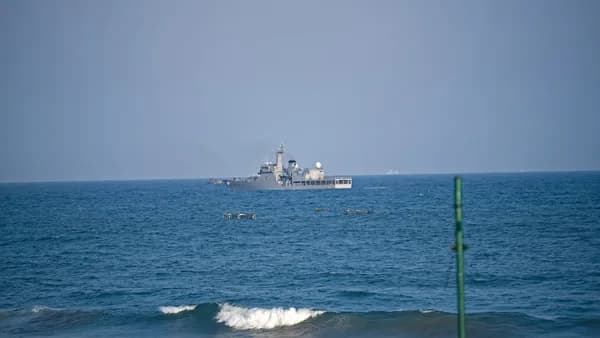
Humanitarian flotillas rarely succeed in reaching Gaza with their cargo, but they consistently succeed in igniting headlines and diplomatic debate. The first high-profile case—the 2010 Mavi Marmara incident—ended with nine activists dead and a spike in international condemnation of Israel’s blockade. Since then, over a dozen flotillas have sailed, with hundreds arrested or deported, and the issue forced back onto the global agenda each time.
Ávila’s flotilla carried vital medical supplies, but its real payload was political pressure. Each interception is a media event, a challenge to the status quo that governments and mainstream outlets can’t easily ignore. In 2023, the International Committee of the Red Cross called Gaza’s medical system “in collapse,” with over 60% of hospitals closed due to shortages. By physically attempting to break the siege, activists like Ávila force uncomfortable questions onto the table: How long can the world tolerate a blockade that, according to the UN, has left 80% of Gaza’s population dependent on aid?
This is why states react so aggressively. For Israel, stopping the flotillas isn’t just about security—it’s about preventing the normalization of direct action that spotlights policy failures. For participants, the risks are real: detention, blacklisting, violence. But their commitment puts a human face on the abstract. By risking prison, they highlight both the urgency of the crisis and the inadequacy of diplomatic hand-wringing. Flotillas turn distant suffering into a confrontation with global conscience.
Addressing Criticism: The Debate Over Activism and Political Boundaries
Critics argue these flotillas are little more than theater—provocations that strain diplomatic ties, offer scant material relief, and potentially endanger all sides. Israeli officials maintain the blockade is a security necessity, and that aid should flow through established channels, not publicity stunts. Even some humanitarian organizations worry that direct action can backfire, undermining delicate negotiations or risking escalation.
But this critique misses the point. Civil disobedience has always walked a fine line between legality and legitimacy. When legal avenues are closed or complicit, the moral imperative to act can—and should—override the demand for order. The U.S. civil rights movement, anti-apartheid boycotts, even the suffragettes all faced similar charges of provocation and illegality. History vindicated those who were willing to sit in, march, or sail against the current.
In Gaza’s case, the blockade’s humanitarian impact is well-documented and widely condemned, yet inertia reigns. If activists like Ávila waited for permission, nothing would change. Their actions force a reckoning: is it acceptable to prioritize political convenience over lives and dignity? When governments refuse to act, citizens must decide if silence is complicity.
Why Thiago Ávila’s Message Should Inspire a Renewed Commitment to Justice
Ávila’s letter demands more than admiration—it demands introspection. If one father can endure prison for the sake of strangers, what excuses remain for those who look away? His courage isn’t just an indictment of the blockade; it’s a challenge to complacency everywhere. Every campaign, donation, or conversation that chips away at indifference is part of the same fight.
Support for peaceful humanitarian missions, from flotillas to awareness campaigns, is not naïve. It is a refusal to let cynicism win. The world needs more people willing to cross lines for what’s right, to write letters that shame the silent, to make justice personal. Thiago Ávila’s story isn’t just about Gaza—it’s about the power of one person to remind us that courage and compassion still matter. The rest of us should act accordingly.
Why It Matters
- Thiago Ávila’s actions highlight the real risks individuals take to deliver humanitarian aid in conflict zones.
- His letter from prison personalizes activism, showing how political choices impact families and future generations.
- Ávila's story underscores the importance of moral courage in confronting global injustice, resonating beyond Gaza.