Strait of Hormuz: The Choke Point That Never Stops Giving
Every threat in the Strait of Hormuz instantly reverberates through global energy markets, but this time the stakes are higher. US forces intercepted Iranian attacks on commercial shipping, a move that signals more than just tactical maneuvering — it’s a warning shot for the world’s oil arteries. Unlike most regional skirmishes, the Hormuz flashpoint has the power to spike energy prices and redraw diplomatic lines overnight according to CryptoBriefing.
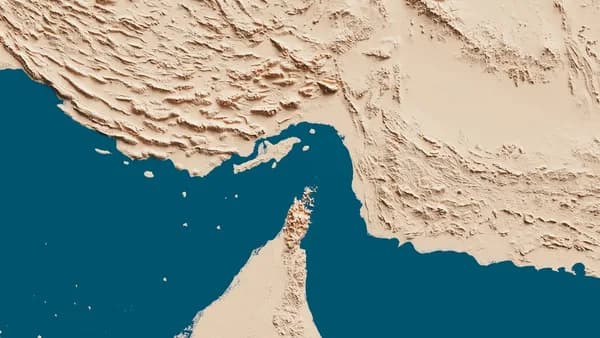
The Strait funnels roughly a fifth of global crude — about 21 million barrels daily — through a corridor barely 30 miles wide at its narrowest. Any disruption here forces energy importers, from Japan to Europe, to scramble. The US has always treated Hormuz as a non-negotiable red line. Iran, meanwhile, uses threats to shipping as leverage whenever it wants to push back against sanctions or negotiate from a position of strength. This region has seen everything from mining tankers in the 1980s to drone strikes in the 2020s, and each time, the ripple effect is global.
US Intercepts: Tactical Chess in the World's Most Valuable Waterway
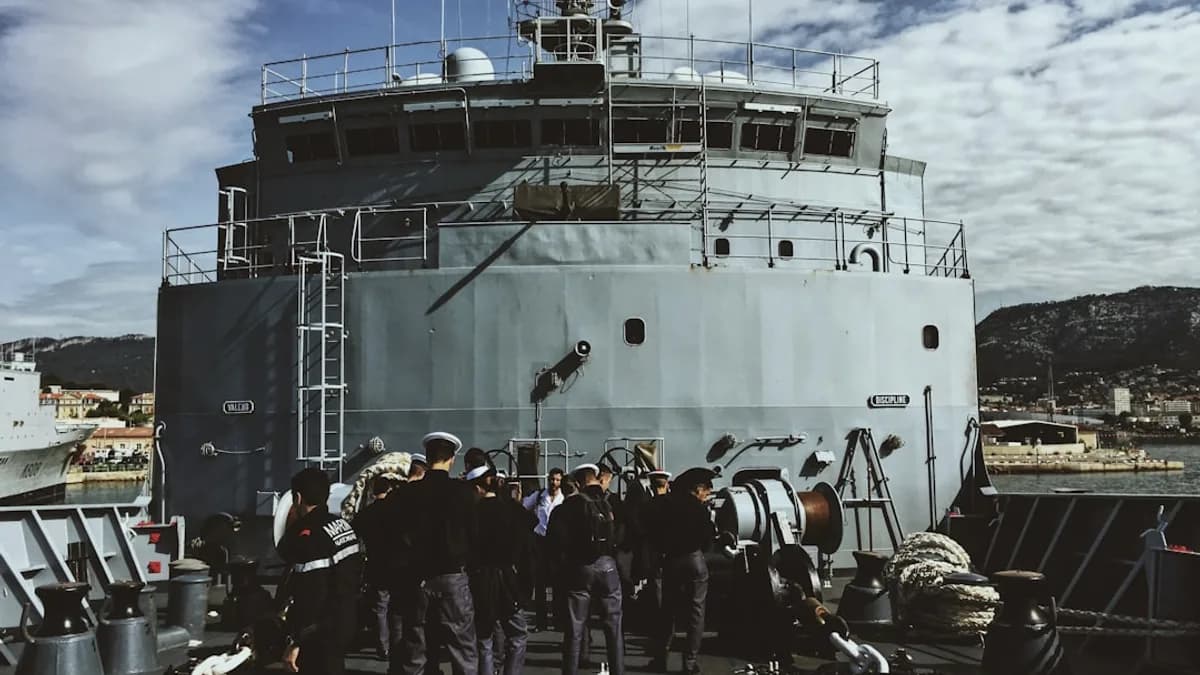
The latest interception involved US naval assets countering Iranian attempts to seize or damage oil tankers traversing Hormuz. Satellite imagery and official reports confirm that Iran deployed fast attack boats and, crucially, drones targeting both Western and regional vessels. US forces responded with guided missile destroyers and electronic warfare countermeasures, successfully neutralizing multiple threats without casualties.
Iran’s tactics are evolving. Instead of overt missile launches, the focus shifted to swarming vessels with small boats and using kamikaze drones — the same playbook seen recently in the Red Sea. These attacks don’t just threaten cargo; they test alliance coordination and electronic defenses. The US response, including the deployment of MQ-9 Reaper drones for surveillance and F/A-18s for rapid intervention, signals a shift to real-time threat neutralization.
Diplomatically, both sides hardened positions. Iran accused the US of “provocative escalation,” while Washington reiterated its commitment to defending freedom of navigation. Regional US allies, including Saudi Arabia and the UAE, increased naval patrols and issued advisories to their shipping fleets. Insurance premiums for tankers spiked overnight, with Lloyd’s of London reporting a 15% jump in “war risk” surcharges for vessels transiting the strait.
Oil Trade and Military Numbers: The Strait by the Data
The Strait of Hormuz carries about 21 million barrels of oil daily — over 30% of all seaborne crude. In dollar terms, that’s roughly $1.5 billion in oil passing through every day, based on current Brent prices. Any disruption, even a rumor, can spark price spikes. During the June 2019 tanker attacks, oil futures jumped 4% in a single trading session.
Military deployments have surged since 2021. The US Fifth Fleet, based in Bahrain, maintains at least three destroyers and one carrier strike group in the area, supported by surveillance aircraft. Iran’s naval presence includes over 100 fast attack craft, several missile boats, and increasingly, drone assets.
Historical data shows that every major skirmish in Hormuz triggers economic aftershocks. The 1984-88 “Tanker War” drove oil prices up by 25%, while the 2019 attacks on Japanese and Norwegian vessels sent insurance costs for shipping through Hormuz up by 50% within weeks. These numbers aren’t just trivia — they shape global inflation and central bank policy.
Who Wants What: Stakeholder Agendas Collide
The US sees Hormuz as a test of naval supremacy and a bulwark against Iranian regional ambitions. Pentagon planners argue that “freedom of navigation” underpins not just oil flows, but US credibility in the Gulf. The risk: if the US blinks, regional allies may hedge with China or Russia for security guarantees.
Iran’s calculus is more layered. Hardliners in Tehran view attacks as a way to retaliate against sanctions and project power without triggering a full-scale war. By targeting tankers, Iran sends a message to both Western and regional governments: sanctions have costs, and Iran can impose them selectively. The IRGC’s use of drones and speedboats is calibrated — enough to rattle nerves, not enough to justify US retaliation.
Regional players, especially Saudi Arabia and the UAE, are nervous. Their economies depend on uninterrupted oil exports, and they’ve quietly ramped up security cooperation with the US. Insurance companies, meanwhile, are the canaries in the coal mine. When they hike premiums, it signals real risk — not just headline drama.
The international diplomatic community is scrambling. The UN called for restraint, but history shows peacekeeping in Hormuz rarely lasts. European powers, burned by past disruptions, are pushing for shuttle diplomacy. China, a major importer, is quietly urging both sides to cool tensions, fearing supply chain shocks.
History Doesn't Repeat, But It Sure Rhymes: Lessons from Past Hormuz Crises
The Hormuz “Tanker War” in the 1980s saw US Navy escorts for Kuwaiti tankers, resulting in several direct confrontations with Iranian forces. That era ended with Operation Praying Mantis, the largest US naval battle since WWII, forcing Iran to retreat but not resolve underlying disputes. Oil prices soared, but ultimately stabilized after US show-of-force operations.
More recently, the 2019 incidents saw limpet mine attacks and drone shootdowns, leading to a brief surge in US deployments but no lasting peace. The pattern: Iran escalates, the US responds, oil prices spike, but both sides stop short of outright war.
What’s different today? Drones and electronic warfare have made attacks cheaper and harder to trace. The US is less dependent on Middle Eastern oil, but global supply chains remain vulnerable. Insurance markets react faster, and China’s stake in the region is much larger, making any disruption a truly global crisis.
Oil Markets Brace for Impact: Real Risks, Real Consequences
Every escalation in Hormuz causes a measurable jump in oil volatility. After the latest incident, Brent crude futures briefly surged 3% before stabilizing. The real risk isn’t just price — it’s supply chain disruption. Shipping firms are rerouting vessels, adding days and millions to transit costs. Insurance premiums for “war risk” now sit at $60,000 per voyage, up from $40,000 just last month.
Energy-importing countries, especially in Asia, are exposed. Japan and South Korea import over 70% of their oil through Hormuz. Even European refiners, who’ve tried to diversify, remain vulnerable to price spikes and supply squeezes. The US, thanks to shale, is insulated on the import side but exposed as an exporter and global price setter.
The longer these tensions simmer, the more likely oil-consuming nations will accelerate diversification — from new pipelines to LNG terminals. But those projects take years. In the short-term, expect volatility. Goldman Sachs estimates a sustained disruption could push Brent above $100/barrel, triggering inflation and central bank headaches worldwide.
Looking Forward: Scenarios and Diplomatic Levers
There are three plausible paths. First, military escalation: if Iran ramps up attacks or the US responds with force, expect oil prices to spike, a surge in naval deployments, and possible involvement by Russia or China. The trigger? A fatal incident or a successful blockade.
Second, de-escalation: back-channel talks and shuttle diplomacy could calm tempers. The UN or European intermediaries might broker a temporary deal, but lasting peace is unlikely without a change in sanctions or security guarantees.
Third, technology changes the game. Improved satellite surveillance and AI-driven threat detection could reduce successful attacks, making Hormuz safer but also raising the stakes for cyber-warfare and drone strikes. The US is already testing machine-learning algorithms to track swarming boats in real time.
My bet: barring a major miscalculation, the status quo will persist — tension, occasional flare-ups, but no full-scale war. Oil markets will remain jumpy, shipping insurers will keep raising premiums, and energy importers will quietly accelerate diversification. The Strait of Hormuz will stay the world’s most valuable choke point, and every incident will remind markets just how fragile global energy security really is.
The Stakes
- Disruptions in the Strait of Hormuz can immediately impact global energy prices and supply.
- Escalation between US and Iran raises risks of broader conflict affecting international trade routes.
- Successful US interception signals ongoing commitment to securing critical global shipping lanes.