Why the Release of Touska Container Ship Crew Signals a Shift in US-Iran Relations
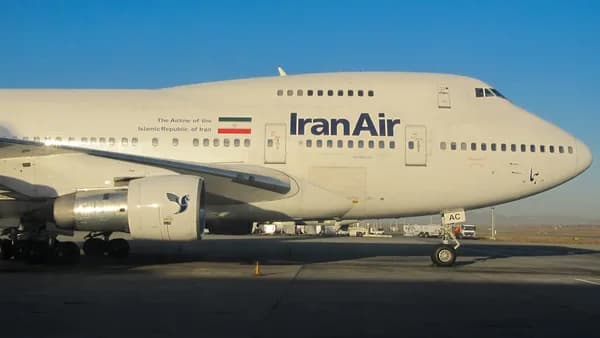
Washington freed the crew of the Touska container ship after weeks of detention, breaking a years-long cycle of maritime standoffs with Tehran. The move is more than a humanitarian gesture—it’s a rare signal that both sides might be ready to dial down tensions. Pakistan claimed the release is a “confidence-building measure” between Iran and the United States, hinting at diplomatic momentum that’s been absent since the collapse of the 2015 nuclear deal, according to Al Jazeera.
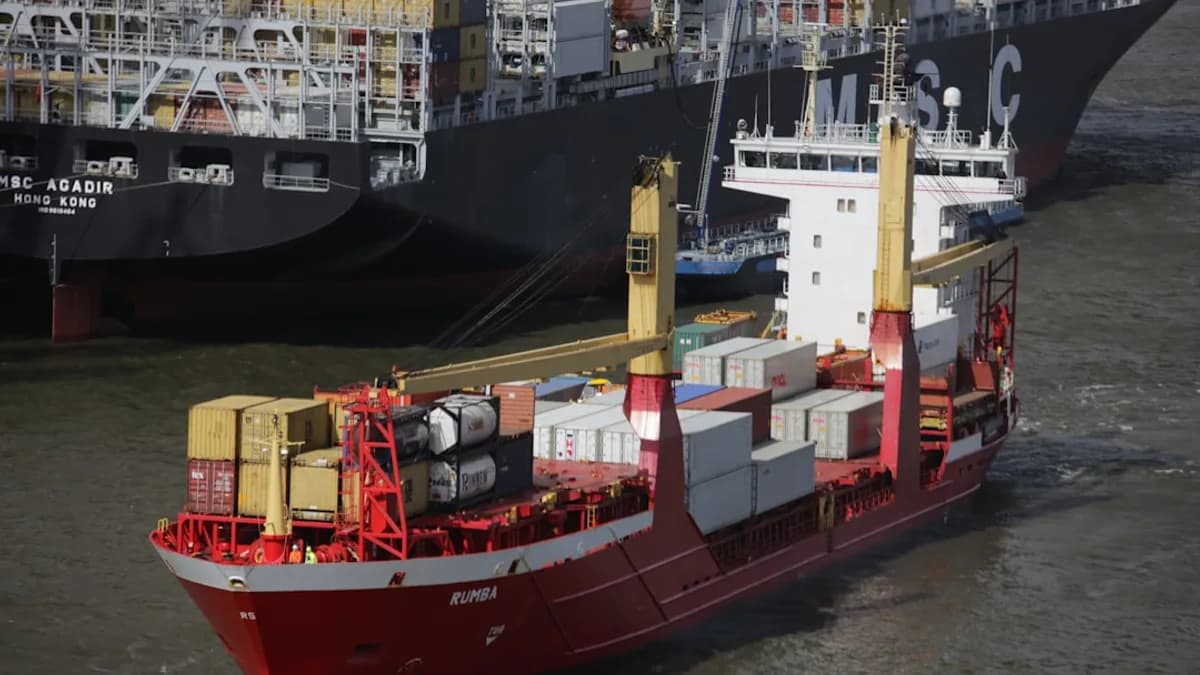
The US and Iran have spent much of the past decade locked in a tit-for-tat over sanctions, regional influence, and maritime incidents. Iranian forces routinely seize commercial vessels in the Persian Gulf, using crews as bargaining chips. In 2024 alone, at least five ships faced Iranian detention, disrupting oil and container traffic worth billions. Washington’s response has typically been forceful: deploying naval assets, ramping up sanctions, and warning shipowners off the Gulf. The Touska incident fit this pattern—until the release.
Diplomats see the episode as a rare opening. If Tehran and Washington can resolve this high-profile case quietly, it suggests both are willing to negotiate behind the scenes. Pakistan’s involvement is notable; Islamabad has often played the role of intermediary, but rarely has it publicly claimed credit for brokering such a visible deal. The release hints at a recalibration, where regional players nudge rivals toward compromise instead of confrontation.
What Led to the Detention of the Touska Container Ship Crew and Its Impact on Maritime Security
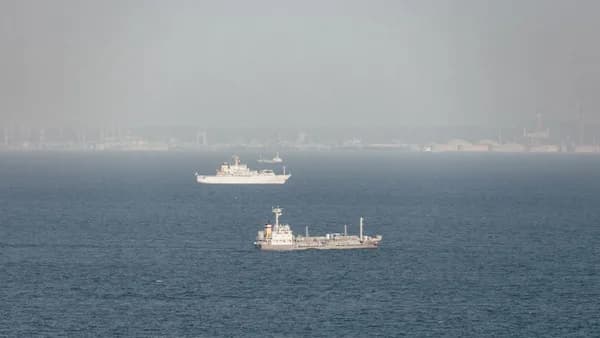
The Touska, flagged by Iran and carrying mixed cargo, was intercepted by US forces in the Strait of Hormuz—a strategic chokepoint handling 21% of global oil. American authorities cited “security concerns” linked to suspicious manifests and possible sanctions violations, detaining the crew for questioning. Such actions are not isolated; in April, the US detained another Iranian-linked vessel, escalating a pattern that industry analysts warn could destabilize shipping lanes.
Maritime detentions disrupt more than just schedules. Crew safety becomes collateral in geopolitical games, with insurance costs spiking 30% for ships flagged in or near Iran. Lloyd’s List tracked over $1.2 billion in cargo delays from Gulf standoffs in the past two years. Shipowners face a dilemma: reroute around hotspots and incur extra fuel and time, or risk detention and legal wrangling. Governments worry about the domino effect—a single incident can prompt retaliatory seizures, as seen in 2019 when Iran responded to UK’s detention of an oil tanker with its own high-profile capture.
Uncertainty rattles supply chains, especially for container traffic linking Asia, Europe, and Africa. The International Maritime Organization has urged restraint, but enforcement is patchy. For crews, the risk is personal: detentions can mean weeks of legal limbo, limited consular access, and psychological stress. The Touska episode spotlighted these vulnerabilities, pushing industry groups to demand clearer international rules on maritime arrests.
How the Release of the Crew Could Influence Future Diplomatic Engagements Between Tehran and Washington
Releasing the Touska crew cracks open a door that’s been shut since talks on Iran’s nuclear program froze. Historically, gestures like this have greased the wheels for broader negotiations. In 2016, the US and Iran swapped prisoners, leading to temporary sanctions relief and deeper back-channel talks. But since 2022, dialogue stalled—both sides dug in as hardliners gained ground.
This incident feels different. By resolving a maritime dispute with minimal fanfare, both governments avoid public posturing and leave room for private diplomacy. If the US and Iran build on this, future negotiations could target issues beyond nuclear enrichment: regional security, sanctions unwinding, and humanitarian exchanges. The fact that crew release happened without new sanctions or saber-rattling suggests appetite for risk management, not escalation.
Yet obstacles remain. US officials face pressure from Congress to stay tough on Iran, especially after drone attacks on Gulf allies and continued support for proxy groups. Tehran, meanwhile, distrusts American promises after years of policy flip-flops. Diplomatic progress is rarely linear; past goodwill gestures have unraveled under domestic backlash or shifting regional alliances. Still, this episode gives mediators a template: resolve practical disputes first, then tackle bigger strategic issues.
What This Means for Pakistan’s Role in Regional Diplomacy and Security
Pakistan’s mediation in the Touska release is more than a diplomatic footnote—it’s a calculated play to bolster its regional influence. Islamabad sits at the crossroads of US, Iranian, and Gulf interests, regularly walking a tightrope between rival powers. By facilitating the crew’s release, Pakistan positions itself as a pragmatic broker, not just a passive neighbor.
Pakistan’s strategic interest is clear: stable shipping lanes mean uninterrupted trade for its ports, especially Gwadar, which handles increasing volumes for China’s Belt and Road. Islamabad also wants to avoid spillover—maritime standoffs can trigger border tensions or disrupt its own energy imports. Claiming credit for the Touska deal signals to Washington and Tehran that Pakistan can deliver results, a message aimed at securing future concessions or mediation invitations.
Internationally, Pakistan’s involvement may boost its standing with Western partners seeking reliable middlemen in a volatile region. If Islamabad plays its cards right, it could parlay this success into new diplomatic initiatives: hosting maritime security talks, brokering prisoner exchanges, or facilitating anti-piracy cooperation. The Touska incident gives Pakistan a case to pitch itself as a dealmaker, not a bystander.
How the Touska Crew Release Serves as a Case Study for Conflict Resolution in Maritime Disputes
The Touska episode offers a hard-won lesson in maritime conflict resolution. The US detained the ship citing security concerns; Iran protested, raising the stakes for a regional standoff. Pakistan quietly brokered talks, using back-channel diplomacy and assurances of crew safety. After nearly a month, the crew walked free—no public threats, no tit-for-tat seizures, and minimal media fanfare.
This resolution process diverged from the usual script, where maritime disputes spiral into legal battles or retaliatory captures. By focusing on crew welfare and keeping negotiations discreet, stakeholders avoided escalation. Industry groups point to key takeaways: transparency on detention reasons, third-party mediation, and quick consular access reduce risks for both sides.
For future incidents, best practices emerge. Governments should provide clear, timely communication on detentions, involve neutral mediators early, and prioritize humanitarian outcomes over political point-scoring. Shipowners can invest in real-time tracking and legal support, while international bodies push for standardized protocols on maritime arrests.
The Touska case is no magic fix for Gulf tensions, but it’s a blueprint for de-escalation. If applied widely, it could shrink the risk premium for container traffic and restore confidence in key trade routes. The world’s busiest waterways remain vulnerable, but discreet diplomacy—backed by regional intermediaries—offers a path to safer, steadier shipping.
What to Watch Next: Maritime Security, Diplomatic Openings, and Pakistan’s Rising Profile
The Touska crew release is more than a headline—it’s a signal that Gulf maritime disputes don’t have to end in escalation. If Washington and Tehran sustain this approach, expect more back-channel deals that prioritize practical outcomes over public posturing. Pakistan’s role is set to grow; watch for Islamabad pitching itself as a mediator in future Gulf incidents, or hosting talks that include China, the US, and Iran.
For shipowners, the case underscores the need to monitor regional political winds and invest in robust legal and tracking systems. For policymakers, it’s a reminder that resolving small-scale disputes can unlock bigger diplomatic possibilities. The Strait of Hormuz and surrounding waters will stay fraught, but the Touska episode suggests risk can be contained—and diplomacy, quietly, can work.
Impact Analysis
- The release marks a potential thaw in US-Iran relations after years of maritime standoffs.
- It sets a precedent for resolving high-profile maritime incidents through negotiation rather than confrontation.
- Regional players like Pakistan are increasingly influential in mediating between global rivals, shaping future diplomacy.