Escalating Iran Conflict Threatens to Shut Down Vital Airspace Corridors
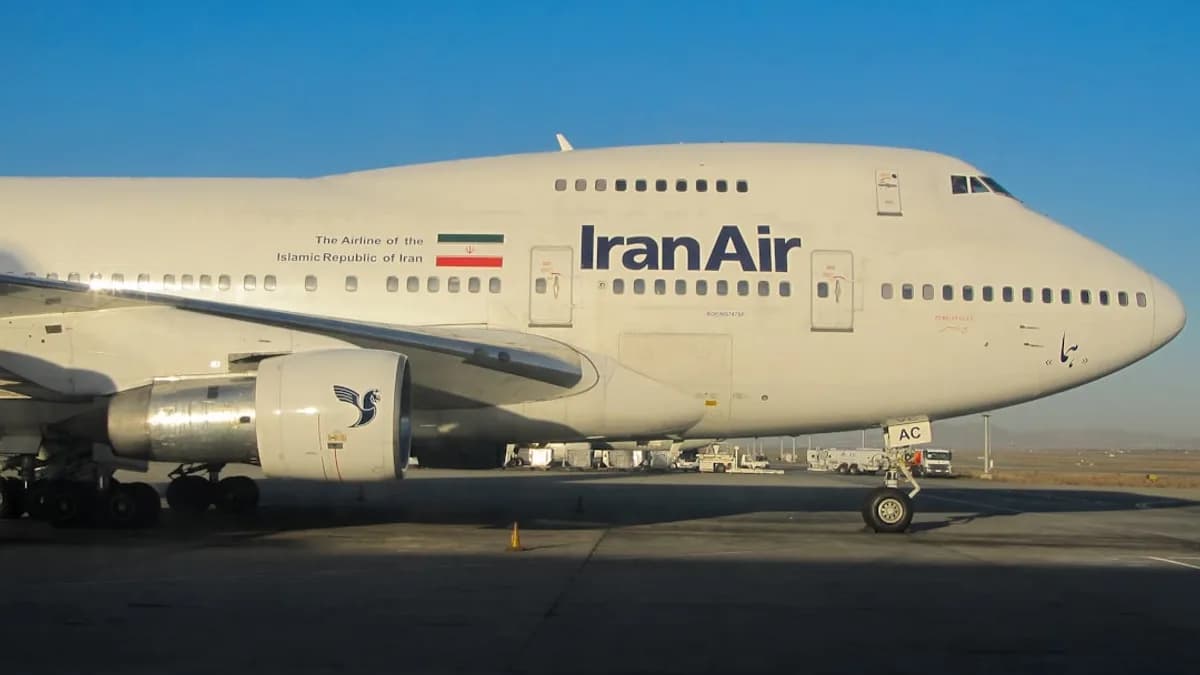
The threat of a full closure of Iranian airspace is suddenly more than a remote possibility—it’s a looming risk with the potential to scramble the world’s busiest flight routes and rattle energy supply chains. Recent military escalations inside Iran and along its borders have pushed regional airlines, cargo operators, and global logistics firms into crisis mode. Iranian territory sits at the crossroads of Asia, Europe, and Africa, forming a bridge for over 400 commercial flights per day, including Emirates, Qatar Airways, Lufthansa, and Air India. Losing this corridor would upend schedules for all of them.
Political triggers are multiplying. Tehran’s leadership, facing mounting internal unrest and external military threats, has signaled it might impose blanket restrictions on overflight, citing security concerns. In the past week alone, missile exchanges and drone strikes in Iran’s western provinces have put international aviation authorities on alert. The US Federal Aviation Administration already bans American carriers from parts of Iranian airspace; now, European and Asian regulators are considering expanding their own prohibitions.
The stakes are highest for flights crossing the Persian Gulf, Central Asia, and the Indian subcontinent. These routes are essential for connecting markets in China, India, and Southeast Asia to Europe—and for moving time-sensitive cargo, including medical supplies and electronics. As CryptoBriefing reports, the immediate risk isn’t theoretical: airlines are actively plotting alternate routes and contingency plans, anticipating that Iran’s skies may become off-limits at any moment.
Quantifying the Impact: How Iran Airspace Closure Could Disrupt Global Travel and Energy Markets
If Iran shuts down its airspace, rerouting flights would cost airlines an estimated $100-300 million per month in additional fuel and crew expenses, according to International Air Transport Association data from prior disruptions. Flights between Europe and Asia could stretch by up to 90 minutes, forcing carriers to burn more fuel, reduce cargo payloads, and jack up fares. Emirates and Qatar Airways—which rely on the corridor for up to 40% of their long-haul routes—would bear the brunt, facing detours via Saudi Arabia, Central Asia, or even Russia.
Passenger tickets could spike by 10-20% on affected routes. The ripple effect: more delays, missed connections, and squeezed capacity as airlines scramble to cover longer distances with the same fleet. Cargo shipments—especially perishable goods and high-value electronics—would see price hikes and unpredictable delivery times. In 2019, when Pakistan briefly closed its airspace during military tensions, over 1,800 flights were rerouted and global airfreight rates surged by up to 15% within days.
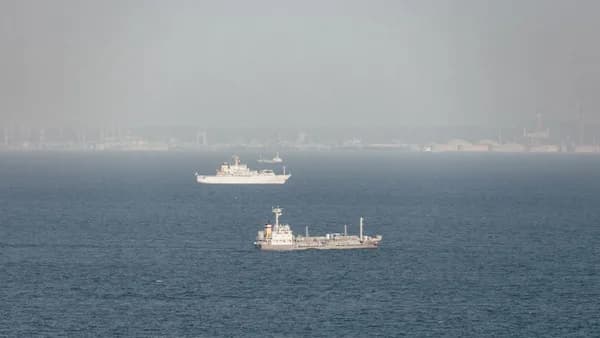
The energy sector faces equally sharp shocks. Iran’s airspace sits atop the world’s busiest oil shipping lanes, including the Strait of Hormuz, which handles about 21 million barrels per day—roughly 21% of global oil consumption. If conflict triggers broader regional instability, tankers and LNG carriers could face delays or rerouting, raising insurance premiums and transit times. Brent crude prices have already spiked 5-8% in response to recent Iranian tensions, hitting $89/barrel last week. Traders expect volatility to intensify if airspace restrictions coincide with threats to maritime routes.
Natural gas flows—especially pipeline and LNG shipments from Qatar and Iran—could become less predictable. Supply contracts might face force majeure clauses, leaving buyers scrambling for alternatives in the spot market. Energy-intensive industries in Europe and Asia—steel, chemicals, manufacturing—would see their input costs rise, with downstream effects on consumer prices. The disruption isn’t just about longer flights; it’s about unsettling the bedrock of global trade.
Diverse Stakeholder Perspectives on Iran Airspace Risks and Market Volatility
Airlines want clarity but face whiplash from shifting regulations. Lufthansa and British Airways have begun rerouting select flights preemptively, but warn that full closure would force schedule cuts and layoffs. Middle Eastern carriers, especially Emirates and Qatar Airways, argue that their hub-and-spoke models depend on uninterrupted access to Persian Gulf airspace; losing Iran as a corridor could shrink their competitive advantage overnight.
Energy companies, meanwhile, are less public but deeply concerned. Major oil traders and shipping firms are quietly negotiating new insurance terms and alternative routes, knowing that an Iranian airspace shutdown could coincide with threats to the Strait of Hormuz or even regional pipeline sabotage. Executives at Shell and Total have signaled—through industry forums—that volatility premiums are already rising, and spot market hedging is intensifying.
Geopolitical analysts see the closure threat as a pressure tactic. Iran’s government, by threatening to restrict airspace, signals to global powers that escalation carries real economic pain. Some analysts, like those at the International Crisis Group, believe Iran may use airspace closure as bargaining leverage in upcoming nuclear negotiations. Regulatory bodies (ICAO, EASA) are issuing notams and contingency bulletins, but admit their hands are tied until Iran makes its move.
Travelers and businesses are collateral. Business travelers to India, China, and the Gulf face longer journeys, higher fares, and less reliable schedules. Multinationals with supply chains running through the region—pharmaceuticals, automotive, semiconductors—are warning clients about possible delays and cost surges. The consensus across stakeholders: uncertainty is already costing time and money, and the pain will deepen if Iran follows through.
Historical Precedents of Airspace Closures in Conflict Zones and Their Market Consequences
History shows that airspace closures in conflict zones can inflict rapid, lasting damage on global transport and supply chains. During the Gulf War in 1991, Iraq’s and Kuwait’s airspace vanished overnight, rerouting thousands of flights and sparking a 20% jump in international airfares. Airlines slashed schedules, cargo rates soared, and oil prices surged from $17 to $40 per barrel in a matter of weeks.
More recently, the 2014 Russia-Ukraine crisis forced carriers to avoid eastern Ukrainian skies, adding up to two hours to Europe-Asia routes and costing the industry an estimated $400 million in lost productivity and fuel within the first quarter. Airfreight delays hit electronics and auto parts hardest, with supply chain bottlenecks rippling into manufacturing hubs in Germany, Japan, and South Korea.
Pakistan’s 2019 airspace closure lasted just five days but rerouted over 1,800 flights and cost airlines $30 million in extra fuel and crew expenses. The disruption exposed how vulnerable global logistics are to sudden geopolitical shocks. In every case, the effects weren’t limited to airlines—energy prices spiked, insurance premiums rose, and manufacturers scrambled for alternative shipping methods.
The lesson: markets adapt, but resilience comes at a price. Airlines and energy firms eventually develop workarounds, but consumers and downstream businesses pay more, and operational risk lingers for months or years.
What Iran Airspace Closure Means for Global Travel and Energy Industries Moving Forward
Airlines are already preparing for the worst. Expect tactical adjustments: more fuel stops, smaller payloads, and schedule thinning on Europe-Asia routes. Some carriers may shift capacity to North Atlantic or Pacific routes, hoping to offset lost revenue. Aviation tech firms are ramping up route optimization software, aiming to squeeze efficiency from longer detours.
Energy companies will pivot, too. Oil traders are exploring alternative shipping lanes—via Red Sea or Mediterranean pipelines—though these options are limited and often more expensive. LNG carriers crossing the Gulf may face new insurance requirements, adding double-digit premiums to each voyage. Refineries in Europe and Asia will diversify sourcing, locking in fallback contracts with suppliers in the Americas or Africa.
Global supply chains could see a reconfiguration. High-value, time-sensitive cargo may move onto maritime routes or rail—like China’s Belt and Road trains to Europe—but these methods are slower and less flexible. Manufacturers will build in more inventory buffers, bracing for recurring delays.
Consumers will feel it in airfare hikes, pricier goods, and longer delivery windows. International trade flows may slow, with knock-on effects for GDP growth in export-dependent countries. More broadly, the closure would signal that geopolitical risk is now an everyday operational variable for airlines, energy firms, and shippers. The industry’s “just-in-time” ethos will give way to “just-in-case” planning.
Forecasting Future Developments: Navigating Uncertainty Amid Iran Airspace Tensions
All signs point to a volatile few months. If conflict escalates, Iran could close its airspace with little warning—potentially triggering a domino effect in neighboring countries. Airlines and energy firms would scramble to reroute, with price spikes and delays hitting within days.
A diplomatic breakthrough—such as revived nuclear talks—could defuse the immediate threat, but even then, insurers and regulators may keep restrictions in place until stability returns. Emerging technologies, like satellite-based navigation and real-time risk assessment platforms, will help airlines adapt faster, but won’t erase the underlying vulnerability.
Stakeholders should move now: airlines must build flexible schedules and diversify crew bases, energy firms should lock in alternative supply contracts, and shippers need dynamic routing tech and deeper inventory buffers. Governments and regulators should coordinate notams and contingency plans, aligning responses to minimize chaos.
The most likely scenario? Iran’s airspace will become a geopolitical bargaining chip, opening and closing based on negotiations and military realities. Price volatility—especially in oil and airfares—will persist. The winners will be those who treat risk as a permanent fixture, not a temporary aberration. The era of cheap, frictionless transit across the Middle East is ending; resilience and adaptability are now worth their weight in jet fuel and crude.
Impact Analysis
- Iranian airspace closure threatens to disrupt over 400 flights daily, impacting global travel and logistics.
- Energy markets could face supply chain delays as critical routes between Asia, Europe, and Africa are rerouted.
- Airlines and regulators are preparing costly alternate routes, which may increase fares and delivery times for consumers.