Rising U.S. Naval Activity in the Strait of Hormuz Signals Heightened Tensions with Iran
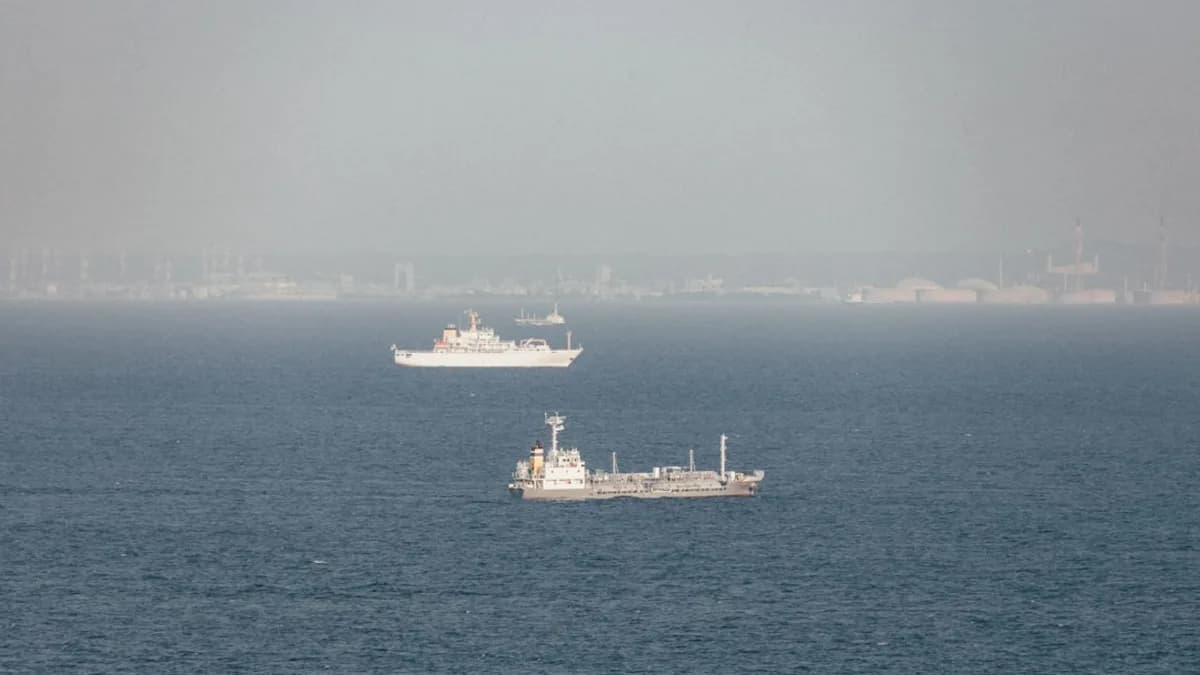
The U.S. Navy has ramped up its presence in the Strait of Hormuz, sending additional warships through one of the world’s most strategically vital maritime corridors. This move comes as Washington sharpens its focus on Iran, whose influence looms large over the narrow waterway that sees roughly a fifth of global oil pass daily. The latest deployments, confirmed by CryptoBriefing, mark a visible escalation after months of tit-for-tat rhetoric and proxy clashes across the region.
For global trade, the Strait of Hormuz isn’t just a shipping lane—it’s a pressure point. At its narrowest, only 21 miles separate Iran from Oman, forcing supertankers, LNG carriers, and naval vessels into tight quarters. Roughly 17 million barrels of oil transit the Strait every day, a figure that dwarfs other chokepoints like the Suez Canal, which handles about 5 million barrels per day. Any sign of instability here sends tremors through global energy markets.
Recent U.S. deployments follow a string of incidents: Iran’s seizure of commercial tankers, drone strikes near Gulf states, and missile launches by Tehran-backed militias in Iraq and Syria. Washington’s calculus is clear—project power, reassure Gulf partners, and deter further Iranian provocation. But each move risks raising the temperature in a region where even minor missteps can trigger major consequences.
Potential Military Escalation Risks from Increased U.S. Presence in Hormuz Waters
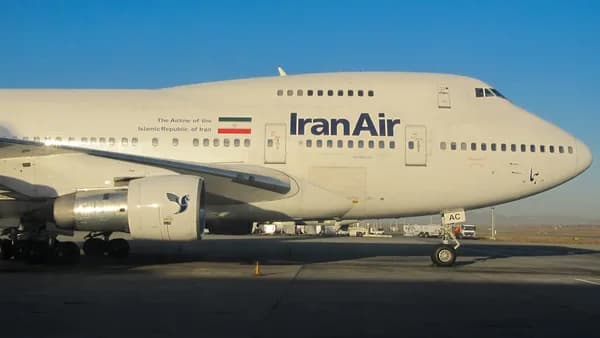
History shows that dense naval activity in the Strait of Hormuz is a tinderbox. The risk of a skirmish or full-blown confrontation rises with every additional warship or aircraft carrier squeezed into the narrow passage. In 1988, the U.S. Navy shot down Iran Air Flight 655, killing all 290 civilians aboard, after mistaking the plane for a hostile aircraft during Operation Praying Mantis. That incident, triggered by months of Iranian naval harassment and U.S. escort operations, underscored how quickly confusion and stress can lead to tragedy.
Today’s deployments echo those Cold War-era flashpoints. Both U.S. and Iranian forces operate within visual range, often separated by a few hundred meters and seconds of reaction time. Each side routinely accuses the other of “unsafe maneuvers” or “harassment”—terms that can mask anything from aggressive radio hailing to near-collisions.
Iran’s response to the increased U.S. presence has been predictably defiant. The Islamic Revolutionary Guard Corps (IRGC) has conducted high-visibility naval exercises and simulated attacks on mock aircraft carriers in the Gulf. Iranian officials warn that foreign warships make the region “insecure,” threatening to retaliate if their interests are challenged. Regional actors, from the UAE to Saudi Arabia, quietly back Washington’s show of force but remain wary of being dragged into a shooting war.
With more hardware in the water and hotter rhetoric on both sides, the probability of accidental engagement rises. A single misinterpreted radar lock, flaring tempers among junior officers, or a mechanical malfunction could spark a chain reaction—one that markets, militaries, and governments have scant capacity to control once set in motion.
Implications of Strait of Hormuz Tensions on Global Oil Markets and Energy Security
Every uptick in Strait of Hormuz tensions rattles global oil markets—and this latest surge is no exception. Immediately after news broke of increased U.S. deployments, Brent crude prices jumped nearly 3% in intraday trading, brushing $87 per barrel. The market’s reflex: price in the risk of disruption, even if no tankers have yet been blocked or attacked.
The Strait is the world’s most critical oil chokepoint, with 17 million barrels—about 20% of global consumption—moving through daily. Even a temporary closure would slash available supply, triggering a spike that could dwarf past oil shocks. The 2019 attacks on Saudi Aramco’s Abqaiq facility, which briefly knocked out 5% of global supply, sent prices soaring by 15% in a single day. A full shutdown of Hormuz would hit far harder.
Beyond price volatility, there’s the issue of energy security. Asian economies—Japan, South Korea, India, and China—are especially exposed, importing over 70% of their crude from Gulf suppliers. LNG flows are also at risk; Qatar, the world’s top exporter, ships nearly all its gas through Hormuz. Insurance premiums for vessels transiting the Strait have already increased, and some shippers are rerouting or delaying cargoes as a precaution.
Supply chain fragility extends beyond oil. A prolonged crisis could disrupt petrochemical feedstocks, refined products, and even containerized goods, as insurers rethink coverage and ports brace for fallout. The world’s energy architecture is more diversified than during the 1970s, but Hormuz remains a single point of failure—a fact that every energy trader and policymaker watches with growing unease.
Broader Geopolitical Consequences of U.S.-Iran Naval Standoff in the Persian Gulf
The U.S. naval buildup in Hormuz reverberates far beyond oil markets. Gulf Cooperation Council (GCC) states, especially Saudi Arabia and the UAE, count on American military muscle to deter Iranian aggression. Yet, they’re increasingly wary of being caught in the crossfire, especially as the U.S. signals a broader pivot toward Asia and a desire to limit entanglement in Middle Eastern conflicts.
European allies face their own dilemmas. The EU has struggled to keep the Iran nuclear deal alive, and every new escalation further complicates diplomatic efforts. France and the UK have both sent ships to support freedom of navigation, but lack the capacity—or appetite—to fill a U.S.-sized security vacuum. Russia and China, meanwhile, eye opportunities to expand influence, conducting joint drills with Iran in recent years and courting Gulf states with arms deals and infrastructure investments.
The standoff also exposes the limits of deterrence and diplomacy. Washington’s maximum-pressure campaign has not curbed Iranian capabilities; Tehran’s regional proxies remain active from Yemen to Lebanon. Every incident in Hormuz, from mine attacks to drone shootdowns, chips away at the fragile status quo. Long-term, the risk is that persistent brinkmanship normalizes a higher level of tension, making the Gulf more volatile and less predictable for investors, shippers, and governments alike.
What the Increased U.S. Naval Presence in the Strait of Hormuz Reveals About Future Middle East Security Dynamics
The U.S. surge in Hormuz isn’t just about immediate threats—it’s a barometer for the next phase of Middle East security. Washington faces an uneasy balancing act: demonstrating resolve to deter Iran, avoiding entrapment in a new conflict, and reassuring allies who fear abandonment. This deployment signals that, despite talk of shifting priorities, the U.S. still sees Gulf security as central to its global posture.
Future scenarios range from managed deterrence to open conflict. A best-case path would see quiet diplomacy and visible strength combine to keep the Strait open and reduce the risk of incident. But with Iran’s nuclear program advancing, proxies active across the region, and no clear diplomatic off-ramp, the risk of miscalculation remains high.
For investors, shippers, and policymakers, the lesson is clear: developments in Hormuz are not just regional—global supply chains, commodity prices, and security architectures all hang in the balance. The next few months will test whether military buildup can buy time for diplomacy, or whether it sets the stage for a broader confrontation that neither side appears eager to fight—but may find themselves unable to avoid.
Impact Analysis
- Heightened U.S. naval activity increases the risk of military escalation in a critical global energy corridor.
- Instability in the Strait of Hormuz could disrupt oil flows and impact worldwide energy prices.
- Regional tensions may affect global trade and security, with potential consequences for international markets.