Why the UAE’s Exit from OPEC Signals a Major Shift in Middle East Energy Politics
The UAE’s abrupt exit from OPEC has stunned oil traders and diplomats alike. For decades, Abu Dhabi was a linchpin member, helping balance global supply and price volatility. OPEC commands over 40% of world oil production; the UAE alone pumps nearly 4 million barrels per day, making it the third-largest producer in the cartel after Saudi Arabia and Iraq. The timing isn’t coincidental: tensions with Iran are surging, and the Gulf’s status as a reliable oil exporter is increasingly under threat, according to CryptoBriefing.
Historically, the UAE championed OPEC’s consensus-driven quotas—even when it meant restraining its own ambitious output. This departure reflects a sharp pivot in its priorities. Abu Dhabi is no longer satisfied with being boxed in by cartel politics. Instead, it’s recalibrating toward security, technology, and international alliances, especially as rival power Iran flexes its muscles in the region. The UAE’s move signals a broader trend: Gulf states are diversifying away from oil dependency and rewriting the script for regional power dynamics.
For investors and policymakers, this isn’t just another reshuffle in the oil club. The UAE’s exit could unravel decades of stability in global energy markets, forcing OPEC to rethink its relevance and giving the UAE greater freedom to pursue its own economic and diplomatic agenda, particularly as it seeks new partners and hedges against regional risks.
How Strengthening US-Israel Ties Alters the Geopolitical Landscape in the Gulf
The UAE’s deepening partnership with the US and Israel marks a seismic shift in Gulf alliances. In the past two years, Abu Dhabi has inked a series of security agreements with Washington and Jerusalem, ranging from intelligence sharing to joint military drills in the Red Sea. These partnerships became public after the Abraham Accords in 2020, but the latest moves are far more explicit: in May, Emirati officials announced expanded US military basing rights, and Israeli companies secured major contracts for defense tech and cyber surveillance.
This realignment is as much about deterrence as it is about opportunity. Iran’s shadow looms large—its missile arsenal now numbers over 2,000, and its proxies operate from Yemen to Lebanon. By aligning with Washington and Tel Aviv, the UAE is betting on stronger shields and sharper swords. The US brings advanced air defense systems (like Patriot and THAAD), while Israel offers drone and cyber warfare capabilities that the UAE craves for its own security apparatus.
But closer ties aren’t risk-free. Iran’s response has been swift and pointed: in June, Tehran threatened to target UAE infrastructure if it became a staging ground for US or Israeli operations. The UAE’s calculus is clear—it’s willing to endure short-term retaliation for the long-term benefits of a powerful alliance. These moves also open doors for joint ventures in energy, AI, and fintech, with Emirati sovereign funds already pouring $6 billion into Israeli startups since 2021.
The gamble: the UAE wants to transform from a vulnerable oil exporter to a regional power broker. Its new partners bring muscle, but also baggage. Any miscalculation could spark conflict across the Gulf, disrupt commerce, and force the UAE to choose between economic growth and military escalation.
What the UAE’s Strategic Shift Means for Regional Stability and Iran Relations
By ditching OPEC and cozying up to the US and Israel, the UAE risks igniting a fresh round of hostilities with Iran. The two have long competed for influence in the Gulf, and Abu Dhabi’s latest maneuvers threaten Tehran’s regional ambitions. Iran sees OPEC as a critical lever—its ability to sway fellow members on production quotas gives it clout in global markets. The UAE’s exit strips Iran of a key ally and weakens OPEC’s negotiating power.
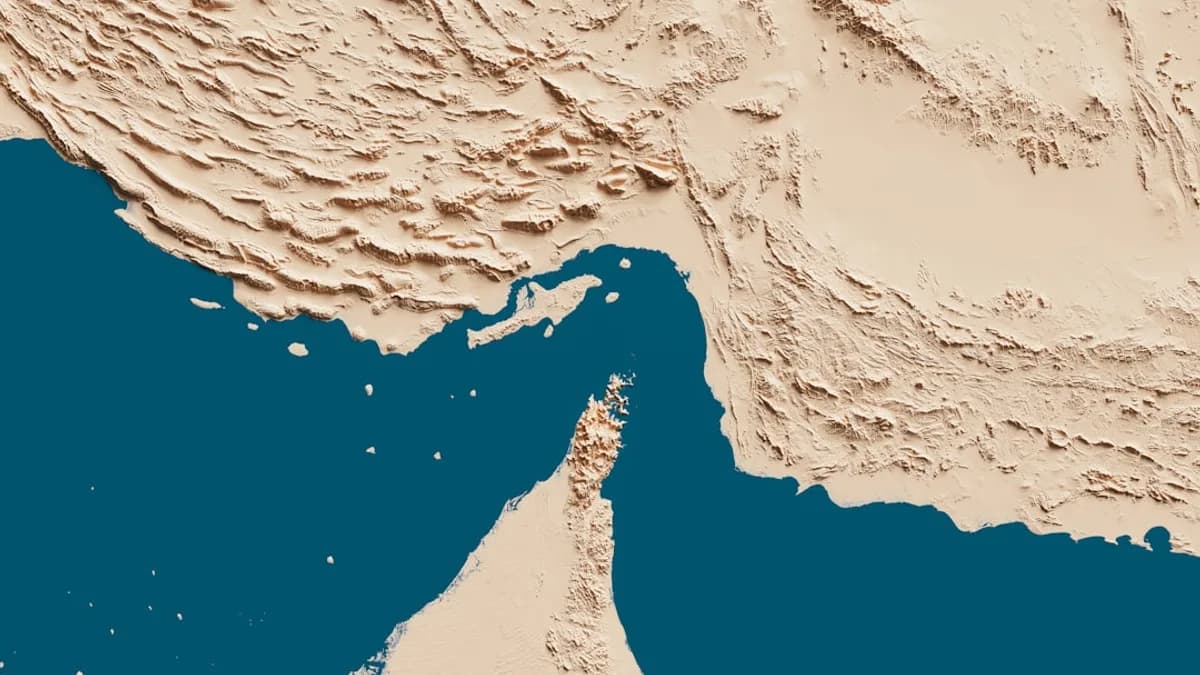
Escalation is already visible. Iranian naval patrols in the Strait of Hormuz surged by 40% in June, and oil tankers flagged to the UAE have faced increased inspections and delays. Gulf airspace is now crowded with surveillance drones, and Emirati ports are beefing up security. Diplomatic channels remain open, but trust is thin. Saudi Arabia, traditionally a mediator, has warned both sides against “destabilizing moves” but has little leverage as the Gulf’s security architecture fractures.
Flashpoints abound: a misstep in the Hormuz, a cyberattack on UAE pipelines, or an Iranian proxy strike in Yemen could send regional stability into freefall. The stakes aren’t limited to the Gulf—Europe and Asia depend on these supply routes for energy and have already begun contingency planning for disruptions.
How Changes in UAE’s Oil Policy Could Disrupt Global Energy Supply Chains
The UAE’s oil policy shift comes at a precarious moment for global supply chains. With nearly 4 million barrels per day flowing from Abu Dhabi, any disruption—whether from market decisions or geopolitical conflict—hits global prices hard. The country’s advanced infrastructure and proximity to the Strait of Hormuz (which handles one-fifth of the world’s oil shipments) amplify its influence.
Past OPEC disruptions offer a cautionary tale. In 2020, a brief Saudi-Russian price war sent Brent crude tumbling from $68 to $20 per barrel in weeks. When Iraq invaded Kuwait in 1990, oil prices doubled overnight, and shipping insurance rates spiked by 300%. If the UAE flexes its production muscle outside OPEC, it could flood the market or choke supply, depending on its strategic objectives.
Heightened tension with Iran raises the odds of physical disruptions. The Strait of Hormuz is a persistent chokepoint: in 2019, Iranian forces seized two tankers and sparked a 3% jump in oil prices within hours. Should the UAE become a proxy battlefield or embargo target, global supply routes could fracture. Energy traders are already pricing in risk premiums, and Asian refiners are seeking alternative sources to hedge against potential volatility.
For global industries, a UAE-driven supply shock could ripple beyond crude. Petrochemicals, plastics, and aviation fuel would face shortages and price spikes. The world’s energy transition plans—already under strain from Russia’s war in Ukraine—would encounter fresh hurdles.
What Investors and Global Markets Should Watch as the UAE Redefines Its Role
Investors need sharper radar for the UAE’s next moves. Key indicators: oil output figures, port activity levels in Abu Dhabi and Dubai, and signals from OPEC meetings (even if the UAE isn’t at the table). Watch for spikes in shipping insurance premiums—often a bellwether for rising risk. Defense spending and cross-border deal flows with US and Israeli firms could point to new priorities and risks.
Energy markets will likely see heightened volatility. Brent and WTI futures are already trading with wider spreads, anticipating potential supply shocks. Sovereign funds may pivot from oil to tech and security, reshaping regional investment flows. Partnerships that once hinged on OPEC unity could fracture, with Gulf states charting divergent courses.
US and Israeli foreign policy will respond in kind. Expect Washington to deepen military commitments and offer more advanced tech. Israel may push for expanded intelligence sharing and joint infrastructure projects. The UAE’s gambit—breaking from the old cartel, aligning with new powers—will force global players to rethink their strategies, from pipeline routes to diplomatic priorities.
For anyone exposed to Gulf energy or security risk, the message is clear: the old certainties are gone. Flexibility and vigilance will be essential as the UAE rewrites the playbook.
Impact Analysis
- The UAE’s OPEC departure could destabilize global oil supply and pricing.
- Strengthening US-Israel ties shifts regional alliances and security dynamics.
- Gulf states are moving away from oil dependency, changing the power balance.