Introduction: Setting the Stage for the Strait of Hormuz Standoff
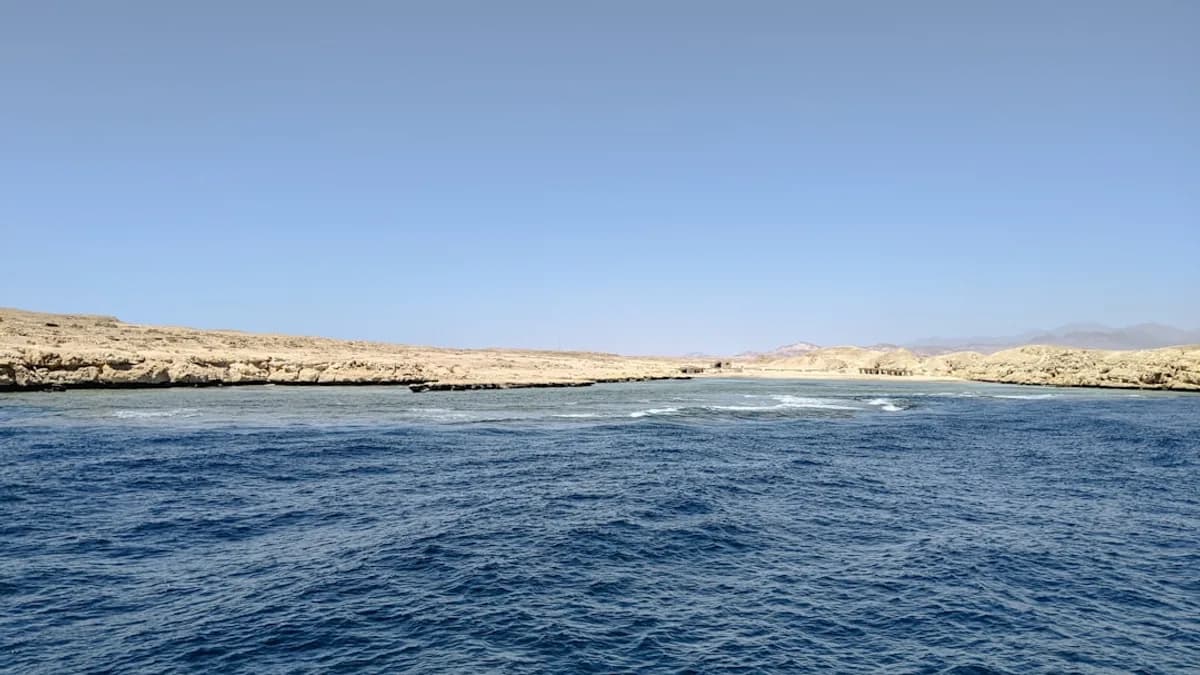
Recent tensions between the United States and Iran have once again thrust the Strait of Hormuz into the international spotlight. This narrow waterway, through which roughly a fifth of the world’s oil passes, is a linchpin for global energy security and geopolitics. The latest standoff began when President Trump attempted to reopen the strait following Iran’s outright rejection of a US-imposed blockade [Source: Source]. The move has prompted vigorous debate about American strategy, the balance of power in the Persian Gulf, and the potential ripple effects for energy markets worldwide. As both sides dig in, the Strait of Hormuz stands as a flashpoint, highlighting the complexities and high stakes of US-Iran relations.
Trump’s Miscalculation: Overplaying His Hand in the Strait of Hormuz
President Trump’s approach to the Strait of Hormuz crisis has been marked by a fundamental misreading of leverage and a series of strategic missteps. According to The Economic Times, the president overestimated both American military and diplomatic influence, believing that a hardline stance would compel Iran to acquiesce and global partners to rally behind US efforts [Source: Source]. Instead, Iran’s leadership swiftly rejected the US blockade, refusing to allow American warships and commercial vessels unfettered access to the strait. This resistance exposed the limits of US power in a region where both local and global actors have competing interests.
Diplomatically, the US failed to build a robust coalition. European allies, wary of escalation and economic fallout, hesitated to fully endorse Trump’s strategy, while regional players like Saudi Arabia and the UAE adopted a more cautious tone. The lack of consensus undermined Washington’s credibility and weakened its position at the negotiating table. Furthermore, Trump’s tendency to issue ultimatums without clear follow-through eroded trust among traditional partners and emboldened adversaries.
Militarily, the risks of confrontation were heightened by Iran’s asymmetric tactics: mine-laying, fast attack boats, and missile deployments. The US Navy’s formidable presence did not translate into decisive control—any attempt to forcibly reopen the strait risked a wider conflict that could disrupt oil flows and destabilize the global economy. Trump’s overconfidence, as reported by The Economic Times, not only failed to achieve the intended objectives but also triggered anxieties about the unpredictability of American policy in the Middle East [Source: Source].
Ultimately, the miscalculation has damaged US credibility. Allies question Washington’s ability to manage crises, adversaries test its resolve, and the region faces greater instability. The Strait of Hormuz episode serves as a cautionary tale about the dangers of overplaying one’s hand in a volatile geopolitical environment.
Domestic Reactions: Conservative Mockery and Political Fallout
While the international consequences of the standoff are profound, domestic reactions within the US have also been revealing. Conservative critics, including prominent voices in the media and political establishment, openly mocked Trump’s announcement regarding the Strait of Hormuz, as reported by Newsweek [Source: Source]. Skepticism centered on the president’s framing of the crisis as a triumph, despite clear evidence that Iran had rejected the blockade and the strait remained contested.
This intra-party dissent signals deeper divisions within the Republican ranks. Some conservatives argue that Trump’s foreign policy has become increasingly erratic, risking American interests and global stability. Others worry that the administration’s messaging—often bombastic and detached from reality—weakens the US negotiating position and emboldens adversaries. Public perception has shifted as well; polling suggests that voters are wary of military escalation and skeptical about claims of victory when results on the ground do not match the rhetoric.
The mockery and criticism underscore broader challenges Trump faces in articulating a coherent foreign policy. The Strait of Hormuz standoff has become a lightning rod for debates about competence, credibility, and the risks of unilateral action. As conservative voices join the chorus of skepticism, the political fallout could complicate Trump’s efforts to rally support for future initiatives in the region.
Trump’s Public Relations Strategy: Seeking Praise Amid Crisis
Faced with mounting criticism and a complex international crisis, President Trump has doubled down on his public relations strategy, seeking praise for his handling of Iran policy. As The New Republic highlights, Trump’s approach has been to aggressively promote his own narrative, touting successes and demanding recognition from allies and the media [Source: Source]. This effort, however, has collided with the realities of a standoff that remains unresolved and fraught with risks.
The effectiveness of this strategy is questionable. While Trump’s core supporters respond positively to strong messaging and claims of victory, the broader public—and foreign audiences—are more discerning. In an environment where facts are readily available and the consequences of miscalculation are severe, attempts to spin the crisis as a triumph ring hollow. The risk is that the disconnect between messaging and reality can further erode trust, not only among allies but also within the US political system.
Moreover, Trump’s appeals for praise have exposed vulnerabilities in his leadership style. Rather than focusing on measured diplomacy or pragmatic solutions, the administration appears fixated on optics and public approval. This approach is ill-suited to the complexities of the Persian Gulf, where strategic patience and realistic assessments are essential. The ongoing standoff, as The New Republic notes, has left Trump seeking validation even as the situation remains unresolved [Source: Source].
Ultimately, the public relations blitz has not changed the fundamental dynamics of the crisis. The gap between rhetoric and reality persists, raising questions about the administration’s capacity to manage escalating challenges in the region.
The Reality of Potential Conflict: Iran’s Position and Regional Dynamics
Iran’s rejection of the US blockade is not merely a diplomatic gesture—it is a statement of intent and a calculated risk in a region rife with tension. Tehran’s leaders have made clear that they will not yield to American pressure, and their actions indicate a willingness to confront US forces if necessary. This stance, as highlighted in PBS coverage, undercuts the Trump administration’s messaging by presenting a credible threat of conflict [Source: Source].
The reality is that any attempt to forcibly reopen the strait carries significant risks. Iran’s military capabilities, while not on par with the US, are tailored for asymmetric warfare: mines, missiles, and small boats can disrupt shipping and threaten energy supplies. The Persian Gulf is a crowded theater, and escalation could quickly draw in regional and global powers, with potentially catastrophic consequences for oil markets and economic stability.
Regional dynamics further complicate the situation. Gulf states are wary of conflict but rely on US security guarantees. European nations, dependent on energy flows, urge restraint and dialogue. Russia and China, meanwhile, see opportunities to expand their influence as US credibility wavers. The possibility of miscalculation is high; even a minor incident could spark broader hostilities.
PBS reporting emphasizes that the reality of a possible war fundamentally challenges the narratives advanced by the Trump administration [Source: Source]. The risks are not abstract—they are immediate and consequential. Iran’s posture is designed to deter intervention and signal resolve, while the US must balance deterrence with the imperative of avoiding escalation.
In sum, the standoff is a reminder of the limits of power in the Persian Gulf. Diplomacy, not bluster, is essential for preventing conflict and preserving stability. The Strait of Hormuz remains a flashpoint, and the risks of escalation demand serious, realistic engagement from all parties.
Conclusion: Lessons from the Strait of Hormuz Standoff and Future Outlook
The Strait of Hormuz crisis has illuminated the challenges of managing international conflict in a volatile region. President Trump’s attempts to reopen the strait amid Iran’s rejection of the US blockade have exposed the limits of American leverage and the dangers of overconfidence [Source: Source]. Domestic criticism and public relations efforts have failed to bridge the gap between rhetoric and reality, while the threat of conflict remains ever-present.
Measured diplomacy and realistic assessments must guide US policy moving forward. The lessons of this standoff are clear: unilateral action, strategic miscalculation, and messaging disconnected from facts carry significant risks. As the Persian Gulf remains a critical node in global energy and security, future US administrations will need to engage with allies, adversaries, and regional dynamics in a more thoughtful and effective manner. The world is watching, and the stakes could not be higher.