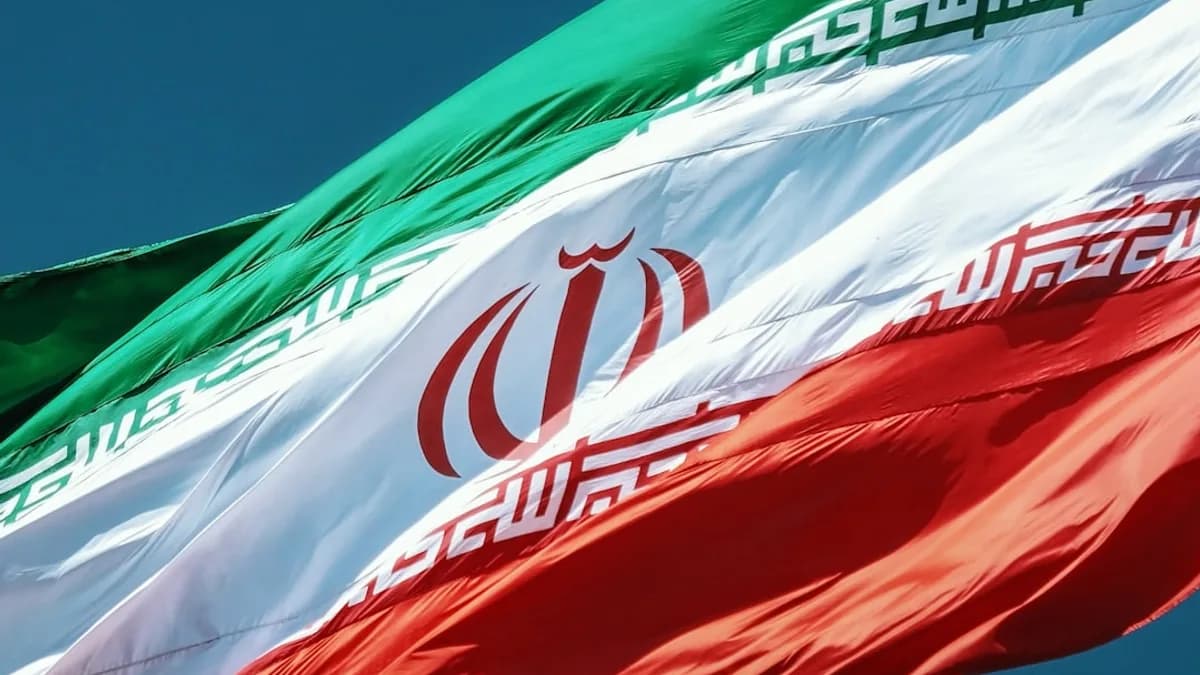
Introduction: The Fragile State of US-Iran Relations
Recent developments in US-Iran relations have once again underscored the fragility of diplomatic efforts in the region. Iran’s announcement that it is “far” from reaching a peace deal with the United States coincides with another closure of the Strait of Hormuz, a critical chokepoint for global energy transit [Source: Source]. This latest impasse comes amidst a backdrop of protracted negotiations, shifting alliances, and mounting regional tensions. Iranian officials have pointed to excessive US demands as a primary barrier to progress, while both sides remain locked in a cycle of mistrust and brinkmanship. The closure of the Strait signals not just a tactical move, but a reminder of how quickly regional stability can unravel. Against this backdrop, it is vital to analyze the underlying challenges and potential pathways forward as the world watches for signs of either reconciliation or escalation.
The Impasse in Negotiations: Understanding Iran’s Position
Iran’s assertion that the US is making “excessive demands” is a recurring theme in the diplomatic stalemate. According to Iranian officials, these demands have prevented the two sides from holding in-person talks, casting a shadow over even the most cautious optimism [Source: Source]. While some reports indicate “progress” in negotiations, Tehran has repeatedly flagged “many gaps” remaining and has declined to set a date for the next round of talks [Source: Source]. This reluctance is not merely a negotiating tactic; it reflects deep-rooted concerns about sovereignty, security, and domestic political pressures.
Within Iran, hardliners view concessions to the US as a threat to national pride and autonomy. The country’s political landscape is shaped by a complex interplay between pragmatic moderates and conservative factions, each with distinct views on how to engage with the West. The memory of past agreements, such as the 2015 nuclear deal, lingers in public discourse, often cited as evidence of Western unreliability. This skepticism is compounded by the impact of crippling sanctions, which have fueled economic hardship and social unrest.
Iranian leaders face a delicate balancing act: they must demonstrate resolve to domestic audiences while signaling openness to dialogue on the international stage. By emphasizing the “many gaps” and refusing to commit to further talks, Iran aims to maintain leverage, hoping to extract more favorable terms and avoid appearing weak. This strategy, however, risks prolonging the deadlock and heightening tensions, particularly given the volatile regional context.
The impasse is symptomatic of broader mistrust. Even as both sides acknowledge limited progress, the fundamental issues—sanctions relief, regional security guarantees, and nuclear program restrictions—remain unresolved. Until these obstacles are addressed, the prospect of meaningful dialogue will continue to be hindered by suspicion and strategic posturing.
The Strategic Importance of the Strait of Hormuz
The Strait of Hormuz is one of the world’s most vital maritime corridors, with nearly a fifth of global oil supply passing through its narrow waters. Its closure, whether partial or complete, reverberates through international markets, spiking energy prices and threatening supply chains [Source: Source]. For Iran, the strait is more than a geographic feature—it is a strategic lever in negotiations with the US and its allies.
Repeated closures of the Strait of Hormuz serve as stark reminders of Iran’s ability to influence regional dynamics. Each disruption signals the country’s willingness to escalate tensions if its interests are not met, particularly in response to perceived threats or diplomatic stalemates. While this tactic bolsters Iran’s bargaining position, it also carries significant risks. The international community, especially energy importers in Asia and Europe, view the strait’s instability with growing alarm. Such actions can invite punitive measures, including military responses or intensified sanctions, further isolating Iran.
Diplomatically, the closure of the strait complicates efforts to build trust. It reinforces narratives of Iranian intransigence, making it harder for US negotiators to justify concessions. Conversely, Iran presents these moves as necessary to defend its sovereignty and deter external aggression. Ultimately, the repeated use of the Strait as leverage underscores the high stakes involved and the intricate balance between tactical maneuvers and long-term strategic interests.
US Demands and Their Role in Prolonging the Conflict
A critical factor in the ongoing deadlock is the nature of US demands, which Iran characterizes as “excessive” and unrealistic [Source: Source]. These include calls for deep curbs on Iran’s nuclear activities, robust verification measures, missile program restrictions, and guarantees on regional behavior. While many of these demands stem from legitimate security concerns, their breadth and depth have contributed to a negotiating environment marked by mistrust and rigidity.
For international observers, the US approach sometimes appears maximalist, leaving little room for incremental progress or creative compromise. The insistence on sweeping concessions can inadvertently strengthen the position of Iranian hardliners, who argue that engagement with the West only leads to humiliation and further sanctions. Moreover, the US faces its own domestic constraints—political polarization, congressional skepticism, and electoral pressures all shape the contours of its foreign policy, making flexibility difficult.
Are these demands realistic? On one hand, Washington’s desire for a comprehensive, enforceable deal is understandable given past experiences of Iranian backsliding. On the other, the insistence on immediate and total compliance ignores the complexities of Iranian politics and the possibility of phased, confidence-building measures. The deadlock is not simply a function of substance, but of process: both sides have become locked in a dynamic where concessions are viewed as weakness rather than steps toward resolution.
Alternative approaches exist. The US could prioritize achievable goals, such as initial sanctions relief or limited nuclear restrictions, as a foundation for broader talks. Involving regional allies and multilateral frameworks could also help diffuse tensions and provide guarantees that address both sides’ concerns. Ultimately, progress requires a shift from maximalist demands to pragmatic, stepwise negotiations that build trust and demonstrate tangible benefits for all parties involved.
Prospects for Peace: Challenges and Opportunities Ahead
The path to a viable peace deal between the US and Iran is littered with obstacles. Chief among them are the persistent mistrust, competing regional interests, and the domestic political calculus in both countries. Each side faces significant internal resistance to compromise, with hardliners poised to exploit any perceived weakness. The repeated closure of the Strait of Hormuz heightens the risk of escalation, underscoring the urgency of diplomatic solutions [Source: Source].
Third-party mediators, such as the European Union or United Nations, could play a constructive role in bridging gaps and facilitating dialogue. Their involvement may help depersonalize the negotiations and introduce mechanisms for verification and enforcement. However, the success of mediation depends on the willingness of both sides to accept external input and the credibility of the mediators themselves.
If talks continue to stall, the risks are manifold: increased military confrontation, deeper economic isolation, and a broader regional conflict that could draw in multiple actors. The current impasse, if left unresolved, threatens not only the US and Iran but also the stability of the entire Middle East, with global repercussions.
A balanced, pragmatic path forward requires both sides to reconsider their negotiating strategies. Iran must signal genuine willingness to address international concerns, particularly around its nuclear program and regional activities. The US, in turn, should reassess its demands and adopt a phased approach that rewards incremental progress. Confidence-building measures—such as humanitarian exchanges or limited sanctions relief—could break the cycle of mistrust and demonstrate the benefits of engagement.
Ultimately, the prospects for peace depend on diplomatic flexibility, creative problem-solving, and a recognition that neither side can achieve all its objectives at once. The stakes are too high for continued brinkmanship; what is needed is a sustained, patient commitment to dialogue and compromise.
Conclusion: Navigating a Complex Path to Stability
The stalled US-Iran negotiations and repeated closure of the Strait of Hormuz highlight the precarious nature of regional stability [Source: Source]. Both sides face significant challenges—political, strategic, and economic—that make progress difficult but not impossible. Diplomatic flexibility and mutual understanding are essential to overcoming entrenched mistrust and opening the door to reconciliation.
As tensions simmer and the risk of escalation grows, renewed efforts from both the US and Iran are crucial. The international community must support creative, balanced solutions that address legitimate security concerns while offering tangible incentives for cooperation. Only by navigating this complex path with patience and resolve can the region move closer to lasting stability and peace.