Introduction: Urgent Search and Rescue Operations Near Saipan
The US Coast Guard is conducting an urgent search and rescue mission after spotting an overturned vessel near Saipan, a remote island in the Western Pacific. The discovery comes amid heightened concern for a missing cargo ship and its crew, whose disappearance coincided with the passage of a monstrous Category 5 typhoon through the region [Source: Source]. The incident underscores the challenges faced by maritime authorities operating in one of the world's most storm-prone areas, where severe weather can rapidly escalate into life-threatening emergencies. As search teams mobilize, questions remain about the fate of the missing ship and the potential link between extreme weather and maritime disasters.
Details of the Overturned Vessel and Search Efforts
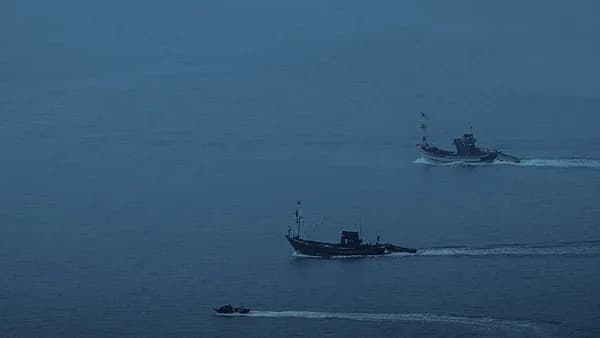
The US Coast Guard reported sighting the overturned vessel during an extensive operation aimed at locating a missing cargo ship that vanished in waters near Saipan [Source: Source]. The vessel, found capsized and partially submerged, has become the focal point of the search, which now spans hundreds of square nautical miles across the Pacific. Coast Guard cutters and aircraft have been deployed to comb the area, working in coordination with local authorities and international maritime partners.
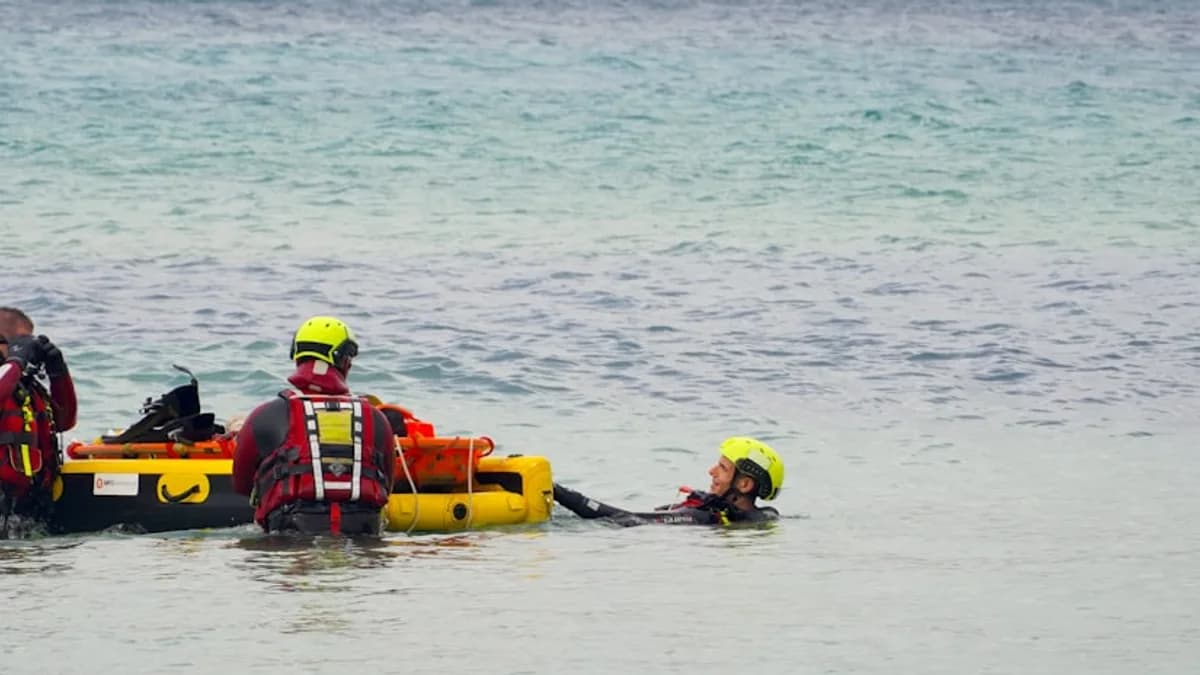
At this stage, the identities and exact number of individuals aboard the overturned ship remain unclear. However, it has been confirmed that six crew members are unaccounted for and presumed missing in connection with the incident [Source: Source]. Rescue teams are racing against time, battling unpredictable currents and debris left in the wake of the typhoon, to locate any survivors. Dive teams have been dispatched to investigate the vessel, searching for signs of life or clues that may explain the circumstances leading to its capsizing.
Initial attempts to contact the missing ship using radio and satellite communications have been unsuccessful, raising fears that the crew may have been caught off guard by the sudden onset of severe weather. The US Coast Guard has emphasized the urgency of the mission, with search assets remaining on high alert as the investigation continues. Meanwhile, families of the missing crew members await updates, hoping for a breakthrough in the challenging rescue operation.
Impact of Category 5 Typhoon on Maritime Safety
The search for the missing ship and its overturned vessel comes in the immediate aftermath of Super Typhoon Sinlaku, which recently struck US territories in the Pacific with catastrophic force [Source: Source]. Sinlaku, classified as a Category 5 storm—the highest level on the Saffir-Simpson scale—brought sustained winds exceeding 160 mph and torrential rains, making it the second-strongest typhoon so early in the year according to climate experts [Source: Source]. The storm’s path directly impacted the waters surrounding Saipan and Guam, creating treacherous conditions for maritime traffic and severely disrupting shipping routes.
Typhoons of Sinlaku’s caliber are rare but increasingly frequent, posing significant hazards to commercial and passenger vessels alike. The extreme wind and wave action generated by the storm are believed to have played a role in the capsizing of the cargo ship, as well as the disappearance of its crew. Maritime authorities noted that the typhoon’s rapid intensification and unpredictable course made it difficult for ships to seek safe harbor or adjust their navigation plans in time.
In addition to the immediate risks posed to vessels, the storm left behind a trail of debris, damaged infrastructure, and altered coastal conditions. Ports in Saipan and Guam have reported heavy damage, with several vessels stranded or rendered inoperable. The aftermath of the typhoon has complicated rescue efforts, as Coast Guard teams contend with hazardous waters, limited visibility, and logistical challenges in accessing remote search areas.
The incident highlights the vulnerability of maritime operations in the Pacific, where seasonal storms have historically caused shipwrecks and loss of life. With climate patterns suggesting an uptick in early-year typhoon activity, authorities are facing renewed pressure to enhance safety protocols, improve forecasting, and invest in more resilient search and rescue capabilities.
Regional Weather and Its Role in the Incident
Following the passage of Super Typhoon Sinlaku, weather conditions in the Saipan and Guam region have stabilized, with forecasts calling for partly sunny skies and moderate temperatures in the coming days [Source: Source]. However, the lingering effects of the storm—including rough seas, residual wind gusts, and floating debris—continue to pose significant challenges for search and rescue teams.
Meteorologists anticipate a gradual improvement in visibility and navigability, which may aid ongoing search operations. Saturday’s forecast predicts a high near 64°F, enabling aerial reconnaissance and marine patrols to expand their coverage [Source: Source]. Despite these favorable conditions, the risk of sudden weather changes remains, requiring constant vigilance among authorities and vessels operating in the area.
The broader implications for maritime travel safety are underscored by this incident. As typhoon seasons intensify and extend, ship operators and port authorities must adapt to evolving weather patterns, ensuring readiness for rapid evacuations and emergency response. The US Coast Guard and international partners are reviewing protocols to address gaps in communication and contingency planning, aiming to prevent similar tragedies in the future.
Response from Authorities and Next Steps
In the wake of the overturned vessel’s discovery, the US Coast Guard issued statements reaffirming its commitment to the search and rescue mission. “Our priority is locating the missing crew and providing any necessary assistance,” said a spokesperson, emphasizing coordination with local and international agencies [Source: Source]. Joint operations have been established with the Navy, Guam Homeland Security, and regional partners to maximize resources and expertise.
Planned actions include continued aerial and marine sweeps, deployment of underwater search technologies, and engagement with nearby vessels to gather additional information. The Coast Guard has requested assistance from commercial shipping operators in the area, urging heightened awareness and reporting of any sightings or debris.
Local authorities in Saipan and Guam have mobilized emergency response teams, providing logistical support and shelter for affected families. The US Coast Guard also plans to review satellite imagery and weather data to pinpoint potential drift patterns and improve search accuracy. International maritime organizations are monitoring the situation, offering technical support and guidance as the operation unfolds.
Conclusion: Ongoing Risks and the Importance of Vigilance
The sighting of an overturned vessel near Saipan has cast a spotlight on the persistent risks facing maritime crews in the Pacific, particularly during periods of extreme weather. With six individuals still missing and search operations ongoing, the human impact of this tragedy is felt deeply by families and communities reliant on seaborne trade and travel [Source: Source].
As authorities contend with the aftermath of Super Typhoon Sinlaku, the incident serves as a stark reminder of the challenges posed by nature’s most powerful forces. Enhanced vigilance, improved forecasting, and robust emergency response remain essential to safeguarding lives and property in the region. The US Coast Guard’s efforts continue, and updates will follow as the situation develops—underscoring the importance of preparedness and resilience in the face of mounting maritime threats.