Why Trump’s Confidence in the Strait of Hormuz Standoff May Be Overstated
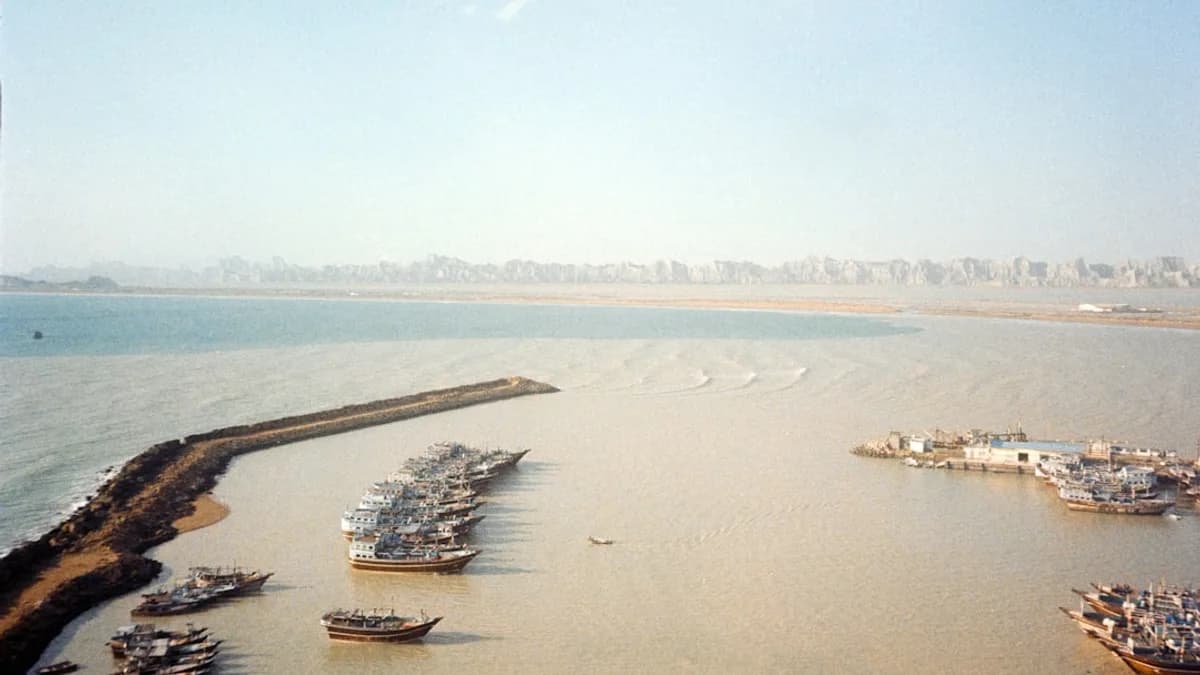
Donald Trump isn’t bluffing when he projects swagger over the Strait of Hormuz standoff—but he’s not holding a royal flush, either. The world’s most important oil chokepoint is a geopolitical powder keg, not a one-way show of U.S. force. Roughly 20% of global oil passes through those narrow waters, and no aircraft carrier strike group can change the fact that geography gives Iran home-field advantage. Trump’s public bravado, as covered by Al Jazeera, signals confidence, but it risks underestimating the complexity of the confrontation.
History should be a warning. In 2019, Iranian mines and drones crippled tankers and oil facilities in the Gulf, exposing how quickly the cost of miscalculation can spiral. Iran doesn’t need to win a head-to-head fight or sink a U.S. warship; it only needs to make global energy markets flinch. Underestimating asymmetric threats and Tehran’s regional web of influence isn’t just naïve—it’s dangerous. The Strait’s volatility isn’t a test of who shouts loudest, but of who understands the real levers of power.
Analyzing Iran’s Strategic Leverage in the Strait of Hormuz Conflict
Tehran’s military playbook is built for denial, not domination. Iran’s navy, while no match for U.S. blue-water fleets in open combat, is optimized for the Strait. Over 1,000 fast-attack boats, many armed with anti-ship missiles, are designed to swarm, harass, and overwhelm larger adversaries. Iran’s coastal missile batteries—some with ranges exceeding 300 kilometers—can target ships transiting the bottleneck with lethal precision. In 2019, a U.S. Navy RQ-4 drone costing $220 million was shot down by an Iranian surface-to-air missile, a reminder that American technology isn’t invulnerable.
But the real threat isn’t just hardware—it’s Iran’s capacity to roil markets with minimum effort. Even a temporary disruption could spike oil prices by $10-20 per barrel, sending shockwaves through energy-dependent economies from Beijing to Berlin. Every major insurer would hike premiums, and just the threat of mines or attacks can paralyze shipping. The 1980s "Tanker War" saw hundreds of commercial vessels damaged, and the region’s infrastructure is even more critical today—there’s no viable alternative route for that volume of crude.
Iran’s asymmetric edge extends onshore. Its network of proxies, including the Houthis in Yemen and Hezbollah in Lebanon, can open second and third fronts, stretching U.S. resources thin and raising the cost of escalation. These groups have already demonstrated capabilities with attacks on Saudi oil facilities and Red Sea shipping lanes. Tehran can wage a shadow war while denying direct responsibility, muddying international response and complicating Washington’s calculus.
Limitations of U.S. Military Power and Diplomatic Influence in the Region
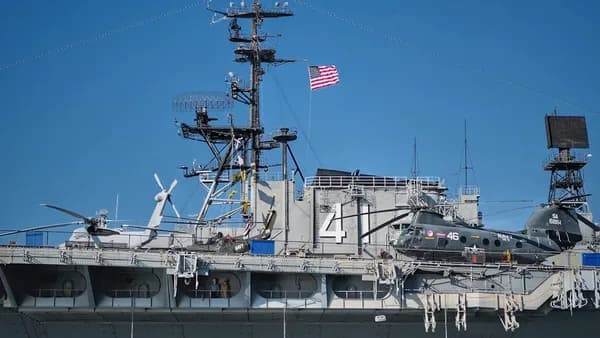
The Pentagon’s dominance is real—but not absolute. Sustaining a heavy naval footprint in the Strait is a logistical and political grind. Every deployment strains the U.S. Navy’s operational tempo, and the risk of a single missile or mine causing mass casualties or a high-profile loss carries enormous political baggage back home. American commanders can deter large-scale Iranian moves but can’t shield every tanker from sabotage or guerrilla tactics.
Regional politics are a drag anchor. Saudi Arabia and the UAE depend on U.S. security guarantees but are reluctant to be seen as Washington’s attack dogs. Qatar, Oman, and Kuwait maintain delicate ties with both sides and have little appetite for an all-out confrontation. The 2023 China-brokered Saudi-Iran rapprochement highlighted how the U.S. grip on Gulf alliances has loosened. Meanwhile, European allies may back sanctions, but few are willing to commit ships or share the risks of confrontation.
The greatest danger is escalation by accident. The Strait’s crowded, high-stress environment means false alarms and mistakes are routine. A stray missile, a misidentified patrol boat, or a drone malfunction could turn a tense standoff into a shooting war. The 1988 downing of Iran Air Flight 655 by the USS Vincennes, which killed 290 civilians, remains a grim example of how quickly tragedy can unfold when nerves are frayed and trigger fingers itch.
Acknowledging Arguments Supporting Trump’s Assertive Stance on Iran
There’s an argument for keeping the pressure high. A muscular U.S. presence has deterred some of Iran’s most reckless ambitions in the past. Decades of economic sanctions have battered Iran’s economy, slashing oil exports from 2.5 million barrels per day in 2018 to below 1 million at times. Diplomatic isolation, coordinated with European and Asian partners, amplifies military deterrence. Projecting resolve also reassures jittery Gulf partners and keeps global shipping lanes open—key priorities for the White House and Wall Street alike. Without credible threat of force, Iran might test limits further, betting that Washington will blink.
Why a Measured Approach Is Crucial to Avoid Escalation in the Strait of Hormuz
Sabers can only rattle for so long before someone gets cut. The smarter play is coupling military readiness with urgent diplomacy—direct channels with Tehran, even if via backdoor intermediaries, and active engagement with regional powers and global consumers. A multilateral approach, involving the EU, China, and major crude importers, would distribute risk and dilute Iran’s sense of being cornered.
Overconfidence is the kindling for strategic blunders. Betting that the U.S. “holds all the cards” risks sleepwalking into a regional conflagration no one can control. Washington should remember: the Strait of Hormuz is less a chessboard than a minefield. The next move should be made with eyes open, allies close, and an exit plan in hand.
Impact Analysis
- Disruption in the Strait of Hormuz threatens 20% of global oil supply, impacting energy prices worldwide.
- Iran's asymmetric capabilities make the region volatile, challenging assumptions of U.S. military dominance.
- Misjudging the balance of power could escalate conflict and trigger broader regional instability.