Iranian Foreign Minister Officially Denies Upcoming Nuclear Talks with US
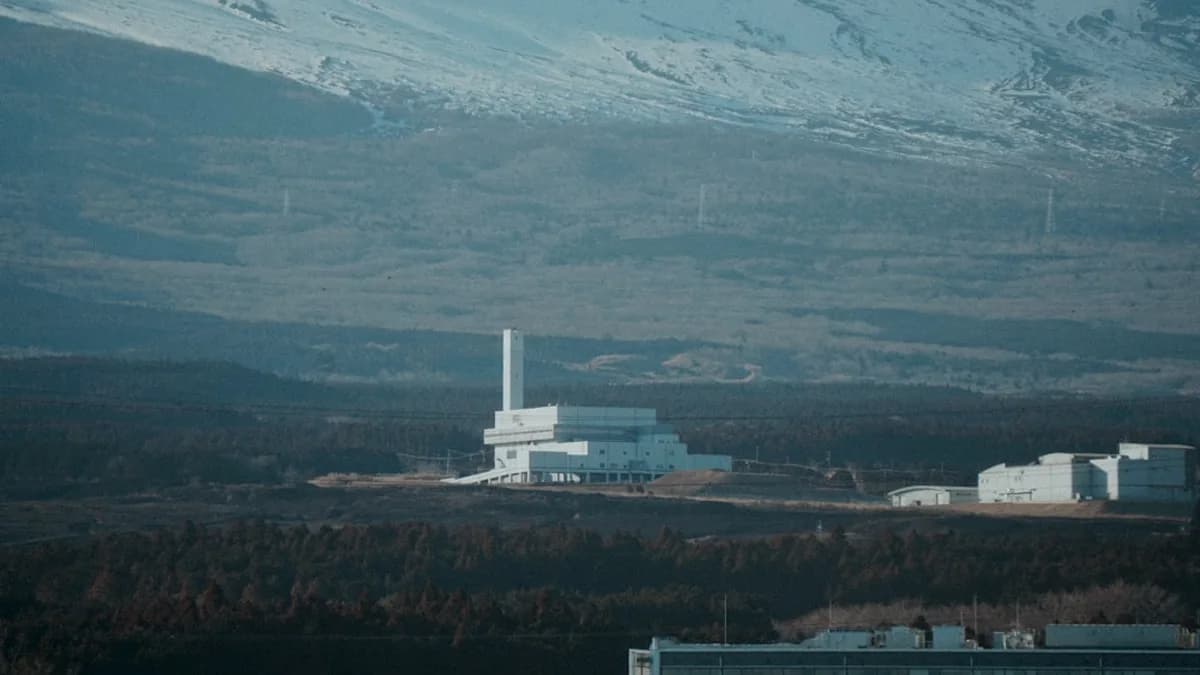
Iranian Foreign Minister Hossein Amir-Abdollahian shut down speculation of fresh nuclear negotiations with the United States, telling reporters there are no talks planned—private or official—between Tehran and Washington. The statement comes as European diplomats and UN officials scramble to defuse tensions over Iran’s expanding nuclear program and the region’s escalating security risks, according to CryptoBriefing.
Timing couldn’t be more fraught. Last week, the IAEA confirmed Iran has enriched uranium far beyond the 3.67% cap agreed in the 2015 Joint Comprehensive Plan of Action (JCPOA), with new stockpiles approaching 60% purity—just shy of weapons-grade. The Biden administration has kept diplomatic lines open, even as US sanctions continue to choke Iran’s oil exports and banking sector. Rumors of backchannel contacts had raised hopes for a thaw, but Amir-Abdollahian’s remarks put those firmly to rest.
US-Iran relations remain locked in a cycle of threats and counter-moves. Washington’s “maximum pressure” sanctions campaign still bites, while Tehran’s regional proxies—in Lebanon, Syria, and Yemen—keep risk premiums high for investors and governments. The absence of dialogue signals no relief on the horizon, with both sides digging in ahead of Iran’s upcoming presidential election.
How the Halt in US-Iran Nuclear Dialogue Impacts Regional Stability and Global Markets
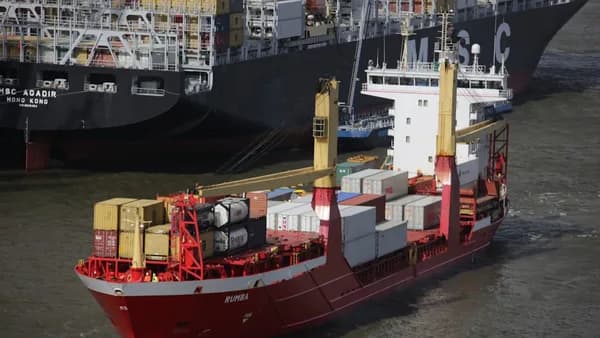
Diplomatic deadlock between Washington and Tehran raises the temperature across the Middle East, fanning concerns of escalation. Israel has already threatened preemptive action if Iran crosses the weapons-grade threshold, and Gulf states remain on high alert for proxy flare-ups. In April, Iranian-backed Houthis ramped up attacks on Red Sea shipping, disrupting global supply chains and pushing crude prices above $90 per barrel for the first time since October.
Oil markets are hypersensitive to Middle East risk. The lack of US-Iran talks removes a stabilizing force, driving up volatility. In 2018, when the US withdrew from the JCPOA and reimposed sanctions, Brent crude spiked 50% in the following year. Investors now brace for a repeat, especially with OPEC+ production cuts already constraining supply and inventories running thin in Europe and Asia.
Global equity and bond markets aren’t immune. Iranian saber-rattling—paired with Western sanctions—has a track record of spooking emerging market assets and strengthening the dollar as a safe haven. In 2020, after the US killing of Qassem Soleimani, emerging market ETFs saw $1.7 billion in outflows in just one week. The current vacuum in diplomacy could trigger similar moves, with the specter of miscalculation or accidental conflict looming larger.
Regional governments are recalibrating. Saudi Arabia, which last year restored diplomatic ties with Iran in a China-brokered deal, is now hedging its bets—reaching out to Washington while quietly building backdoor channels to Tehran. The EU, desperate to keep the JCPOA on life support, has little leverage left, with Russia and China showing scant interest in playing mediator as their own standoffs with the West deepen.
What to Expect Next: Future Prospects for US-Iran Nuclear Negotiations and Diplomatic Moves
With official talks off the table, expect both sides to test the limits through indirect moves and pressure tactics. Tehran may ramp up uranium enrichment to leverage future negotiations, betting that rising Western anxiety will force concessions. The US, for its part, is likely to tighten sanctions on Iranian oil exports—already down 1.5 million barrels per day since 2018—but stop short of direct confrontation before the November presidential election.
Watch for third-party mediation attempts. Qatar and Oman have hosted secret US-Iran contacts before; any sudden flurry of shuttle diplomacy or statements from these states could signal a thaw. The IAEA’s next quarterly report in September will be a crucial indicator—if inspectors flag new technical violations, expect markets and governments to react quickly.
The wild card remains escalation on the ground. Any attacks on US assets in Iraq or Syria, or a major incident in the Strait of Hormuz, could force both sides into crisis talks—or nudge them closer to open conflict. For investors, the signals are clear: keep an eye on Brent crude futures, insurance costs for regional shipping, and defense stocks, all of which tend to move first when diplomacy falters.
Impact Analysis
- The lack of US-Iran nuclear talks heightens regional security risks and potential for conflict.
- Disrupted Middle East supply chains are pushing up global oil prices, impacting economies worldwide.
- Continued diplomatic deadlock reduces chances for easing sanctions and stabilizing Iran’s economy.