Why Rising US-Iran Tensions Could Destabilize Global Security
US-Iran tensions ratcheted up again last week, threatening to ignite the kind of regional instability that spooks oil markets and puts global security on edge. The US denied reports of an Iranian strike on its Navy, while former President Trump shot down Iran’s 14-point proposal for renewed negotiations — a double blow to diplomatic hopes, according to CryptoBriefing.
These standoffs aren’t just Middle Eastern drama. They ripple through the world’s supply chains, energy prices, and diplomatic chessboards. The Strait of Hormuz — through which a fifth of global oil passes — sits squarely between the two sides. Even rumors of attacks trigger pricing spikes: Brent crude jumped 7% after the 2019 drone strike on Saudi oil facilities, which the US blamed on Iran.
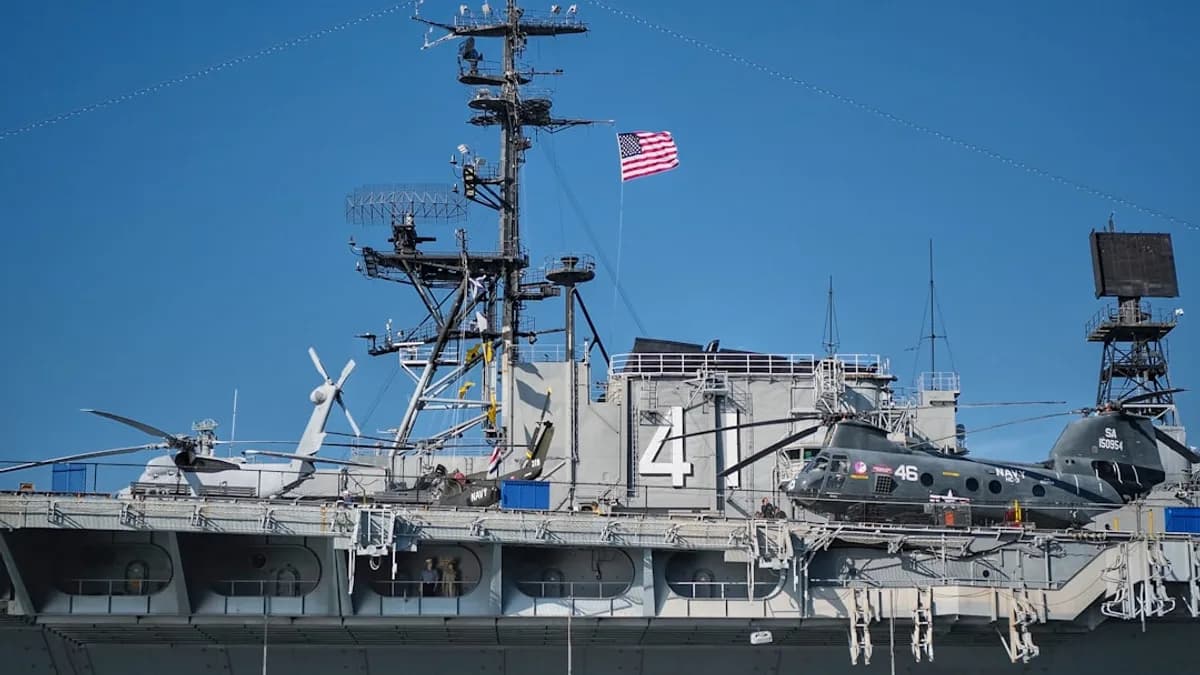
The stakes are bigger than headlines. US military deployments in the region have surged, with the Pentagon sending an additional carrier strike group after attacks on commercial vessels. Iran’s regional proxies, from Hezbollah to Houthi forces, dial up missile launches and cyber ops whenever tensions flare. The risk isn’t just direct conflict; it’s the possibility of a miscalculation that draws in other powers — Russia, China, even European states with naval assets in the Gulf.
Diplomatic backchannels are drying up. The likelihood of a new nuclear deal is plummeting, and the risk of a wider war — or economic disruption — is climbing. When Washington and Tehran lock horns, the fallout isn’t contained to the Middle East. It shakes the global order.
What Led to the US Denial of the Alleged Iranian Navy Strike?
The latest flashpoint: reports surfaced that Iranian forces targeted a US Navy vessel patrolling near the Persian Gulf. Iranian state media claimed a successful strike, but Pentagon officials quickly dismissed the story as “fabricated,” insisting no US assets were hit.
Why does the US deny so strongly? For one, acknowledging a successful Iranian attack could force a military response, raising the stakes for escalation. The US has a history of downplaying or refuting incidents that might demand retaliation — a tactic seen in previous Gulf incidents, such as the 2022 drone harassment of US ships, which officials labeled “non-lethal interference.”
Conflicting narratives muddy the waters for international diplomacy. When each side spins its own version, allies and rivals alike are left guessing. In 2019, after oil tankers were sabotaged in the Gulf, conflicting claims delayed coordinated action and triggered insurance premiums in maritime shipping to jump by over 30%. The ambiguity creates room for miscalculation — a wrong move, a misunderstood signal, and the situation can spiral.
The US denial isn’t just about optics; it’s a calculated move to avoid being boxed into escalation. But the risk is that, without clear facts, both sides might misjudge each other’s intentions. The world watches, but the truth remains murky — and that uncertainty is a threat in itself.
Why Did Former President Trump Reject Iran’s 14-Point Plan and What Does It Mean?
Iran’s 14-point plan, offered as a path to restoring diplomatic contacts and easing sanctions, was swiftly rejected by Trump. The plan included phased sanctions relief, limits on enrichment activity, and regional security guarantees, plus increased transparency in Iran’s nuclear program. It was the most detailed overture since the collapse of the JCPOA in 2018.
Trump’s refusal wasn’t just personal politics. The 14-point plan clashed with longstanding US demands for “zero enrichment” and elimination of Iranian ballistic missile programs. Trump, who made “maximum pressure” his Iran policy centerpiece, viewed any compromise as capitulation. Domestic politics played a role: support for a hard line against Iran remains strong among key Republican constituencies, and Trump’s base sees negotiation as weakness.
This rejection slams the door on nuclear talks for the foreseeable future. Iran’s leadership, already skeptical after repeated US withdrawals from agreements, now faces little incentive to return to the table. European diplomats have warned that the window for negotiations is closing fast; French foreign minister Catherine Colonna said in May that “time is not on our side,” referencing Iran’s uranium stockpile now exceeding JCPOA limits by over 15-fold.
The fallout: Iran continues expanding its nuclear capabilities, while the US tightens sanctions. The possibility of a new deal — or even informal talks — is dwindling. The rejection signals a shift to confrontation, not compromise.
How Could These Developments Affect the Future of the Iran Nuclear Deal?
The Iran nuclear deal, once hailed as a diplomatic win, is now on life support. The original JCPOA, inked in 2015, curbed Iran’s nuclear activity in exchange for sanctions relief. After the US withdrew in 2018, Iran gradually ramped up enrichment; inspectors now estimate uranium stockpiles at over 4,500 kg, enough for several warheads if fully enriched.
Recent tensions and Trump’s rejection of Iran’s overture make revival unlikely. Talks brokered by European states in 2022 stalled after Iran demanded immediate sanctions relief, while the US insisted on stricter controls. The new standoff — with military incidents and diplomatic snubs — raises the risk that both sides abandon the deal entirely.
If the deal collapses, expect snapback sanctions and renewed pressure on Iran’s economy. In 2019, US sanctions cut Iranian oil exports by nearly 80%, slashing government revenues and fueling domestic unrest. The nuclear issue isn’t isolated: it ties into regional missile programs, proxy conflicts, and cyber operations.
There’s a chance — albeit slim — for last-minute diplomacy. The Biden administration keeps backchannel lines open, but each new crisis makes compromise harder. If Iran crosses the threshold for weapons-grade enrichment, Israel and Gulf states may push for military strikes, setting off a chain reaction. The nuclear deal’s future now hinges on whether both sides can step back from the brink.
What Are the Broader Military and Geopolitical Risks of Escalation Between the US and Iran?
Military escalation in the Persian Gulf is not theoretical — it’s happened before, with costly consequences. Take the January 2020 killing of Iranian General Qasem Soleimani: Iran responded with missile strikes on US bases in Iraq, injuring over 100 US personnel and triggering a brief spike in oil prices of 4%. The incident nearly drew regional powers into open conflict.
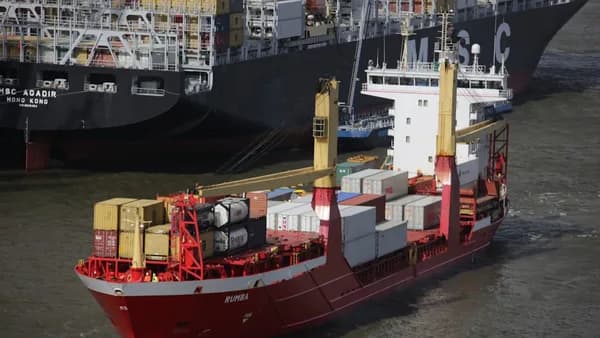
The Gulf is a tinderbox. US warships patrol near Iranian territory, while Iranian speedboats and drones probe for weakness. Commercial shipping is vulnerable; insurance premiums for tankers operating in the area have soared, and Lloyd’s of London now rates the Strait of Hormuz as “high risk.” A single misfire could close the strait, disrupting a fifth of global oil flows and sending prices surging.
International actors complicate the equation. Russia backs Iran diplomatically, especially as US-Russia relations deteriorate over Ukraine. China buys Iranian oil and opposes US sanctions, while Europe tries — and often fails — to mediate. The UN Security Council is gridlocked, with vetoes blocking action.
Diplomatic solutions exist, but they require both sides to accept face-saving measures. The Oman Channel, used in past negotiations, is still open. Track-two diplomacy, involving retired officials and academics, keeps communication alive. But every new incident makes formal talks harder.
The practical takeaway: investors should closely monitor Gulf shipping data, energy traders must hedge for price spikes, and diplomats need to prepare for “red phone” moments. The risk isn’t just war, but a cascade of disruptions that could reshape the global order. Watch for signals — troop movements, new sanctions, backchannel leaks — that hint if escalation is coming or cooling.
The Stakes
- Escalating US-Iran tensions threaten to destabilize global oil markets and push energy prices higher.
- Reduced diplomatic channels increase the risk of miscalculation and wider regional conflict involving other global powers.
- Disruptions around the Strait of Hormuz could impact global supply chains and economic stability far beyond the Middle East.