Prepare for Your 80-Mile Mountain Run by Choosing the Right Lightweight Gear
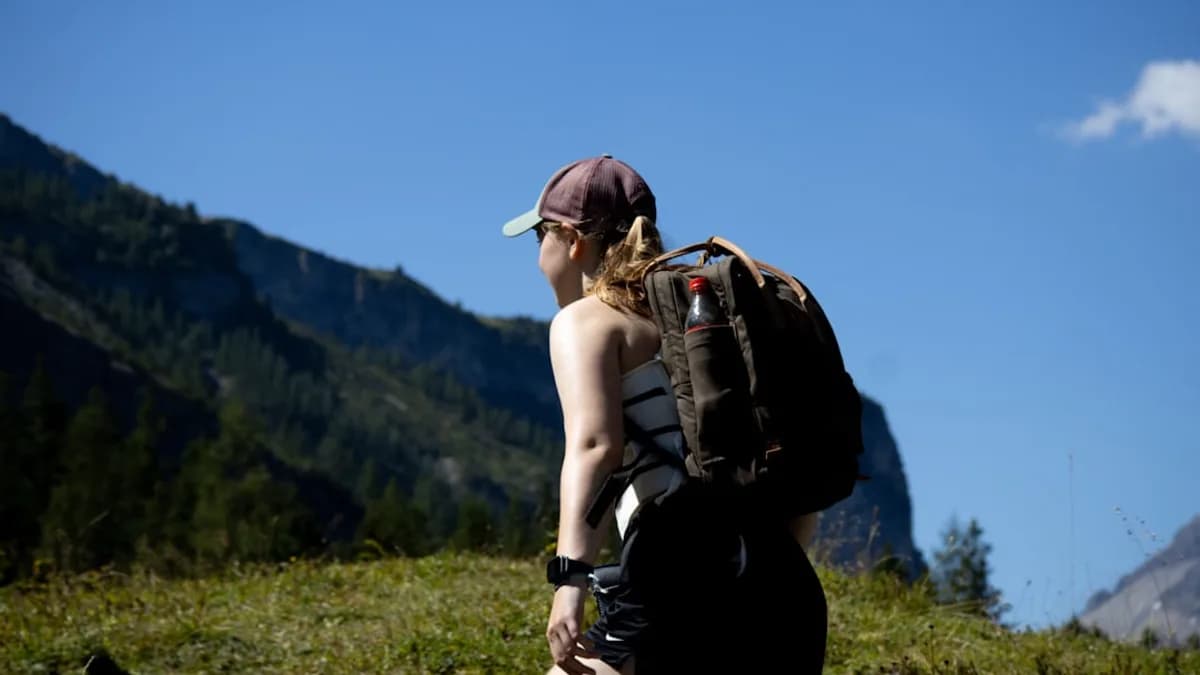
Everything you need to survive an 80-mile run across Italy’s Apennine Mountains fits into a 10-pound pack—if you’re ruthless about what makes the cut. Dropping pack weight isn’t a vanity metric; it’s the difference between finishing strong or slogging through the final miles with shredded quads and blistered feet. Elite mountain runners regularly cut ounces from every item, knowing that each extra pound can cost minutes per mile and sap crucial energy reserves. Categories are non-negotiable: hydration, nutrition, clothing, safety, and navigation. Multi-functional gear wins every time—a windbreaker that doubles as a rain shell, or a buff that serves as sun protection and a neck warmer.
The target: keep your pack under 10 pounds, including water and food. That’s the threshold most seasoned ultra-distance runners use, according to Wired. Anything heavier, and you’ll pay for it on steep climbs and technical descents. The Apennines aren’t forgiving: elevation gain hits 17,000 feet, temperatures swing from chilly dawns to sun-baked afternoons, and remote stretches mean you’ll carry everything you need. This is the kind of packing challenge that rewards obsessive planning and brutal honesty about necessity.
Select and Organize Essential Hydration and Nutrition Supplies for Endurance
Hydration is the first make-or-break category. Soft flasks (500ml) stashed in front-pack pockets allow quick sips without losing stride. Don’t default to a bladder system—those are bulkier, harder to refill, and make tracking intake tricky. For an 80-mile route, plan to carry 1.5-2 liters at any given time, refilling at mountain springs or refuges marked on your map. Research shows runners need roughly 500-800ml per hour in warm conditions; err on the higher side for exposed Apennine stretches.
Nutrition: skip bulky bars and gels in favor of calorie-dense, easily digestible fuel. Dried fruit, nut butter packets, and high-carb chews deliver 100-200 calories each with minimal bulk. Target 250-300 calories per hour—so for a 20-hour run, you’ll need 5,000-6,000 calories. Pack quick-access pouches for emergency snacks; stashing food deep in your bag costs precious time and can lead to skipped fueling windows. Organize your supplies so you can grab them mid-stride: front pockets for frequent snacks, a zip pouch for heavier food reserves.
Water replenishment is a logistical priority. Mark all reliable refill spots on your route (mountain huts, streams, villages) and carry purification tablets or a squeeze filter. A single missed water stop can derail your run. Experienced mountain runners often pre-load route GPX files with water sources to avoid surprises.
Pick Weather-Appropriate Clothing and Footwear to Stay Comfortable and Protected
Mountain weather is unpredictable—especially in the Apennines, where temperatures can swing 30°F in a single afternoon. Start with a base layer of lightweight, moisture-wicking fabrics (synthetic or merino) to keep sweat off your skin. Add a mid-layer for warmth, such as a thin fleece or insulated vest. For shell protection, a packable windbreaker and rain jacket are mandatory; the best options weigh under 6 ounces and compress to fist size.
Trail running shoes need aggressive tread and rock plate protection. Models like the Salomon Speedcross or Hoka Speedgoat balance grip with comfort for technical terrain. Most runners opt for shoes half a size larger to accommodate swelling over long distances. Socks should be anti-blister, moisture-wicking, and tested in advance—never gamble with unproven footwear.
Accessories round out your kit: a sun hat with UPF rating, lightweight gloves for chilly mornings or sudden storms, and a buff for dust, sun, or warmth. Rain gear isn’t just insurance: Apennine storms can arrive with zero warning, and hypothermia remains a real risk. Every item should be tested on training runs—don’t trust gear you haven’t sweat through yourself.
Equip Yourself with Safety and Navigation Tools to Handle Mountain Challenges
Safety gear is non-negotiable on remote mountain runs. Pack a minimalist first aid kit: bandages, blister pads, painkillers, and antiseptic wipes. For navigation, carry a physical topographic map in a waterproof sleeve, plus a GPS device or smartphone app with offline maps (like Gaia GPS). Runners often use dual navigation—paper and digital—since battery failure or sudden rain can wipe out electronics.
Emergency signaling is critical. A whistle weighs less than an ounce but can alert rescuers if you’re injured or lost. Compact headlamps with spare batteries are essential for pre-dawn starts or late finishes—choose models with at least 150 lumens and water resistance. Add a lightweight emergency bivy (under 4 ounces) for unexpected overnight stops or severe weather.
Prepare for terrain hazards: loose scree, sudden drop-offs, or wild animal encounters. Know the nearest exit routes and have a backup plan for evacuation. Apennine mountain rescue teams respond quickly, but only if you can signal and pinpoint your location. Always share your run plan and estimated finish time with a contact before heading out.
Pack Efficiently to Maximize Space and Maintain Easy Access During Your Run
Packing isn’t just about what you bring—it’s how you carry it. Compression sacks shrink clothing and sleeping gear to a fraction of their size. Packing cubes keep categories organized and prevent frantic searching. Distribute weight evenly: heavy items low and close to your back, lighter gear up top and outwards. This reduces strain and improves balance, especially on technical climbs.
Frequently used items—hydration, snacks, navigation tools—go in accessible pockets. Don’t bury your map or headlamp when storms can strike in minutes. Regularly review your pack during training runs: remove anything unused, tweak placement for comfort, and test access in real conditions. The best runners treat pack organization as a living system—constantly refined based on experience.
Watch for common mistakes: overpacking “just in case” items, losing gear in deep pockets, or letting weight drift above 10 pounds. Every ounce counts, and poor organization can cost time or safety.
Recap Key Packing Strategies to Successfully Complete Your 80-Mile Mountain Run
Packing for an 80-mile mountain run means striking a balance: every item must earn its place, and every ounce matters. Preparation and ruthless organization are your best allies. Test all gear on training runs, refine your system, and customize your kit for your own needs and route specifics. The Apennines will punish poor planning, but reward runners who dial in their gear and stay agile. If you’re aiming for your own ultra-distance challenge, start by trimming your pack, practicing access, and trusting only proven gear. The finish line—and your legs—will thank you.
Key Takeaways
- Proper gear selection and pack weight are crucial for endurance and performance on challenging mountain runs.
- Choosing efficient hydration and nutrition systems can prevent fatigue and improve finish times during ultra-distance events.
- Preparation for variable conditions and terrain in the Apennines is essential for safety and success.