Introduction: Trump's Recent Statements on Iran
In a series of recent public remarks, former U.S. President Donald Trump declared that he has "good news" regarding Iran, sparking widespread speculation about the possibility of a breakthrough in the long-standing conflict between the two nations. Trump’s announcement, made both in public appearances and on social media, comes at a time of heightened tensions and intermittent hostilities involving Iran and the United States. Despite the optimistic tone, there has been no official confirmation or details from either the U.S. or Iranian governments regarding any concrete peace deal or significant diplomatic agreement. This lack of clarity has left analysts and observers questioning both the substance and intent behind Trump’s statements, as well as their potential impact on the precarious regional situation [Source: Source].
Background: The Current State of Iran-US Relations and Conflict
To understand the significance of Trump’s "good news" claim, it is crucial to contextualize it within the broader, often fraught, history of Iran-U.S. relations. Over the past several years, the two countries have been locked in a cycle of hostility, marked by economic sanctions, military skirmishes, and diplomatic standoffs.
Tensions escalated sharply after the U.S. unilaterally withdrew from the Joint Comprehensive Plan of Action (JCPOA), commonly known as the Iran nuclear deal, in 2018. This move was followed by waves of crippling economic sanctions imposed by the Trump administration, severely impacting Iran’s economy and further souring bilateral relations. In response, Iran gradually rolled back its commitments under the nuclear deal and increased its uranium enrichment activities, raising alarm in Western capitals.
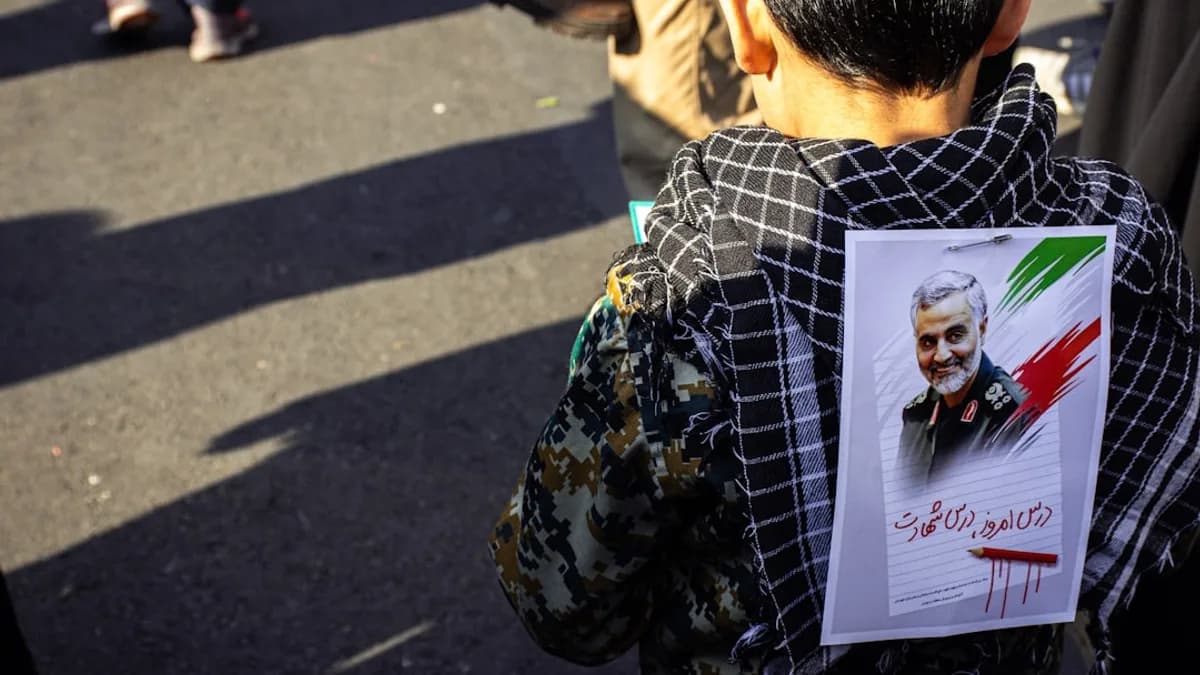
The conflict reached a boiling point in January 2020, when a U.S. drone strike killed Iranian General Qassem Soleimani near Baghdad International Airport. Iran retaliated with missile strikes on U.S. bases in Iraq, bringing the two countries to the brink of direct war. Since then, both sides have engaged in sporadic confrontations, including attacks on oil tankers, cyber warfare, and proxy battles across the Middle East.
Efforts to revive the nuclear deal and de-escalate tensions have seen limited progress, with negotiations often stalling over issues such as sanctions relief, regional security, and Iran’s missile program. Against this backdrop, any suggestion of a diplomatic breakthrough naturally draws intense scrutiny from both regional actors and the international community [Source: Source].
Analyzing Trump's Optimism: What Does 'Good News' Mean?
Trump’s assertion of "good news" on Iran has been delivered with characteristic optimism, both in media interviews and on his social media platforms. He has repeatedly framed the situation as moving toward resolution, fueling speculation about the nature and substance of this purported progress. However, Trump has provided no specifics, and there has been no corroborating evidence from current U.S. officials or independent sources.
Observers have drawn parallels between Trump’s current rhetoric and past political moments, most notably President George W. Bush’s infamous "mission accomplished" declaration during the Iraq War—a statement that was later widely criticized as premature and misleading [Source: The Guardian]. Trump’s messaging may serve several purposes: projecting strength to his supporters, shaping the narrative ahead of possible negotiations, or distracting from ongoing challenges in other policy areas.
Some analysts suggest that the former president’s optimistic statements could be aimed at influencing the diplomatic agenda or even pressuring current policymakers to adopt a more conciliatory stance. However, without concrete developments, such messaging risks raising false expectations or undermining ongoing negotiation efforts [Source: Source].
Tehran's Response and Regional Reactions
Iranian officials have responded to Trump’s remarks with caution and a degree of skepticism. Tehran has yet to issue any formal statement confirming talks of a peace deal or any significant diplomatic breakthrough. Iranian state media has downplayed the significance of Trump’s comments, instead emphasizing Iran’s continued commitment to its national interests and resistance to external pressure [Source: Al Jazeera].
Regional actors, including Gulf Arab states and Israel, are closely monitoring the situation but have thus far refrained from making definitive statements. Internationally, European leaders and United Nations officials have urged restraint and emphasized the importance of sustained dialogue rather than unilateral declarations. The cautious response from Tehran and other stakeholders reflects a broader wariness: after years of on-again, off-again diplomacy, few are willing to take bold claims at face value without concrete evidence of progress [Source: Source].
Implications for Peace and Future Diplomacy
While any hint of diplomatic progress is welcome, significant challenges remain before a formal peace deal or lasting de-escalation can be achieved between Iran and the United States. The two sides remain divided on key issues, including the extent of sanctions relief, the future of Iran’s nuclear program, and the country’s regional activities.
Negotiations to restore the nuclear deal have repeatedly stalled, largely due to mutual distrust and domestic political pressures on both sides. Iran seeks concrete guarantees that future U.S. administrations will not withdraw from agreements as abruptly as in 2018, while the U.S. and its allies want stronger assurances about Iran’s compliance and a broader discussion of regional security concerns.
Public statements—especially those made without substance or coordination—can complicate these delicate diplomatic efforts. Announcements of "good news" that do not materialize risk eroding trust and credibility, both between negotiating parties and with the international community. Experts warn that effective diplomacy requires not only careful negotiation behind closed doors but also responsible public communication that manages expectations and avoids unnecessary escalation.
Nevertheless, recent developments suggest there may still be opportunities for renewed dialogue, particularly if global and regional powers can play a constructive mediating role. The involvement of the European Union, Russia, and China in previous negotiations indicates that multilateral engagement remains a viable pathway, provided both Washington and Tehran are willing to compromise [Source: Source].
Conclusion: What to Watch Next in the Iran Conflict
The current situation between the United States and Iran remains fluid and uncertain. While Trump’s statements of "good news" have injected a note of optimism into an otherwise tense standoff, the absence of concrete details or official confirmation leaves many questions unanswered. Key scenarios include the potential for renewed negotiations and gradual de-escalation, or, conversely, a return to heightened hostilities if diplomatic efforts falter.
Observers should closely monitor official communications from both the U.S. and Iranian governments, as well as assessments from independent international organizations. As the situation develops, credible sources and measured analysis will be essential in distinguishing genuine diplomatic breakthroughs from political messaging or wishful thinking. Ultimately, the prospect of peace hinges not on optimistic declarations, but on sustained, good-faith negotiations and pragmatic compromise [Source: Source].