Introduction: The Strategic Importance of the Strait of Hormuz
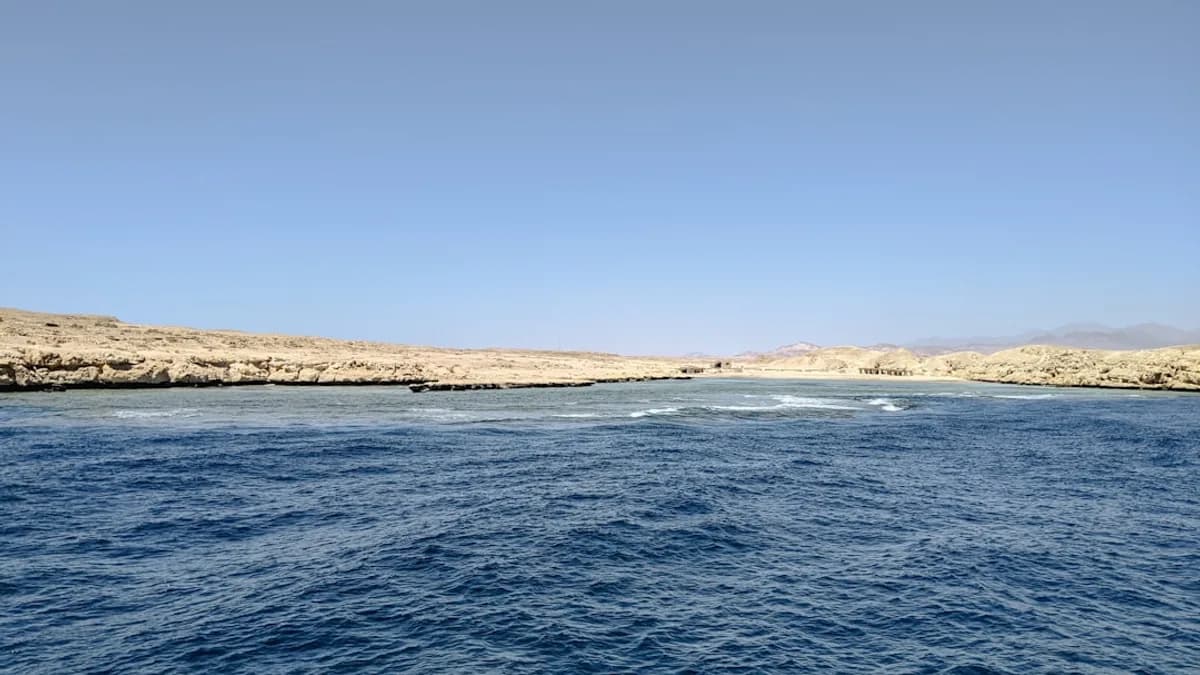
Few maritime passages are as geopolitically significant as the Strait of Hormuz. This narrow waterway, situated between Oman and Iran, serves as a vital transit route for nearly a third of the world’s seaborne oil shipments, making it an indispensable artery for global energy supplies. Any disruption, whether due to conflict or political maneuvering, reverberates through international markets and threatens to destabilize economies far beyond the Middle East. Recent tensions—sparked by a US blockade on Iranian ports and conflicting reports regarding the strait’s accessibility—have underscored its vulnerability. As world leaders and traders closely monitor the situation, divergent narratives about the strait’s operational status amplify uncertainty, raising the stakes for regional stability and international commerce [Source: Source].
Trump’s Assertion vs. Ground Realities
President Donald Trump’s claim that the Strait of Hormuz is “completely open” was intended to reassure global markets and maritime operators. However, the reality on the ground—or at sea—appears far more complex. While the president’s statement projects confidence, multiple news outlets have reported ongoing confusion and restricted navigation. Video footage has surfaced showing ships turning away from the strait, suggesting that the passage is anything but fully operational [Source: Source].
This disparity between official rhetoric and actual conditions poses significant risks. For international shipping companies, uncertainty about the strait’s status translates into rerouting vessels, higher insurance premiums, and delays in oil deliveries. Regions reliant on Gulf oil imports are left in limbo, unable to plan logistics with any certainty. The mixed messaging also undermines regional stability, as stakeholders—including Gulf states, Iran, and Western powers—struggle to interpret each other’s actions and intentions. In an environment where a single miscalculation could escalate into broader conflict, clarity is paramount. Yet, the conflicting narratives only deepen the sense of unpredictability and risk [Source: Source].
Iran’s Response and Regional Implications
Iran, for its part, has responded vigorously to the US blockade, warning that it may close the strait if American restrictions on Iranian ports persist [Source: Source]. Such a move would have far-reaching consequences, not only for oil flows but also for the broader Middle East crisis. Tehran’s threat is a stark reminder of the region’s volatility, where economic warfare and brinkmanship can quickly spill over into military confrontation.
Should Iran follow through on its warning, the global oil supply chain would face immediate disruption. Prices could surge, triggering inflation and economic hardship across energy-dependent nations. The possibility of escalation—whether through naval skirmishes or attacks on shipping—would further destabilize the Middle East, drawing in external powers and heightening the risk of wider conflict. In this context, the blockade serves as both a tactical lever and a potential flashpoint, magnifying the stakes for all parties involved. The specter of closure looms large over the region, as policymakers and market participants weigh the risks and search for solutions [Source: Source].
Economic Ramifications: Market Reactions and Oil Trading
The uncertainty surrounding the Strait of Hormuz has not gone unnoticed by global markets. In anticipation of potential disruptions, traders have placed a staggering $760 million bet on falling oil prices ahead of the Hormuz announcement [Source: Source]. This counterintuitive move reflects the expectation that, despite the blockade and threats, oil prices might decline if the strait remains open or geopolitical tensions de-escalate.
Such speculative trading amplifies market volatility. Even rumors or ambiguous statements can trigger swings in prices, with investors scrambling to hedge against risk or capitalize on sudden shifts. The broader uncertainty has seeped into investor sentiment, making it difficult to distinguish between genuine supply threats and temporary fluctuations. As market participants react to news from the strait, the interplay of speculation and reality can drive prices in unexpected directions, affecting everything from household fuel costs to national energy strategies.
Opinion: The Need for Clear Communication and Diplomatic Engagement
At the heart of this crisis lies a failure of clear communication. When official statements conflict with observable realities, trust erodes—not only among international partners, but also within global markets. The current situation in the Strait of Hormuz exemplifies the dangers of mixed messaging. President Trump’s assertion of an “open” strait is contradicted by video evidence and reports of ships turning away, creating confusion among shippers, insurers, and investors [Source: Source].
In such high-stakes environments, transparency is not merely a virtue—it is a necessity. Ambiguity breeds miscalculation, and miscalculation in the Gulf can have catastrophic consequences. Policymakers must recognize that their words carry weight far beyond domestic audiences; they shape the decisions of global actors whose livelihoods depend on accurate information. Failure to communicate clearly risks not only economic disruption but also military escalation, as parties misinterpret each other’s intentions.
This moment calls for renewed diplomatic engagement. The US blockade on Iranian ports, while aimed at exerting pressure, has pushed the region to the brink. Iran’s threat to close the strait is a reminder that coercive tactics rarely produce lasting security. Instead, dialogue—however fraught—remains the only sustainable path to de-escalation. International bodies, including the United Nations and maritime organizations, should play a central role in mediating between Washington and Tehran, fostering transparency and guaranteeing safe passage for commercial vessels.
Ultimately, the world cannot afford a prolonged crisis in the Strait of Hormuz. The risks—economic, political, and military—are too great. It is incumbent upon leaders to prioritize stability and openness, recognizing that their actions are intertwined with the fortunes of billions. Clear communication, grounded in facts rather than rhetoric, is the first step. Diplomacy must follow, with all parties committed to resolving disputes without recourse to force or blockade.
Conclusion: Navigating a Path Forward Amid Uncertainty
The ongoing blockade and conflicting narratives about the Strait of Hormuz underscore the precariousness of global energy security. As ships hesitate to traverse the passage and traders bet on volatile oil prices, the world is reminded of the risks inherent in geopolitical brinkmanship [Source: Source]. Policymakers must act decisively to restore stability, prioritizing open sea lanes and transparent communication. The stakes are not limited to the Gulf; they extend to every economy and household reliant on affordable energy. Navigating a path forward will require courage, restraint, and a renewed commitment to diplomacy. Only by confronting uncertainty with clarity and cooperation can the world avoid the worst outcomes—and secure the vital flows that underpin global prosperity.