Introduction: Understanding the Midwest Tornado Outbreak
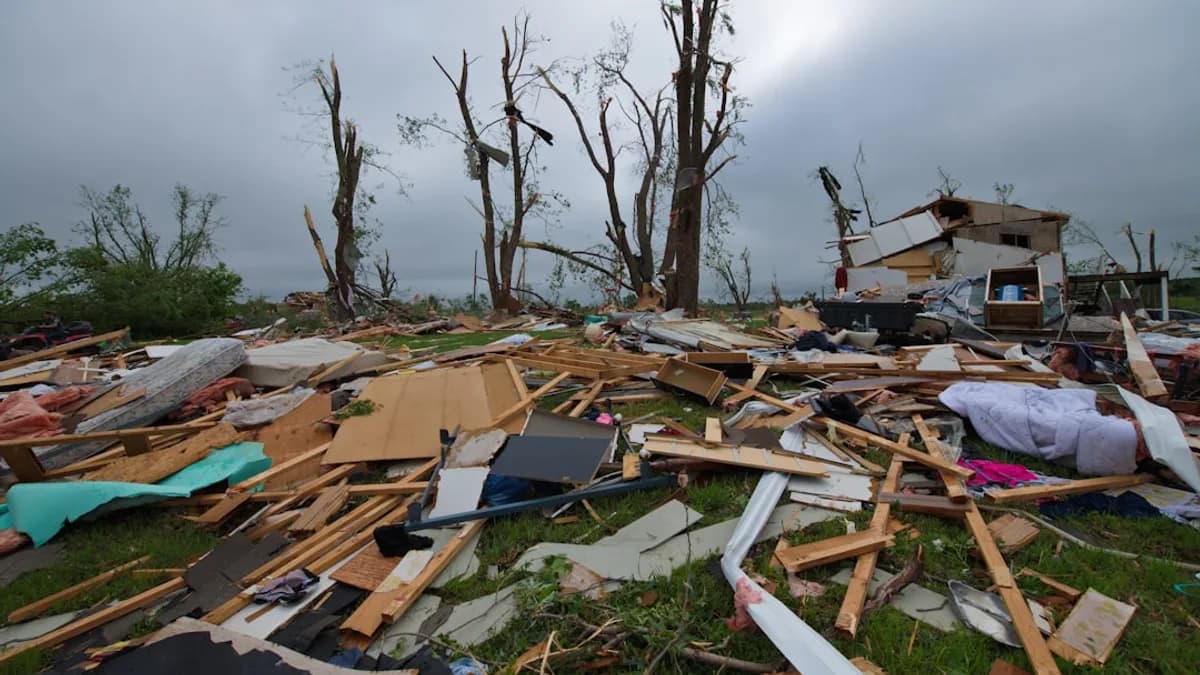
Over the past week, the Midwest has faced a series of powerful storms, with tornadoes touching down from Oklahoma to Illinois and millions of residents at risk of severe weather. Reports from major news outlets indicate that these tornadoes have caused significant damage, disrupted communities, and prompted widespread warnings for life-threatening conditions [Source: Source]. The frequency and intensity of storms in this region highlight not only the destructive potential of tornadoes but also the crucial need for preparedness and quick response.
This article serves as a practical guide for individuals and families living in tornado-prone areas. By understanding how to prepare before a tornado strikes, recognize warning signs, stay safe during the event, and respond effectively afterward, you can help protect yourself and your loved ones from harm. Staying informed and ready is key to weathering these storms and minimizing their impact.
How to Prepare Before Tornado Season
Preparation is the foundation of tornado safety. Taking proactive steps before tornado season can significantly improve your chances of staying safe and recovering quickly if disaster strikes.
Create a Family Emergency Plan
Start by developing a comprehensive family emergency plan. This should include:
- Communication Strategy: Ensure all family members know how to contact each other during an emergency. Designate an out-of-town contact for updates in case local phone lines are down.
- Meeting Points: Establish safe meeting locations both inside and outside your home, as well as an offsite spot in case evacuation is necessary. Make sure children and elderly family members understand the plan.
Assemble a Tornado Emergency Kit
Prepare a kit with essential supplies to sustain your family for at least 72 hours:
- Bottled water (at least one gallon per person per day)
- Non-perishable food items (canned goods, energy bars)
- First-aid supplies (bandages, antiseptics, medications)
- Flashlights and extra batteries
- Portable phone chargers
- Important documents (IDs, insurance papers) in a waterproof container
- Blankets and sturdy shoes
Check your kit regularly to ensure all items are in working order and replace expired food or medications.
Identify Safe Shelter Locations
Knowing where to shelter is crucial. At home, the safest place is typically a basement or a small, windowless interior room on the lowest floor—such as a bathroom or closet. If you work or attend school in a tornado-prone area, ask about emergency plans and safe zones. Practice tornado drills so everyone knows how to react quickly.
Stay Informed with Reliable Weather Alerts
Reliable information is vital. Sign up for local weather alerts via text, email, or smartphone apps from trusted sources like the National Weather Service. Invest in a NOAA weather radio, which can provide continuous updates even when power is lost. Familiarize yourself with local siren systems and emergency notification procedures [Source: Source].
By preparing ahead of time, you can reduce panic and confusion when storms hit, ensuring your family is ready to act quickly.
How to Recognize Tornado Warning Signs
Recognizing the signs of an impending tornado can make all the difference in response time. Tornadoes often develop rapidly, so early detection is essential.
Visual Cues
- Dark, Greenish Skies: Unusual sky colors, especially greenish hues, often signal severe thunderstorms capable of spawning tornadoes.
- Wall Clouds and Funnel Clouds: Watch for low, rotating clouds or visible funnel shapes descending from the sky.
- Flying Debris and Sudden Calm: Debris swirling in the air and an eerie calm after intense wind can precede a tornado.
Auditory Signs
- Loud Roar or Rumble: Many survivors describe tornadoes as sounding like a passing freight train—a deep, continuous roar that grows louder as the tornado approaches.
Understanding Weather Alerts
- Tornado Watch: Indicates conditions are favorable for tornadoes. Stay alert and monitor updates.
- Tornado Warning: Means a tornado has been spotted or indicated by radar. Take shelter immediately.
Using Technology to Track Storm Developments
Smartphone apps, weather radios, and local media are valuable tools for tracking storms in real time. Many weather apps can send push notifications for watches and warnings, helping you stay one step ahead [Source: Source].
By learning to identify these warning signs and leveraging technology, you can act swiftly to protect yourself and your family.
How to Stay Safe During a Tornado
When a tornado warning is issued, immediate action is critical. Following proven sheltering strategies can drastically reduce your risk of injury or death.
Immediate Actions
- Move quickly to your pre-identified shelter area.
- Alert family members and help those who may need assistance, such as young children, elderly relatives, or people with disabilities.
Proper Sheltering Techniques
- Basement: The safest option, as it offers protection from flying debris and collapsing structures.
- Interior Rooms: If a basement isn’t available, choose a small, windowless room or hallway at the lowest level of your home.
- Avoid Windows and Exterior Walls: Flying glass and debris pose significant threats. Use mattresses, heavy blankets, or even your emergency kit to shield yourself.
Caught Outdoors or in a Vehicle
- Outdoors: Seek shelter in a sturdy building. If none is available, lie flat in a low-lying ditch or ravine, covering your head and neck.
- Vehicle: Do not try to outrun a tornado. If possible, park safely, buckle up, and crouch below the windows, covering yourself with a blanket or coat. Avoid overpasses, which can create wind tunnels and increase danger.
Protecting Pets and Vulnerable Family Members
Ensure pets are brought into your shelter area, ideally secured in carriers. Assist those with mobility challenges, and keep calm to reduce panic during the event.
By following these guidelines, you maximize your safety during the most dangerous moments of a tornado [Source: Source].
How to Respond After a Tornado
Once the threat has passed, your immediate focus should be safety, communication, and documentation.
Check for Injuries and Administer First Aid
Assess yourself and family members for injuries. Provide basic first aid as needed, and seek medical attention for serious wounds. Remember to check pets and neighbors, especially those who may need extra help.
Avoid Hazards
- Downed Power Lines: Stay clear of any electrical wires or poles, as they may still be live.
- Unstable Structures: Avoid entering damaged buildings until authorities confirm they are safe.
- Gas Leaks: If you smell gas or suspect a leak, evacuate immediately and notify emergency services.
Communicate with Emergency Services and Loved Ones
Contact local authorities to report injuries, hazards, or missing persons. Use text messages or social media to reach loved ones, as phone lines may be overwhelmed.
Documenting Damage for Insurance and Recovery Assistance
Take photos or videos of property damage for insurance claims. Keep records of expenses related to repairs and recovery. Reach out to local disaster relief agencies for assistance with temporary shelter, financial aid, or counseling [Source: Source].
Effective post-tornado response helps families recover faster and ensures communities can rebuild with resilience.
Conclusion: Building Resilience Against Future Tornadoes
Tornado outbreaks like those recently seen in the Midwest are a stark reminder of the importance of ongoing preparedness and education [Source: Source]. By staying informed, practicing safety drills, and connecting with community resources, individuals and families can protect themselves and support each other during severe weather events.
Share this knowledge with neighbors and loved ones, and encourage vigilance as tornado season continues. Building resilience together ensures safer, stronger communities in the face of nature’s most unpredictable challenges.