
Introduction: Understanding the 'America Reads the Bible' Event
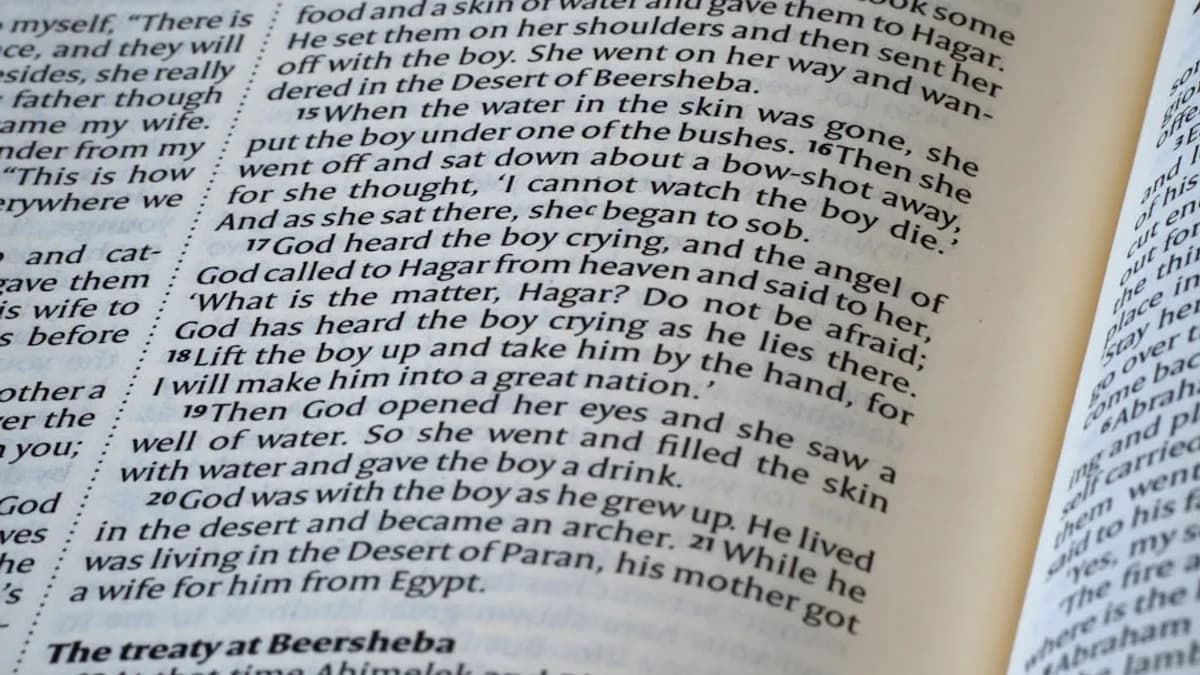
Washington, D.C. is preparing for a unique public display of faith: a marathon Bible reading event titled "America Reads the Bible." Nearly 500 religious, civic, and political leaders will gather in the nation’s capital to read the entire Bible aloud over the course of one week. Among these participants is former President Donald Trump, whose upcoming scripture reading from the Oval Office is drawing significant attention, especially given recent controversy surrounding his relationship with Christian communities [Source: Source].
The event is notable not only for its scale but also for its intersection of religious and political spheres. By bringing together prominent figures and everyday citizens, "America Reads the Bible" seeks to underscore the enduring influence of scripture in American public life. Whether viewed as a spiritual act, a civic tradition, or a political gesture, the marathon reading promises to spark conversations across the country about faith, leadership, and unity.
How to Participate in a Marathon Bible Reading Event
Joining a marathon Bible reading event can be a powerful way to connect with your faith and community. Here’s a step-by-step guide for those interested in participating—whether locally or nationally.
1. Find a Bible Reading Marathon Near You:
Start by searching for events in your area. The "America Reads the Bible" marathon is a national event, but similar gatherings are often organized by churches, faith-based organizations, or community groups. Websites of major religious associations, local church bulletins, and platforms like Eventbrite or Facebook are useful for discovering upcoming events.
2. Register as a Participant:
Most marathon readings require advance registration. This ensures a structured schedule and gives organizers time to assign scripture passages. Registration forms may be available online or at participating institutions. Be prepared to provide basic information, such as your contact details and preferred time slots. Some events may also ask about your familiarity with public speaking or scripture reading.
3. Understand the Schedule and Structure:
Marathon Bible readings typically follow a predetermined schedule, with participants assigned specific passages and time blocks. Events may run continuously over several days, and slots can range from a few minutes to an hour. Review the schedule carefully, noting your reading time and any instructions regarding arrival, attire, or conduct.
4. Prepare for Your Reading:
Once registered, familiarize yourself with the assigned passage. Practice reading aloud to improve comfort and clarity. If the event is virtual, ensure your internet connection and audio setup are reliable. For in-person readings, check venue details, parking, and accessibility. Organizers may provide tips or rehearsal opportunities.
5. Engage Respectfully and Support Others:
Arrive early, listen attentively to other readers, and participate with reverence. Events often encourage a supportive atmosphere, fostering a sense of unity and shared purpose.
Participating in a marathon Bible reading is not only a spiritual experience but also an opportunity to join a larger conversation about faith in public life—especially when high-profile figures, like Donald Trump, join in [Source: Source].
How to Prepare for Reading Scripture Aloud Effectively
Reading scripture in a public or virtual setting can be both exhilarating and daunting. Here’s how to ensure your reading is impactful:
1. Select and Familiarize Yourself with the Passage:
If you’re given a choice, select passages you connect with deeply. If assigned a section, read it several times and research its context. Understanding the message and tone will help you convey it authentically.
2. Practice Clear and Expressive Reading Techniques:
Good preparation is key. Read your passage aloud, focusing on clarity and pronunciation. Use expressive inflection to highlight key points and emotions—scripture often contains powerful narratives and poetic language. Record yourself or rehearse with a friend to receive feedback.
3. Manage Nerves and Engage Your Audience:
Public speaking can be nerve-wracking, but preparation helps. Take deep breaths before your turn, and visualize a positive outcome. Make eye contact (or camera contact in virtual settings), and address the audience with warmth. Remember, participants and listeners are there to support you.
4. Use Appropriate Tone and Pacing:
Scripture readings benefit from thoughtful pacing. Avoid rushing, and allow pauses for reflection, especially after significant verses. Adjust your tone to match the passage—whether it’s joyful, contemplative, or solemn. This not only enhances understanding but also fosters a deeper spiritual connection.
5. Incorporate Meaningful Gestures:
Depending on the event’s guidelines, gentle gestures, such as a nod or open hands, can reinforce your message. Avoid distracting movements, and focus on conveying sincerity.
Effective preparation transforms your reading into a shared spiritual moment, contributing to the event’s overall impact. The anticipation surrounding public figures like Trump reading from the Oval Office underscores the importance of bringing authenticity and reverence to the act [Source: Source].
How to Host or Organize a Marathon Bible Reading Event
Hosting a marathon Bible reading requires thoughtful planning and collaboration. Here’s how to organize an event that is both meaningful and well-attended:
1. Plan the Logistics:
Decide on the venue—churches, community centers, or public spaces are popular choices. Consider accessibility, seating, and audio equipment. Set the duration (one day or several days), and develop a schedule that allows for continuous readings.
2. Coordinate with Religious Leaders and Community Participants:
Engage clergy, lay leaders, and volunteers early in the process. Their support is essential for recruiting readers, assigning passages, and maintaining spiritual continuity. Create a roster of participants, ensuring diversity and representation.
3. Promote the Event Widely:
Effective promotion attracts a broad audience. Use church bulletins, local newspapers, social media, and community boards to spread the word. Highlight special moments—such as readings by notable figures or themed sessions. Provide details about registration, schedule, and any livestream options.
4. Incorporate Multimedia or Virtual Elements:
Modern marathon readings often include livestreams or virtual participation, expanding reach beyond the local community. Use platforms like YouTube, Facebook Live, or Zoom to broadcast the event. Ensure technical support is available for smooth operation.
5. Prepare Supporting Materials:
Offer printed programs, digital guides, or scripture booklets to help participants follow along. Consider providing refreshments and comfortable seating, especially for longer events.
6. Foster a Welcoming Atmosphere:
Encourage respectful engagement, prayer, and reflection throughout. Set ground rules for decorum and inclusivity.
Organizing a marathon Bible reading is a significant undertaking but can foster spiritual renewal and community unity. The scale of the "America Reads the Bible" event—with nearly 500 leaders, including high-profile participants—shows the potential for powerful collective experiences [Source: Source].
How to Leverage Media and Publicity for Religious Events
Publicity is crucial for amplifying the impact of religious events. Here’s how organizers and participants can work with media to maximize reach and engagement:
1. Engage News Outlets and Social Media:
Contact local and national reporters, and issue press releases detailing the event’s significance, schedule, and key participants. Utilize social platforms—Facebook, Twitter, Instagram—to share updates, photos, and live streams. Create event hashtags for easy tracking and broader visibility.
2. Handle Potential Controversies or Public Reactions:
Events involving high-profile figures, such as Donald Trump, may attract both positive attention and criticism [Source: Source]. Prepare statements emphasizing the event’s spiritual purpose and inclusivity. Monitor social media and respond constructively to questions or concerns.
3. Create Compelling Narratives:
Highlight stories of diverse participants, personal testimonies, and the event’s community impact. Focus on unity, inspiration, and renewal. Share moments of interfaith collaboration or civic engagement.
4. Use Event Coverage to Foster Community and Spiritual Growth:
Encourage attendees to share their experiences online and with local media. Collect and publish photos, videos, and reflections. Use the event’s visibility to promote follow-up gatherings, Bible studies, and service projects.
Media engagement not only increases attendance but also shapes public perception. The widespread coverage of Trump’s participation illustrates the power of narrative and publicity in drawing attention and sparking dialogue [Source: Source].
Conclusion: The Impact and Importance of Participating in Bible Reading Marathons
Marathon Bible reading events are more than public displays—they’re opportunities for shared spiritual growth, community building, and cultural engagement. Participation fosters deeper connections with scripture and fellow believers, while organizing such events strengthens local faith networks.
The intersection of religious and political life, exemplified by leaders like Donald Trump joining "America Reads the Bible," highlights the enduring role of faith in American society [Source: Source]. Whether as a participant, host, or supporter, engaging in these events can be a meaningful and transformative experience.
For those considering involvement, preparation, inclusivity, and respectful engagement are key. By contributing to a marathon reading, you help sustain a tradition that bridges generations, beliefs, and communities—making scripture a living, shared reality.