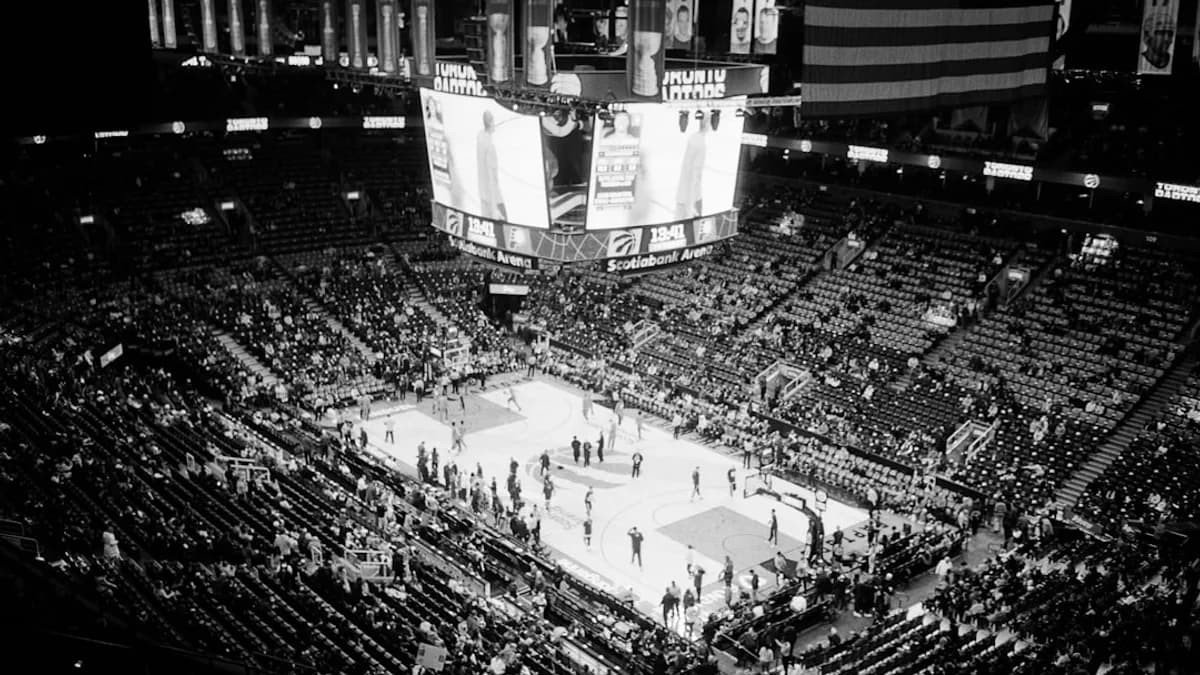
Introduction to the Timberwolves vs Nuggets 2026 NBA Playoffs Series
In the high-stakes cauldron of the 2026 NBA Playoffs, the Minnesota Timberwolves and Denver Nuggets have been thrust into a matchup brimming with intrigue, star power, and postseason ambition. Game 1 set the tone, with Denver seizing an early series lead and Minnesota left searching for answers. As Game 2 looms, the pressure intensifies for both franchises. For the Nuggets, defending their home court means pushing toward another deep playoff run; for the Timberwolves, it’s a chance to reset and reclaim momentum. The spotlight shines brightest on superstars like Nikola Jokić, Jamal Murray, and Anthony Edwards—each capable of changing the series’ narrative in a single quarter. With legacies, strategies, and championship hopes on the line, every possession in Game 2 will ripple across the NBA landscape.
Detailed Breakdown of Game 1: Nuggets’ Dominant Performance
Game 1 delivered a masterclass in composure and execution from the Denver Nuggets. Jamal Murray’s flawless 16-for-16 performance at the free throw line wasn’t just a statistical oddity—it was a backbreaker for the Timberwolves, who failed to capitalize on defensive stops by sending Denver’s clutch guard to the stripe [Source: Source]. Free throws often separate postseason contenders from pretenders, and Murray’s efficiency under playoff pressure underscored why he’s considered one of the league’s elite closers.
Equally pivotal was Nikola Jokić’s multi-dimensional contribution. While his stat sheet sparkled—points, rebounds, assists—it was his orchestrating of Denver’s offense that truly destabilized Minnesota. Jokić’s ability to read the floor, punish mismatches, and involve role players like Christian Braun elevated the Nuggets’ attack, exposing gaps in the Timberwolves’ defensive schemes.
On the other side of the ball, Christian Braun emerged as an unsung hero. Tasked with slowing Minnesota’s electric Anthony Edwards, Braun’s relentless, “annoying” defense, as Jokić candidly put it, threw Edwards off his rhythm [Source: Source]. Braun’s lateral quickness and physicality forced Edwards into tough, contested shots, limiting his efficiency and disrupting Minnesota’s offensive flow.
From a momentum standpoint, the game’s turning points centered around Denver’s ability to capitalize on Timberwolves’ mistakes. Points off turnovers, rapid transitions, and timely three-point shooting kept Minnesota in a constant state of catch-up. The Nuggets’ cohesion and ability to execute their game plan in critical moments highlighted a maturity and playoff readiness that the Timberwolves struggled to match in the series opener.
Analyzing the Timberwolves’ Challenges and Adjustments for Game 2
Minnesota’s Game 1 struggles can be traced to two primary culprits: offensive stagnation and defensive lapses. Despite Anthony Edwards’ reputation as a go-to scorer, he found himself bottled up by a swarming Nuggets defense that cut off driving lanes and forced him into isolation situations with a lower probability of success [Source: Source]. The Timberwolves’ supporting cast, including Karl-Anthony Towns and Mike Conley, failed to provide enough supplementary scoring, leaving the offense overly dependent on Edwards’ shot-making.
Defensively, Minnesota’s inability to disrupt Denver’s primary actions proved costly. Jokić’s methodical pick-and-roll orchestration repeatedly exploited Minnesota’s switching schemes, creating mismatches that the Nuggets targeted relentlessly. The Timberwolves’ rotations were a step slow, and they struggled to defend without fouling—a critical miscue given Murray’s free-throw proficiency.
Looking ahead to Game 2, Minnesota must consider several tactical adjustments. First, coach Chris Finch will likely prioritize ball movement and off-ball screening to free Edwards from the clutches of Braun’s defense. Diversifying offensive sets to involve Towns as a playmaker, rather than a spot-up shooter, could help counter Denver’s defensive pressure. On defense, more aggressive blitzing of Jokić and tighter closeouts on perimeter shooters may disrupt Denver’s rhythm, though this risks leaving the paint vulnerable.
For the Timberwolves, the path forward hinges on Edwards rediscovering his offensive groove and Minnesota’s role players stepping up under the playoff spotlight. If they can inject pace, force turnovers, and get easier transition buckets, the series could quickly tighten.
Nuggets’ Strengths and Strategies to Maintain Momentum in Game 2
Denver’s Game 1 victory was anchored by two pillars: offensive efficiency and suffocating, targeted defense. The Nuggets’ free throw accuracy—highlighted by Murray’s perfect night—provided a cushion that allowed them to withstand Minnesota’s runs [Source: Source]. In playoff basketball, where margins are razor-thin, such reliability at the line often makes the difference between a gritty win and a late collapse.
Defensively, Denver’s strategy was both simple and devastatingly effective. Christian Braun’s “annoying” defense on Edwards set the tone, enabling the Nuggets to defend Minnesota’s actions without constant double-teams that risk open looks for other scorers [Source: Source]. This allowed Denver to stay home on shooters and contest at the rim, forcing the Timberwolves into less efficient mid-range attempts.
Equally important was the Nuggets’ chemistry and depth. Jokić’s unselfishness created opportunities for Denver’s bench to contribute meaningfully, with players like Braun, Aaron Gordon, and Kentavious Caldwell-Pope stepping into their roles seamlessly. This collective buy-in is the product of years of continuity—Denver’s core has played together through multiple playoff runs, giving them a strategic edge in pressure situations.
To sustain their series lead, the Nuggets must double down on these strengths. Continued ball movement, disciplined defense, and attacking Minnesota’s weaker defenders on switches will keep the Timberwolves on their heels. Denver’s ability to stay poised, limit turnovers, and maintain balanced scoring will be crucial as Minnesota inevitably makes adjustments. If the Nuggets avoid complacency and respond to counterpunches with composure, they are well-positioned to extend their advantage.
Understanding the Latest Odds and Predictions for Game 2
As Game 2 approaches, oddsmakers and predictive models are leaning toward the Nuggets, reflecting both their Game 1 dominance and the confidence bettors have in Denver’s home-court advantage [Source: Source]. Current spreads put Denver as moderate favorites, with most sportsbooks offering a 4-6 point cushion—a nod to their consistent playoff performance and ability to close out tight contests.
Proven analytical models, such as those referenced by CBS Sports, factor in Denver’s offensive efficiency, Minnesota’s road struggles, and recent head-to-head data to project a Nuggets victory, though not by a blowout margin [Source: Source]. The total points lines hover in the mid-220s, indicating expectations of a high-scoring, fast-paced contest—a contrast to more defensively-oriented playoff series.
These odds also reflect the uncertainty around Minnesota’s ability to adjust. While the Timberwolves have the talent to swing the series, bettors and models remain skeptical until on-court results show meaningful change. For fans hoping to tune in, Game 2 will be broadcast nationally on NBC and available to stream on various digital platforms [Source: Source], ensuring widespread access to one of the postseason’s most compelling matchups.
Broader Implications of the Timberwolves vs Nuggets Series on the 2026 Playoffs
Beyond immediate bragging rights, this series carries significant weight for both franchises and the broader NBA landscape. For Denver, another deep playoff run would cement their status as a modern dynasty, with Jokić continuing to build a Hall of Fame legacy as one of the game’s most versatile big men. Consistent playoff success would also validate the Nuggets’ patient team-building approach, prioritizing chemistry and player development over splashy trades.
For the Timberwolves, the stakes are equally high. A series win would mark a breakthrough for a franchise long mired in mediocrity, while a quick exit could spark questions about roster construction and the viability of building around Edwards and Towns. The outcome will influence off-season decisions, including potential trades, extensions, and coaching strategies.
On a macro level, this matchup exemplifies broader playoff trends: the rising importance of two-way wings like Braun, the enduring value of free throw shooting, and the chess match between offensive creativity and defensive adaptability. The series is also a microcosm of this year’s postseason, where youth-driven teams like Minnesota clash with the seasoned experience of established contenders like Denver.
Media and fan expectations remain sky-high. Every game in this series is scrutinized not just for its impact on this year’s bracket, but for what it signals about the NBA’s future pecking order.
Conclusion: Key Takeaways and What to Watch in Game 2
Game 2 between the Timberwolves and Nuggets promises to be a referendum on playoff adaptability and mental toughness. Denver’s Game 1 blueprint—relentless defense, surgical offense, and clutch free throw shooting—set a high bar, but the Timberwolves have the tools to respond if they can unlock their offensive flow and tighten defensive rotations. The chess match between adjustments and counter-adjustments will define the night.
For fans, the key stories to watch are whether Anthony Edwards can break free from Denver’s defensive shackles, if Jokić and Murray can maintain their clinical execution, and how role players on both sides step up under pressure. As the series evolves, so too will its implications—for individual legacies, team futures, and the narrative arc of the 2026 NBA Playoffs. Stay tuned: this is playoff basketball at its most compelling.