Introduction: Iran's Potential Participation in Pakistan Peace Talks
Iran may join peace talks in Pakistan, raising hopes for a step back from conflict in the Middle East. These talks aim to cool tensions between Iran and the US, which have been rising for months. The news comes as oil prices slip and officials from both sides trade tough words. But some reports say Iran has not decided whether it will send a team to Pakistan [Source: Google News]. The uncertainty shows just how hard it is to bring rivals to the table.
Background: The Context of Pakistan's Peace Talks Involving Iran and the US
Iran and the US have been at odds for decades. Their disputes stretch from nuclear programs to support for groups in the region. The 2018 US exit from the Iran nuclear deal led to more sanctions and threats. Attacks on ships, drone strikes, and proxy fights have made things worse.
Pakistan often tries to mediate because it sits between Iran and Afghanistan, and it has ties to the US. Islamabad has hosted talks before, hoping to calm neighbors and avoid chaos on its borders. Pakistan’s role matters because it can speak to both sides and offer a neutral ground. Past efforts, like talks after the killing of Iranian General Qasem Soleimani in 2020, did not end the cycle of violence.
Now, both Iran and the US say they are winning. But neither side wants to back down [Source: Google News]. Iran says it stands strong against US pressure. The US warns Iran to stop backing armed groups. The back-and-forth makes it hard to see how talks could bring peace.
The region is tense. Iran has clashed with Israel and US allies. The US has sent more troops and ships. Oil tankers in the Gulf face risks that drive up prices and worry investors. Any talks that could calm things would matter not just for the Middle East, but for energy markets and world trade.
Latest Developments: Iran's Position and Conflicting Reports on Delegation
There is confusion about whether Iran will join the talks in Pakistan. Iran’s official news agency, Tasnim, says the country has not made up its mind about sending a delegation [Source: Google News]. Reuters also reports no decision yet. This clashes with earlier stories hinting Iran was ready to attend.
US officials say they welcome Iran’s involvement, but warn that the talks must be real, not just for show. Iran’s leaders say they will only join talks that respect their rights and interests. Both sides use strong language. Iran says it will not bow to US demands. The US says Iran must stop actions that threaten peace.
The news about Iran maybe attending caused oil prices to slip. Investors see talks as a sign of less risk in the region. Brent crude dropped about 1% after reports of Iran’s possible move [Source: Google News]. That shows how tightly linked politics and markets are. Traders react fast to any hint of peace or conflict.
Besides oil, other markets are watching. Stocks in the Middle East moved up and down as the news broke. Companies that rely on stable trade routes, like shipping firms, pay close attention. For now, uncertainty rules. If Iran joins, talks could help calm nerves. If not, risks stay high.
Analysis: Implications of Iran Attending Peace Talks for Regional Stability and Global Markets
If Iran joins the talks, it could help stop the slide toward more conflict. Both Iran and the US have strong armies and allies. Their fights spill over into other countries, like Iraq, Syria, and Yemen. Talks in Pakistan might offer a way to break the cycle. Even small steps, like agreeing to keep peace near borders or letting ships move safely, could make a difference.
Iran’s presence would boost Pakistan’s standing. Islamabad often gets caught between big powers. If it can bring Iran and the US to the same table, it shows Pakistan has influence in the region. This could help Pakistan get more support from other countries and international groups.
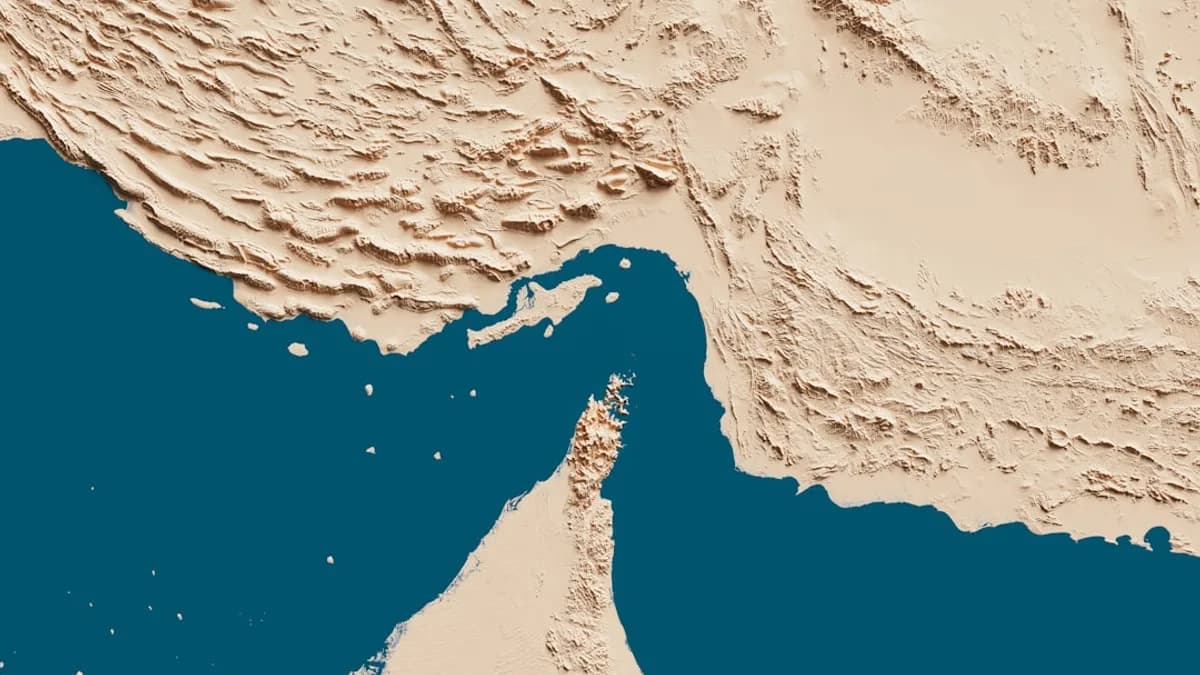
For global oil markets, Iran’s participation could ease fears. The Middle East supplies about a third of the world’s oil. Any threat to shipping routes, like the Strait of Hormuz, can push prices up. If talks lower the risk of attacks or sanctions, oil may stay steady. Investors like stability. When news broke about Iran’s possible attendance, oil prices slipped, showing markets want less drama [Source: Google News].
But the talks are not just about oil. They affect currency markets, shipping, and food prices. Many countries depend on safe trade from the Middle East. If Iran and the US move closer to peace, it could help economies everywhere.
Still, talks alone will not solve old problems. Both sides have deep mistrust. Iran wants sanctions lifted and its borders safe. The US wants Iran to stop backing armed groups. Even if talks start, progress will be slow. But the fact that Iran and the US may meet in Pakistan is a sign that dialogue is still possible.
Challenges Ahead: Obstacles to Successful Negotiations Between Iran, US, and Pakistan
There are big hurdles. Iran and the US have years of mistrust. Each side blames the other for violence and broken promises. Iran’s leaders face pressure at home to stand tough. The US has its own politics, with lawmakers demanding a hard line.
Pakistan must balance its ties to both sides. If talks fail, Pakistan risks losing trust. If it pushes too hard, it could upset its neighbors or allies.
The talks could stall or break down. If Iran decides not to send a delegation, hopes fade fast. If talks start but no real progress is made, tensions could spike again. That would hurt regional security and global markets.
The risk is that talks are just for show, with no real change. Both Iran and the US have used talks before to buy time or send signals. For lasting peace, both sides must make real moves—like easing sanctions, stopping attacks, or agreeing on rules for trade.
Conclusion: The Road Forward for Peace Talks and Regional Diplomacy
Iran’s possible attendance at Pakistan peace talks is a chance for dialogue, not a guarantee of peace. The situation is fluid, with conflicting reports and tough rhetoric. But the talks matter because they open a door to solving old disputes.
If Iran joins, talks could calm tensions and help markets. If not, risks stay high for the region and the world. The next steps depend on whether both sides can agree to meet and listen.
For now, leaders and markets watch closely. The hope is that talks in Pakistan spark more dialogue and less fighting, both in the Middle East and beyond. The big lesson: Even when mistrust runs deep, talking is still better than fighting.
Why It Matters
- Potential talks could ease dangerous tensions between Iran and the US, impacting regional stability.
- Successful mediation by Pakistan would strengthen its diplomatic influence in a volatile region.
- Reduced conflict may lower risks to global oil supply and calm markets affected by Middle East instability.