


Introduction to Japan’s Historic Shift on Weapons Export Policy
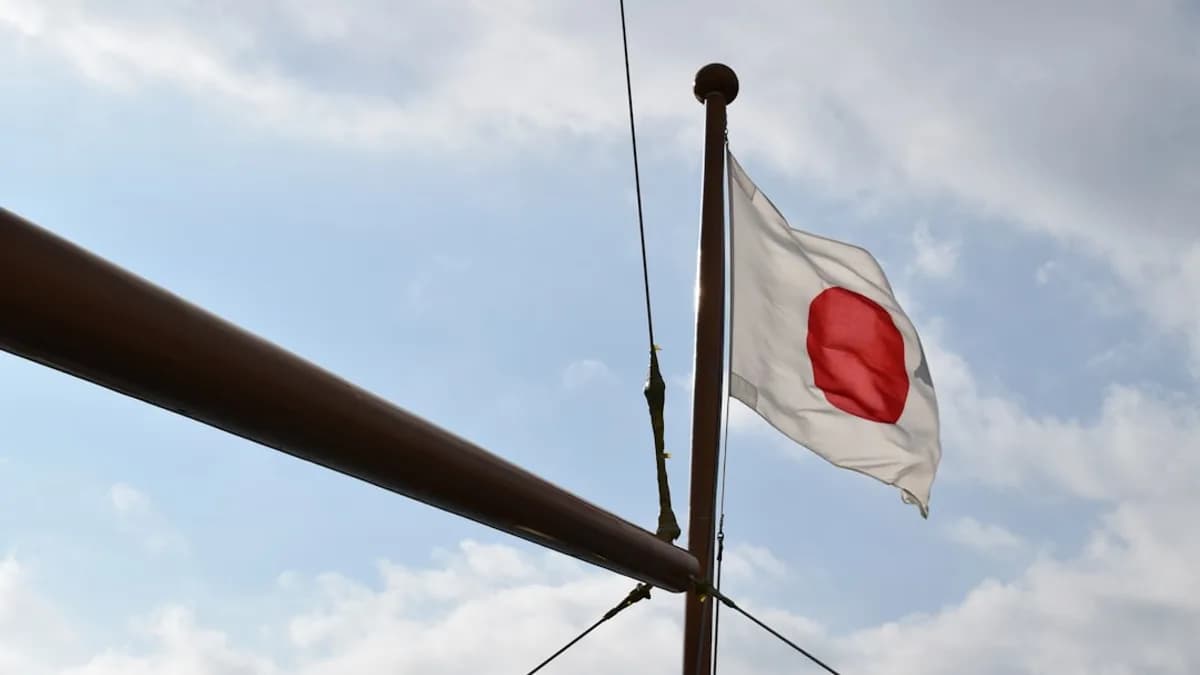
Japan will now let its companies sell most weapons to other countries. This is a big change from its old rules, which banned exporting lethal weapons since World War II. The government voted to lift most curbs on arms exports, making it easier for Japanese firms to join the global arms market [Source: Google News]. This move breaks with decades of postwar pacifism, which shaped Japan’s foreign policy for nearly 80 years. The new policy could boost Japan’s defense industry and change how it works with its allies. For many, this signals a new chapter in Japan’s role in world security.
Background: Japan’s Postwar Pacifist Policy and Arms Export Ban
After World War II, Japan wrote a pacifist constitution. This included Article 9, which says Japan gives up its right to wage war. The country vowed not to keep an army for fighting, only for self-defense. Because of this, Japan set strict rules: it would not export lethal weapons or arms to other countries. The ban started in the 1960s and covered tanks, fighter jets, missiles, and guns.
These rules were made to stop Japan from becoming a military power again. Many in Japan feared repeating the past and wanted to show the world they were peaceful. The arms export ban shaped Japan’s defense industry. Companies like Mitsubishi Heavy Industries and Kawasaki made weapons only for Japan’s own needs, not for foreign buyers.
This policy also affected how Japan worked with other countries. It made Japan rely more on the US for security. Japan could not join joint arms projects or sell weapons to allies, even if they wanted to. Over time, some small changes allowed exports of non-lethal gear, like radar or ships for disaster relief. But lethal weapons stayed off limits. Now, that is changing.
Details of the New Defense Export Rules and What They Change
Japan’s new rules remove most of the old bans on selling lethal weapons. Now, Japanese companies can export fighter jets, missiles, and other arms to countries approved by the government [Source: Google News]. The new rules say Japan can sell weapons to allies and partner countries that share its values, like the US, UK, and Australia. They can also join joint defense projects and sell finished products abroad.
Some curbs remain. Japan will still block exports to countries at war or those under UN sanctions. The government sets up a new approval process. Companies must apply for export permission, and each deal is checked to make sure it fits Japan’s rules. The cabinet and key ministries get the final say.
The types of weapons now eligible for export include fighter jets, missile systems, naval ships, and defense electronics. Japan can also send spare parts and components for joint projects. For example, Japan might supply parts for US-made F-35 jets or work with Britain on next-generation fighter planes.
Strategic and Economic Implications of Japan’s Arms Export Policy Shift
Opening the global arms market could bring big benefits to Japan’s defense industry. Until now, companies like Mitsubishi, Kawasaki, and NEC only sold to Japan’s Self-Defense Forces. That kept their sales small, and they missed out on huge profits seen by US or European arms makers. Now, they can sell overseas, compete for big contracts, and join joint projects with allies.
This change could help Japan build closer ties with its partners, especially the US. By sharing technology and weapons, Japan can prove it is a strong ally in Asia. The US has pushed Japan to take more responsibility for its own defense. Selling arms abroad could help Japan become a bigger player in joint security efforts, like missile defense or fighter jet development.
There are risks, too. Some worry that selling more weapons could make Asia less safe. China and South Korea have raised concerns, saying the change could spark an arms race or raise tensions [Source: Google News]. There is also fear that Japanese weapons could end up in the wrong hands, or be used in conflicts Japan does not support.
Japan’s government says it will keep strict controls to avoid these problems. Each export deal is checked, and Japan will not sell to countries at war. Still, experts say the move could shift the balance of power in Asia. Japan may face new challenges as it joins the global arms market, where rules are often unclear and competition is fierce.
Regional and Global Reactions to Japan’s Policy Change
Japan’s neighbors have reacted quickly. China called the new policy dangerous and said it could upset peace in the region. South Korea also voiced concerns, warning that more weapons could make Asia less stable [Source: Google News]. Both countries have memories of Japan’s military past, so any shift in defense policy gets close attention.
International defense experts are watching what happens next. Some say Japan’s move could boost its standing among allies, making it a stronger partner in joint projects. Others worry about arms proliferation, especially if Japanese weapons spread to hot spots or unstable regions.
This change could also shake up the global arms trade. Japan brings high-tech gear and strong engineering skills to the market. If Japanese firms start selling more, they could challenge US, European, or South Korean makers. The world’s top buyers—like India, Australia, and some Southeast Asian countries—might look to Japan for new options.
Conclusion: Understanding the Future of Japan’s Defense and Foreign Policy
Japan’s decision to lift its ban on lethal weapons exports marks a huge shift. It moves away from decades of strict pacifism and opens the door to becoming a bigger defense player. The change could help Japanese companies grow, and make Japan a more active ally in world security.
But the move also brings risks. Regional tensions may rise, and Japan will have to watch its exports carefully. The country’s identity as a peaceful nation is now being tested. In the coming years, Japan’s leaders will face tough choices as they balance economic opportunities, security needs, and their commitment to peace.
For now, Japan’s new policy shows it wants to play a larger role in global defense. How this shapes the region—and the world—will depend on what comes next. Readers should watch for new deals, stricter controls, and Japan’s growing voice in security talks as the story unfolds.
Why It Matters
- Japan’s new export rules could transform its defense industry and economy by opening access to global arms markets.
- This historic shift alters Japan’s postwar pacifist stance, impacting its foreign policy and relationships with allies.
- The move may increase Japan’s strategic influence and participation in international security initiatives.