Syrian and Lebanese Leaders Report “Significant Progress” in Damascus Talks
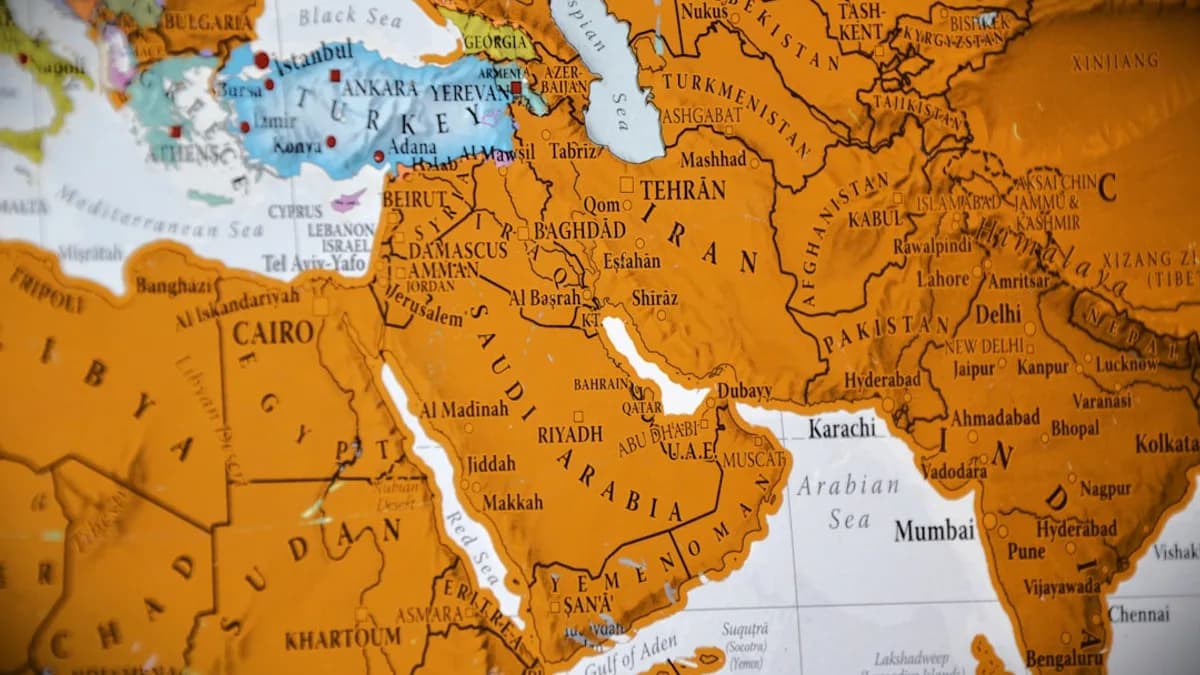
Lebanon’s prime minister and Syria’s president say they made “significant progress” in talks on security, transport, and energy during a meeting in Damascus, according to Al Jazeera. The two sides focused on joint interests that have long remained complicated by the region’s shifting alliances and ongoing tensions.
Both governments highlighted advances on core issues but did not publish details or timelines. The talks centered on three critical sectors: cross-border security, transport infrastructure, and the energy grid linking the two neighbors. The language of “significant progress” suggests at least some mutual agreement on next steps, but the absence of specifics leaves the scale of any breakthrough an open question.
Why Progress on Security, Transport, and Energy Matters
Border security and energy are perennial flashpoints for both Beirut and Damascus. Even limited progress on these fronts could shift regional dynamics, especially if it leads to improved coordination against cross-border threats or smuggling.
Transport links between Lebanon and Syria have historically underpinned trade and movement of goods. Any move to revitalize these routes—if matched by action—could have immediate economic effects, especially for Lebanon’s struggling importers. Energy cooperation also carries weight. Lebanon’s chronic power shortages make even incremental gains in energy-sharing agreements with Syria strategically important.
But the source stops short of confirming any concrete deals or implementation plans. The fact that both countries signaled progress is notable, but the lack of detail means it’s impossible to gauge the depth or durability of any new cooperation. Analysis: Without specifics, it’s unclear whether this marks a tactical reset or just a rhetorical thaw.
What Remains Unclear After the Damascus Meeting
The statement of “significant progress” leaves major gaps. Neither side disclosed what, if any, binding agreements were reached, nor how they plan to operationalize the discussed initiatives. There’s no public roadmap for next steps on security, transport, or energy.
It’s also not clear whether these talks will face internal or external pushback, or how quickly any agreements could be implemented. The silence on timelines and enforcement mechanisms raises questions about the durability of the apparent progress.
What to Watch Next: Will Promises Become Policy?
The coming weeks will test whether today’s rhetoric translates into action. Watch for official communiqués clarifying any signed protocols or scheduled follow-up meetings. Key indicators will include announcements of joint projects, new cross-border procedures, or concrete steps to boost energy flows.
If both governments move to formalize what was discussed, this could trigger a visible shift in bilateral ties—and potentially send signals to other regional actors. For now, the most useful takeaway is that dialogue is happening at senior levels, but the extent of the breakthrough remains behind closed doors.
Impact Analysis
- Improved cooperation on security and energy could help stabilize a volatile region.
- Revitalized transport links may boost trade and economic activity for both Syria and Lebanon.
- Any progress on energy-sharing is critical for Lebanon, which faces chronic power shortages.