Why Naval Blockades Like the Strait of Hormuz Siege Are Critical in Modern Warfare
Blocking the Strait of Hormuz locks down nearly a third of global seaborne oil trade—roughly 21 million barrels per day. When warships or mines choke this narrow waterway, energy prices spike, supply chains scramble, and world leaders scramble to contain the fallout. Naval blockades aren’t just relics of centuries-old conflict; they remain the pressure points of power politics, capable of throttling entire economies in days.
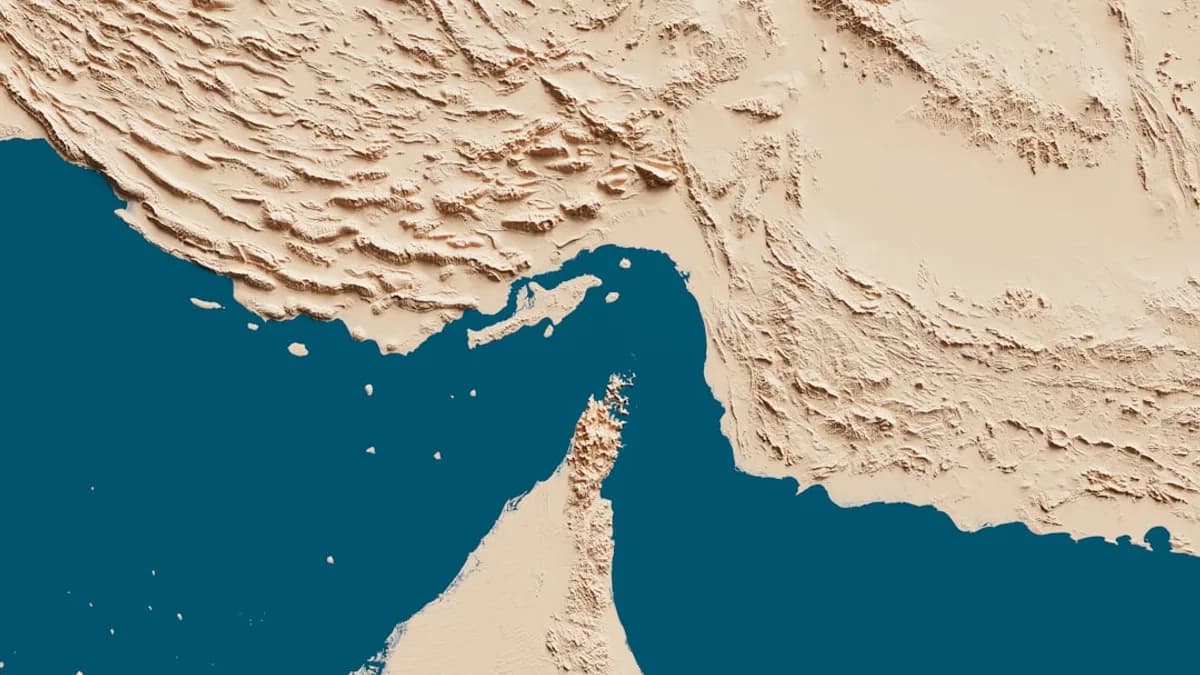
The Strait itself is a mere 21 miles wide at its narrowest, but it’s the lifeline for Gulf oil exporters including Saudi Arabia, Iran, Iraq, UAE, and Kuwait. Tankers funneling through this bottleneck send crude to markets from Asia to Europe. Any blockade here, as reported by Al Jazeera, instantly reverberates through global trade, with oil futures surging 10-15% in a matter of hours. That’s not just traders sweating—factories, airlines, and governments feel the crunch.
Naval blockades force adversaries to the negotiation table by squeezing their economic arteries. During the Hormuz blockade, insurance rates for vessels shot up 300%, rerouting cargo and shrinking available shipping tonnage. This tactic isn’t limited to oil: modern blockades target LNG, containerized goods, and even food supplies. The strategic calculus is simple—when you control the sea, you control the tempo of conflict and the levers of commerce.
How Do Naval Blockades Function to Enforce Economic and Military Pressure?
Naval blockades hinge on a mix of brute force and logistical finesse. Warships patrol chokepoints, intercepting vessels, boarding suspicious cargo, and imposing no-go zones. Surveillance drones, satellite imagery, and electronic intercepts map every movement. The goal: disrupt trade, restrict resupply, and erode the targeted nation’s ability to fight or function.
Legal authority is a minefield. Under the UN Charter and international law, blockades must be declared, targeted, and proportionate—otherwise, they risk being branded acts of war. In international waters, enforcing a blockade means threading the needle between military necessity and diplomatic fallout. For instance, the Hormuz siege forced coalition navies to coordinate rules of engagement, avoid civilian casualties, and document every interception to stave off escalation.
Tech advances have raise
Why It Matters
- Naval blockades like at the Strait of Hormuz can instantly disrupt global energy markets.
- Such blockades force governments and companies to rapidly adapt supply chains, raising costs worldwide.
- Controlling key maritime chokepoints remains a powerful tool in both economic and military conflicts.