

Unpacking the Risks Behind Military Exercises: What the Morocco Incident Reveals
Two U.S. service members vanished during African Lion drills in southwestern Morocco—a stark reminder that even “routine” multinational exercises can turn perilous fast. While headlines focus on missing personnel, the underlying story is about the unpredictable hazards woven into joint military training, especially in environments neither familiar nor forgiving. The African Lion exercise, one of the largest annual drills on the continent, routinely draws thousands of troops from the U.S., Morocco, and allied nations. But the real risk isn’t just live-fire or complex maneuvers—it’s the operational friction of working in challenging terrain, with language barriers, unfamiliar climate, and sometimes incomplete local maps.
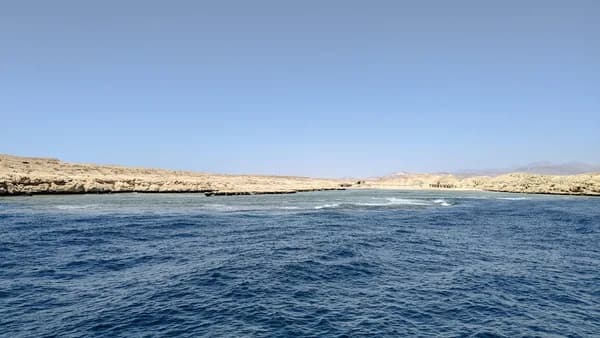
Southwestern Morocco is not a benign training ground. Its arid stretches, rocky escarpments, and sudden weather shifts make navigation and communication a logistical headache. As Al Jazeera reports, AFRICOM’s search and rescue teams now face the daunting task of tracking down personnel in an area where visibility and access are limited. When service members go missing during training—not combat—the stakes shift: it’s a test of readiness, protocols, and the trust between nations hosting and participating in the exercise. Each disappearance isn’t just a tragedy—it’s a stress test for operational cohesion and crisis management.
Data on Military Training Incidents: Frequency and Impact of Missing Personnel Cases
Incidents like the Morocco disappearance aren’t anomalies, but most go unreported outside military circles unless they end tragically or spark political fallout. Between 2010 and 2024, U.S. military records show at least 18 cases of personnel unaccounted-for during joint training or overseas exercises—about 7% resulted in fatalities, with the remainder rescued or located after delays ranging from hours to several days. AFRICOM alone has logged five missing personnel incidents in the past decade, three during African Lion drills. In 2019, a soldier was lost for 36 hours in a similar Moroccan region; the rescue involved drones, local guides, and coordination with Moroccan internal security, ultimately ending safely but exposing gaps in real-time tracking.
Search and rescue outcomes hinge on terrain and technology. In desert and semi-arid regions, rescue success rates hover around 80%, but drop sharply in mountainous or jungle environments. U.S. Army data shows that when GPS trackers or digital comms are disrupted—due to weather or terrain—response times can double. Compare this to NATO exercises in Europe, where missing personnel cases are rarer and usually resolved within hours thanks to denser infrastructure and interoperable tech.
The operational cost is substantial: each search and rescue deployment during African Lion has involved up to 200 personnel, several helicopters, and coordination with Moroccan authorities. These efforts can disrupt planned training schedules, strain diplomatic relations, and trigger after-action reviews that often lead to procedural changes. The Morocco incident will almost certainly prompt an audit of current tracking and comms systems, given AFRICOM’s mixed record in similar cases.
Diverse Stakeholder Perspectives: Military, Families, and Host Nation Views on the Incident
For AFRICOM, the official line is all business: search and rescue underway, protocols followed, cooperation with Moroccan authorities assured. But beneath the press releases, internal urgency spikes—the risk isn’t just operational failure but reputational damage. U.S. military commanders know every missing person case during a high-profile exercise invites Congressional scrutiny and questions about readiness.
Families back home face a different reality. The uncertainty of “missing, not accounted for” status is psychologically brutal. In past incidents, families have criticized the lag in communication—sometimes learning details hours after the military releases statements to the media. The Morocco case is no exception; social media posts from relatives have already surfaced, demanding more transparency and faster updates.
Morocco, as host, walks a delicate line. The African Lion exercise is a centerpiece for its strategic partnership with the U.S.—losing participants on its soil risks both diplomatic embarrassment and domestic criticism. Moroccan officials are quick to highlight their role in rescue efforts, deploying local forces and emphasizing their commitment to joint security. But there’s underlying pressure: successful resolution is a test of Morocco’s reliability as a military partner, especially as Rabat seeks deeper security ties with Washington.
Historical Lessons from Past Military Drill Mishaps and Their Influence on Current Protocols
History is littered with cautionary tales. In 2017, two Marines went missing during a joint exercise in Djibouti; one was found alive after three days, the other perished—an outcome that led AFRICOM to mandate more robust GPS tracking and real-time monitoring for all personnel in remote drills. The 2019 Morocco incident prompted upgrades in communication gear, but field reports indicated persistent gaps—especially when troops moved outside designated zones or when batteries failed.
Lessons learned often translate into new rules, but implementation lags. After a 2021 incident in Kenya where a soldier was lost during a night maneuver, AFRICOM introduced mandatory terrain briefings and buddy systems for every exercise participant. Yet, audits in 2024 showed only partial compliance in several units, citing logistical constraints and “training realism” as reasons for lapses. The Morocco disappearance will reignite debate over whether safety protocols are sacrificed for operational authenticity—a tension that persists across most commands.
Past events underline a pattern: after-action reports lead to recommendations, but actual adoption depends on command emphasis and available resources. AFRICOM’s track record is mixed—some improvements, like drone-assisted tracking, were rolled out quickly, while others, like universal satellite comms, remain patchy due to cost and technical hurdles.
What the Morocco Incident Means for Military Training Safety and International Cooperation
This episode could spark a recalibration of risk management, especially for multinational drills in challenging environments. Expect AFRICOM and its partners to revisit the balance between training realism and personnel safety, likely tightening protocols around movement, tracking, and emergency response. The cost-benefit calculus shifts—no exercise is worth a diplomatic rift or headline-grabbing casualty.
For U.S.-Morocco relations, the stakes are higher than a single incident. African Lion is the showpiece of joint military cooperation in North Africa; a botched rescue or unresolved disappearance risks undermining trust and future collaboration. Moroccan military leaders, keen to demonstrate professionalism, will push for joint reviews and possibly upgrade their own rescue logistics and communications.
Broader regional security cooperation could also feel ripple effects. If African Lion’s reputation suffers, it may impact participation from other allied nations—especially those wary of operational risks. Public perception matters: every missing personnel case feeds narratives about the dangers of military engagement abroad, potentially fueling skepticism about U.S. presence or the value of multinational drills. Transparency will be key—AFRICOM and Morocco must show not just action, but clear improvement in response and communication.
Predicting the Future: Enhancing Search and Rescue Capabilities and Preventing Future Disappearances
The Morocco incident will accelerate investment in new tech and training. Expect AFRICOM to fast-track adoption of real-time personnel tracking—using satellite-enabled devices with longer battery life and better terrain penetration. Artificial intelligence may play a bigger role, with algorithms analyzing movement patterns and flagging anomalies before troops go missing. Drones equipped with thermal imaging and rapid-deploy search kits are already on the procurement list, but budget constraints and interoperability challenges could slow rollout.
Policy shifts are likely: mandatory check-ins, stricter movement boundaries, and integrated Moroccan-U.S. rescue teams for every African Lion iteration. Training modifications may include scenario-based rehearsals for personnel loss, ensuring units know exactly how to react and coordinate across language and command barriers. AFRICOM will also push for greater transparency—real-time updates for families, public briefings, and after-action reviews made accessible to stakeholders.
Long-term, this incident will reshape how multinational exercises are planned and executed. The operational strategy will tilt toward risk mitigation, not just operational ambition. African Lion—and similar drills—will serve as proving grounds for new tech and protocols. Whether this leads to fewer disappearances will depend on how quickly lessons turn into action, and how seriously both the U.S. and its partners treat safety as inseparable from readiness. If AFRICOM can demonstrate rapid response and successful resolution, it will set a benchmark for coalition drills worldwide. If not, expect tightening scrutiny and a push for even more robust oversight—by Congress, military families, and allied governments alike.
Why It Matters
- Military training exercises carry real risks even outside combat, impacting safety and readiness.
- Incidents like missing personnel stress-test international cooperation and crisis protocols.
- Understanding these hazards helps inform public and policy discussions about military operations abroad.