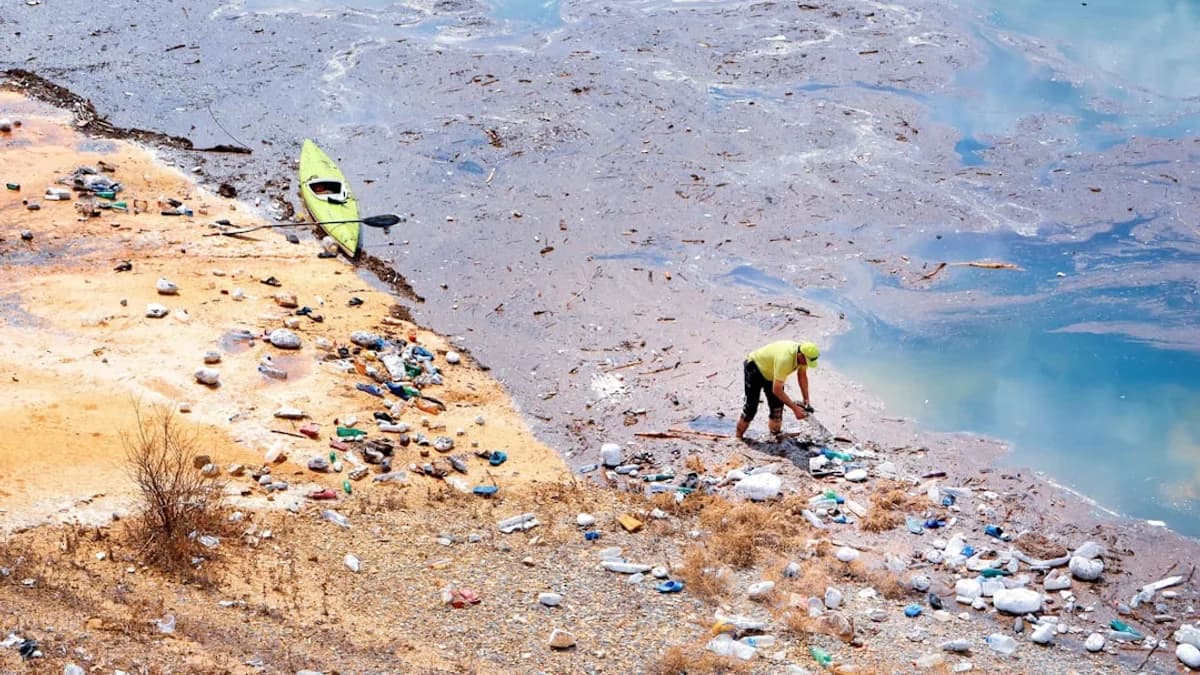
Why the Critical Minerals Boom Is Creating New Environmental and Social Sacrifice Zones
The green tech revolution is minting new sacrifice zones—and the world’s poorest people are paying for our “clean” future with poisoned water and ruined health. Lithium, cobalt, copper, and rare earths are the backbone of AI servers, EVs, and wind turbines. But the extraction frenzy fueling this transition is gutting the very communities it touches. This is not just a case of collateral damage: it’s a repeat of the extractive injustices that fossil fuels inflicted on the Middle East and Africa, now replayed in the name of sustainability, according to Fast Company Tech. If “net zero” comes at the cost of sick children and dead rivers, we’re just shifting the burden, not solving it.
How Critical Mineral Mining Drives Water Scarcity and Pollution in Poor Regions
Critical mineral extraction is a water guzzler—and the numbers are staggering. Lithium production alone devoured an estimated 456 billion liters of water in 2024, enough to cover the annual needs of 62 million sub-Saharan Africans. In the Atacama Desert, mining siphons off 65% of the region’s water, drying up salt lagoons and pushing freshwater aquifers to the brink. Farmers, wildlife, and entire communities are forced into a zero-sum fight for survival against multinational miners.
Toxic runoff isn’t an unfortunate byproduct—it’s a systemic cost of the industry. Rare earth extraction, crucial for everything from smartphones to turbine magnets, produces up to 2,000 metric tons of waste for every ton of usable material. Chemicals used to separate metals leach into water tables when storage fails or regulations are ignored. The result: rivers near cobalt and copper mines in the Democratic Republic of the Congo have become so acidic they’re undrinkable, fish stocks have collapsed, and farmlands are barren. The green revolution’s supply chain starts with black water and poisoned soil.
The Hidden Health Crisis: Mining’s Toll on Local Communities’ Well-being
Health disasters linked to critical minerals rarely make headlines in Silicon Valley, but they’re a daily reality at the source. In southern DRC, studies show communities near mines report higher rates of miscarriages, birth defects, and infant mortality. One maternity ward near Kolwezi recorded significantly more birth complications than those farther from mining zones. Skin diseases, gastrointestinal illnesses, and reproductive problems are rampant, with women and girls particularly at risk due to contaminated water and poor sanitation.
Chile’s Antofagasta region, home to massive copper and lithium operations, now has the highest cancer mortality in the country—lung cancer rates alone are nearly triple the national average. Doctors are seeing spikes in neurological and developmental disorders, too, blamed on chronic exposure to mining effluent. Children fare worst: thousands are employed in artisanal cobalt mines in the DRC, sifting hazardous dust without protection. In a country where only one-third of citizens have reliable drinking water, the health impacts stack up relentlessly.
Food Security Threatened by Mining-Induced Water Shortages and Pollution
The mining boom’s water footprint doesn’t just harm people directly—it devastates local food systems. In Peru, zinc mining has contaminated the Cunas watershed, with toxic runoff infiltrating irrigation channels and livestock watering holes. In Bolivia’s Uyuni region, lithium extraction has triggered chronic water shortages that make quinoa, a dietary staple, increasingly scarce. Across the lithium triangle—Argentina, Chile, and Bolivia—reduced water flows mean smaller harvests and dying herds.
The pattern repeats in the DRC and Zambia, where polluted rivers have decimated fish populations and sickened livestock. For marginal communities already facing hunger, mining-induced water loss isn’t an inconvenience; it’s an existential threat. Food insecurity and malnutrition are the new costs of digital progress.
Addressing the Crisis: Governance, Technology, and Community Empowerment Solutions
If the world wants batteries without blood on its hands, the governance model must change—fast. Voluntary guidelines and ESG window-dressing won’t cut it. Only binding international rules—treaties, enforceable supply chain due-diligence laws, and mandatory environmental and human rights standards—can force accountability across the mineral pipeline. A global mineral trust, treating these resources as shared planetary assets, could channel benefits more equitably and set tougher water and pollution controls.
Corporations have the technical capacity to invest in less water-intensive extraction processes, but rarely do so unless compelled. Chile’s government, for example, has begun tightening wastewater regulations and requiring more rigorous independent monitoring—a move other mining hubs should copy. The industry must also overhaul tailings management and invest in closed-loop water systems that dramatically cut consumption and leakage.
Local voices are vital. Indigenous and rural communities need real power over resource decisions—not just tokenistic “consultation.” Co-governance models, community benefit agreements, and meaningful revenue sharing are possible if governments have the spine to mandate them. On the demand side, extending product lifespans, scaling up recycling infrastructure, and designing for repairability can reduce pressure on the world’s most water-stressed mining regions.
Visibility is the first step. Transparent supply chains, public impact reporting, and independent audits should be the norm, not the exception. If consumers and investors can see the real cost behind their EVs and smartphones, public pressure for reform will follow.
Recognizing the Counterargument: The Necessity of Critical Minerals for a Sustainable Future
Let’s be clear: the world cannot decarbonize without lithium, cobalt, copper, and rare earths. These minerals are the foundation of electric mobility, renewable energy, and the data infrastructure driving AI and digital commerce. Shunning mining altogether would kneecap any hope of meeting climate deadlines or technological progress.
But it’s a false choice to pit clean tech against human rights and ecological survival. The real challenge is balancing rapid deployment of green technologies with robust protections for the communities that supply the materials. Sustainable mining, strict governance, and a shift from “extract and ignore” to “extract and invest” can reconcile these priorities—if there’s political will to back it up.
Demanding Accountability: How Consumers and Policymakers Can Prevent New Sacrifice Zones
No tech company can credibly claim sustainability while its supply chain runs through sacrifice zones. Consumers should demand transparency, refusing greenwashed devices unless brands disclose—and improve—their sourcing practices. Investors can tilt capital toward companies that meet credible environmental and social benchmarks.
Policymakers have the tools: enforce strict environmental and labor standards, mandate supply chain audits, and empower local populations to control their resources. It’s time to treat clean minerals with the same scrutiny once reserved for “conflict oil.” Without collective action, the green transition will simply redraw the world’s map of environmental injustice. If we want a truly clean future, the cost can’t fall on those who already have the least.
Why It Matters
- Critical mineral extraction for green tech is causing severe environmental harm in poor regions.
- Water scarcity and toxic pollution threaten the health and survival of vulnerable communities.
- The push for clean energy risks repeating old injustices unless extraction impacts are addressed.