How the South Korean Vessel Explosion Intensifies Strait of Hormuz Security Risks
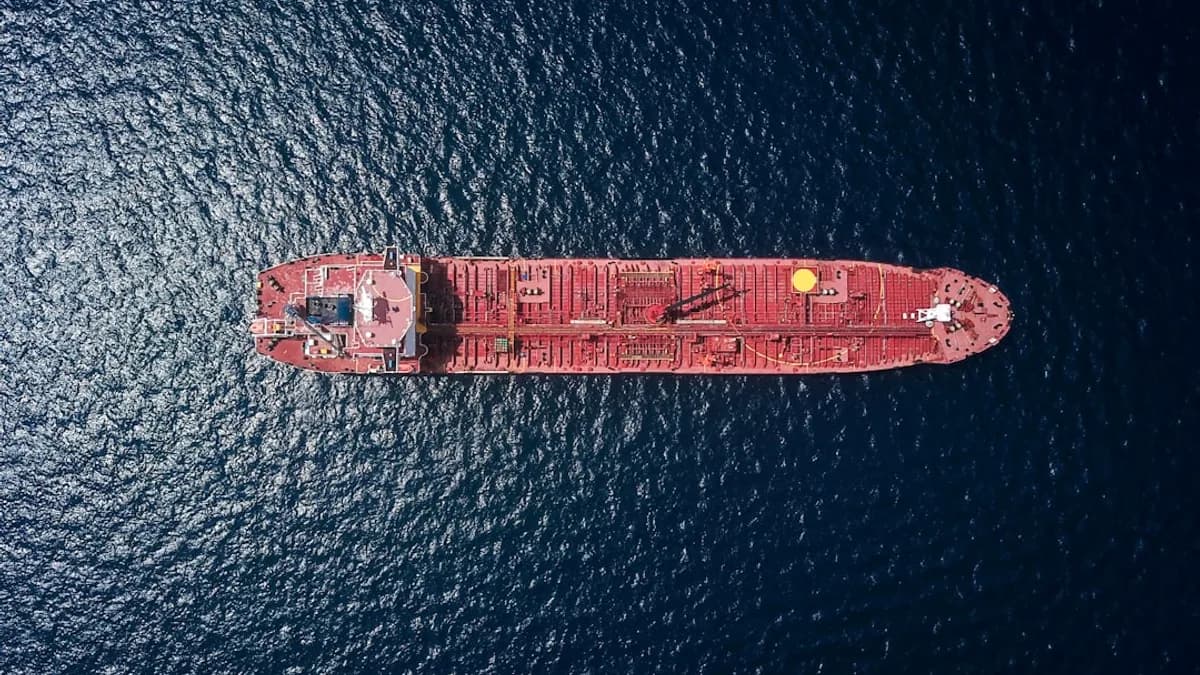
A single explosion can shift the calculus of an entire region—especially when it happens on a vessel transiting the Strait of Hormuz, the world's most volatile oil chokepoint. On June 6, a South Korean tanker was rocked by a blast in these waters, instantly triggering fresh anxiety across energy, shipping, and diplomatic circles. This is not just another maritime incident; it's a signal that the security environment in the strait, already tense, is becoming even more unpredictable according to CryptoBriefing.
The Strait of Hormuz is the artery for roughly one-fifth of global oil shipments, making it the single most strategically vulnerable stretch of ocean for energy markets. Any disruption—whether piracy, sabotage, or state-sponsored attacks—has immediate ripple effects on supply, pricing, and insurance. The South Korean vessel explosion comes on the heels of escalating rhetoric between Iran and Gulf neighbors, with ongoing proxy conflicts and naval posturing intensifying the risk of miscalculation. Even before this incident, the strait was a focal point for drone strikes, mine-laying, and hijackings, all of which have chipped away at the sense of safety for commercial operators.
With the explosion, the list of potential antagonists expands: state actors, non-state actors, and even rogue factions with their own agendas. Every incident adds layers to the diplomatic challenge, complicating efforts to build regional consensus around maritime security. Gulf nations now face a dilemma—tighten their security measures and risk confrontation, or loosen them and invite further instability. The South Korean explosion is not just a symptom; it's another accelerant in a region already primed for conflict.
Quantifying the Threat: Data on Maritime Incidents and Oil Flow Disruptions in the Strait of Hormuz
Numbers tell a story that headlines can’t. Over the past decade, the Strait of Hormuz has seen a surge in maritime incidents—at least 22 documented attacks on oil tankers and merchant vessels since 2014, according to Lloyd’s List Intelligence. The most notorious spike came in 2019, when six tankers were attacked within a single month, sending oil prices jumping 4% overnight and insurance premiums for ships transiting the strait surging by as much as 300%.
On average, 17.2 million barrels of oil per day—about 20% of global consumption—pass through the strait. A single day's disruption translates to billions of dollars in lost revenue and logistical chaos for refiners and traders worldwide. In 2023, the total cargo value passing through Hormuz exceeded $1 trillion, making it not just a regional asset but a linchpin for global trade.
Instability hits insurers first. War-risk premiums, which hovered around $30,000 per voyage in early 2018, now routinely exceed $185,000 following major incidents. Shipowners have responded: at least 15% of tankers now reroute via longer, costlier paths when threats spike, adding days and millions in extra fuel costs. For every vessel lost or delayed, the knock-on effect is felt in Rotterdam, Shanghai, and Houston—where supply crunches and price volatility ripple instantaneously. The South Korean explosion fits a pattern: every incident raises the baseline for risk, cost, and uncertainty.
Diverse Stakeholder Reactions to the South Korean Vessel Explosion in the Strait of Hormuz
South Korea wasted no time, demanding a full investigation and dispatching diplomatic envoys to Tehran and Abu Dhabi. The country's trade ministry warned that any prolonged disruption would threaten Korea's energy security—a key vulnerability, given its near-total dependence on Middle Eastern oil. Seoul's naval presence in the region, already bolstered since the 2021 tanker seizure by Iran, may see further escalation.
Gulf states, especially the UAE and Saudi Arabia, condemned the explosion and called for tighter multinational patrols. Iranian officials, predictably, denied involvement but hinted at foreign "provocation," a familiar refrain amid ongoing US naval deployments. The US Navy, which maintains a constant presence in the Fifth Fleet, responded by intensifying joint exercises with regional partners and issuing new advisories to commercial operators. China, a top Hormuz oil importer, urged restraint and proposed a regional security dialogue, reflecting its growing stake in stable energy flows.
Shipping companies, meanwhile, face a grim calculus: reroute and absorb costs, or risk transit and spike insurance. Maersk and BP flagged heightened risk in quarterly guidance, while energy analysts at Wood Mackenzie warned that even minor incidents now have outsized influence on futures markets. Calls for increased security cooperation—ranging from expanded naval escorts to data-sharing on vessel movements—are gaining traction. But the underlying reality is clear: every stakeholder is scrambling to protect their interests, and consensus is as elusive as ever.
Historical Patterns of Maritime Conflict in the Strait of Hormuz and Their Lessons for Today
History’s lessons come at a price. The 1980s “Tanker War” during the Iran-Iraq conflict saw over 400 ships attacked, with insurance premiums and oil prices spiking, and US intervention ultimately required to secure the strait. The 2019 attacks, though smaller in scale, triggered immediate price jumps ($2 per barrel) and led to a rapid build-up of multinational naval presence—Operation Sentinel, a US-led coalition, now patrols these waters.
Compared to prior incidents, the South Korean explosion is less deadly but more symbolically potent. It underscores the vulnerability of non-Gulf actors, showing that even distant powers are exposed to Hormuz’s volatility. Historical responses have shaped current frameworks: today, naval coalitions operate under stricter rules of engagement, and satellite surveillance is routine. Yet, reactive measures have not solved the underlying problem—deterrence is only as effective as the willingness of regional powers to cooperate.
The lesson from past crises: each escalation brings closer the risk of accidental conflict, diplomatic breakdown, or sustained disruption. After the 2019 tanker attacks, insurance markets took months to normalize, and oil logistics remained jittery. If the South Korean explosion triggers a similar sequence, expect both short-term volatility and long-term recalibration of security protocols. The strait’s history is a playbook for escalation—and a warning for complacency.
Implications of the Vessel Explosion for Global Energy Markets and Maritime Trade
Energy markets react to risk, not just reality. The South Korean explosion, arriving amid already high tensions, has prompted oil traders to price in a new premium for Hormuz-linked barrels—ICE Brent futures rose $1.30 within 48 hours, and volatility indices spiked 18%. Spot prices for Middle Eastern crudes may swing more wildly, as buyers hedge against further disruptions.
Supply chains feel the impact immediately. Shipping lines reroute or delay tankers, leading to bottlenecks at refineries in Asia and Europe. In 2019, similar disruptions cut Japanese imports by 12% in a single quarter and forced Indian refiners to tap emergency reserves. The current incident could trigger a repeat, especially if insurance costs and war-risk premiums remain elevated.
Longer-term, instability in the strait accelerates energy diversification. European and Asian buyers ramp up LNG contracts, invest in strategic reserves, and push for alternative supply routes (like the Red Sea or East Med pipelines). Gulf producers, in turn, look to build more storage and export capacity outside Hormuz—Abu Dhabi’s Fujairah terminal is a prime example, now handling 1.5 million barrels per day. The South Korean explosion might be a catalyst: for every new risk, there’s a fresh incentive to reduce dependence on one narrow passage.
Forecasting the Future: Potential Scenarios for Strait of Hormuz Stability and Global Energy Security
The next moves will shape more than regional headlines. If Gulf states and their allies ramp up naval patrols, expect a temporary dip in attacks—but also risk of escalation, especially if Iran perceives encirclement. Diplomatic breakthroughs remain possible; China and India, both major oil importers, are quietly pushing for an expanded regional security pact, hoping to avoid being collateral damage in a Gulf showdown.
The most likely scenario: short-term volatility in oil prices, a spike in shipping insurance, and a scramble for alternative routes. Longer-term, multinational security investment will grow—expect new drone surveillance, joint naval exercises, and possibly a formalized Hormuz Maritime Security Agreement. Energy policies will tilt toward diversification: new LNG terminals, strategic reserves, and pipeline investments.
A more radical outcome is less probable but not out of the question. If tensions spiral and the strait is closed, global oil prices could leap 30% or more, triggering recessionary pressure and forcing emergency coordination among G20 nations. The South Korean explosion is not the tipping point, but it’s another signpost: the path to stable energy flows now runs through a minefield, and every actor is recalculating the risks.
For investors and operators, the actionable takeaway is clear: volatility is now baked into Hormuz. Hedging strategies, alternative sourcing, and political risk analysis are not optional—they’re the baseline. The strait’s instability is no longer a theoretical concern; it’s a daily variable, and every incident rewrites the risk-reward equation for global energy and trade.
Impact Analysis
- The explosion highlights rising security risks in the Strait of Hormuz, a critical route for global oil shipments.
- Increased instability threatens supply chains and can drive up energy prices worldwide.
- Ongoing incidents complicate diplomatic efforts and raise the likelihood of regional conflict.