Iran Accuses US Warship of Provocation in Strait of Hormuz
Iran claims its navy intercepted a US warship near the Strait of Hormuz on Saturday, forcing it to turn back after what Tehran describes as “provocative maneuvers.” The Iranian military says the incident took place in the early hours of May 4, just north of the vital maritime chokepoint where roughly 20% of the world’s oil passes every day, according to Al Jazeera.
Iran’s Islamic Revolutionary Guard Corps (IRGC) named the USS Thomas Hudner—a US Navy Arleigh Burke-class destroyer—as the vessel at the center of the confrontation. Rear Admiral Alireza Tangsiri, commander of Iran's navy, stated that Iranian naval assets, including fast attack boats and drones, “compelled” the US destroyer to change course after it allegedly entered Iran’s territorial waters without clearance. Iranian state media quickly broadcast what it claimed was radio chatter demanding the US ship withdraw, though no independent verification of these communications has surfaced.
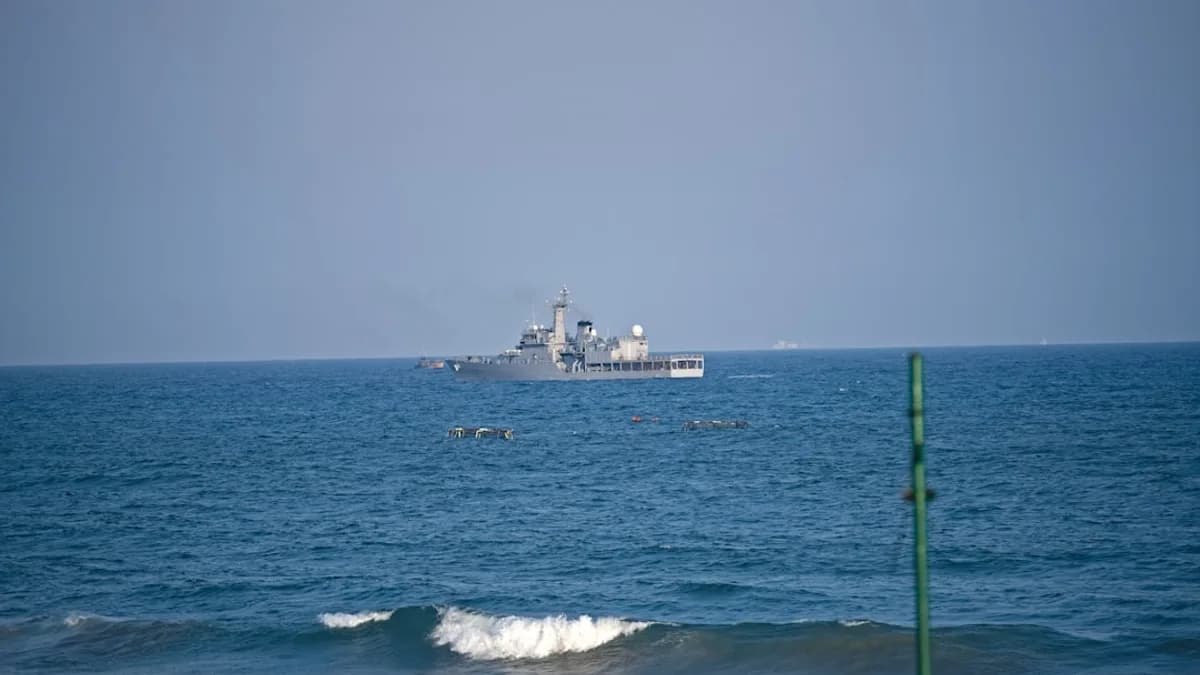
Iranian officials framed the move as a defense of national sovereignty and maritime law, warning that all foreign vessels must obtain prior permission to enter Iranian waters in the Strait. The IRGC released grainy video footage showing a gray-hulled warship at a distance, but the imagery does not clearly confirm a direct encounter or retreat. Tehran doubled down on its narrative, calling the episode a “lesson” for foreign navies operating near its coast.
US Denies Clash Amid Rising Tensions in Strategic Waterway
The US Navy flatly rejects Iran's version of events. A spokesperson for the Fifth Fleet, based in Bahrain, stated there was “no confrontation, no deviation from our planned operations, and no incursion into Iranian waters.” US officials insist that the Thomas Hudner was conducting routine navigation in international waters, as permitted under the UN Convention on the Law of the Sea, and that their warship never altered its course due to Iranian pressure.
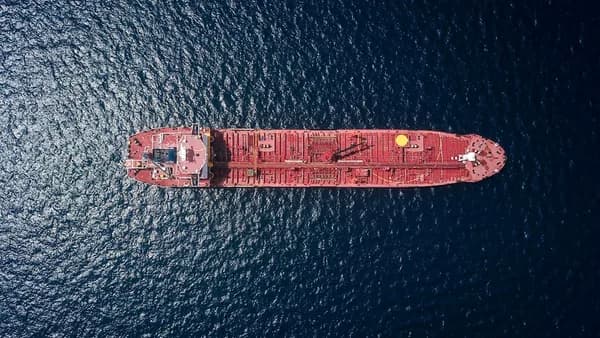
This isn’t the first time Tehran and Washington have traded accusations in the Strait. The 39-kilometer-wide bottleneck has repeatedly served as a flashpoint. In July 2019, Iranian forces seized a British-flagged tanker, triggering a naval escort operation by the UK. In April 2023, the US military reported over 30 unsafe or unprofessional encounters with Iranian vessels in the Gulf and Strait in the preceding year. Each incident risks sparking miscalculation, given the density of commercial and military traffic—every day, more than 50 tankers and cargo ships transit these waters.
Beyond the immediate he-said-she-said, the stakes are global. The Strait of Hormuz channels nearly a fifth of the world’s daily oil supply—some 17 million barrels—mostly bound for Asia and Europe. Any credible threat to shipping here sends a jolt through energy markets and insurance premiums. After the 2019 tanker attacks, Lloyd’s of London hiked war risk premiums by up to 10x, and Brent crude spiked $2 a barrel overnight.
The conflicting narratives also throw sand in the gears of diplomacy. The US and Iran remain at loggerheads over nuclear policy, regional proxies, and sanctions. Each side uses these maritime incidents to rally domestic opinion and test red lines. The lack of a trusted deconfliction channel—since the collapse of the 2015 nuclear deal—means even minor encounters carry outsize risk.
What to Watch Next: Potential Escalation and International Responses
Neither side shows any appetite for backing down. Iran has already ordered more naval patrols and drone overflights in the Strait, according to local media. The US, for its part, recently announced a new rotation of carrier strike groups and drone surveillance assets in the Gulf, as part of Operation Sentinel. Both militaries are likely to stage additional “freedom of navigation” transits in the coming weeks, each shadowed by the other.
International actors may try to cool tempers. The UN’s International Maritime Organization could broker a technical meeting on navigation rights, though past efforts have floundered amid mutual suspicion. Gulf Arab states—especially the UAE and Saudi Arabia—have a direct economic stake in keeping the Strait open, and may quietly urge restraint on both sides, even as they bolster their own naval monitoring.
Diplomatic channels remain thin, but not extinct. Recent back-channel talks between Iran and the US in Oman focused on prisoner swaps and de-escalation protocols—these could expand if both sides see advantage in tamping down risks. Any miscalculation, however, could roil oil markets overnight: a single confirmed clash could push Brent prices up $5–10 in a day, according to Goldman Sachs energy analysts.
The real test will be whether this episode triggers new rules of engagement or just another round of brinkmanship. Investors will watch tanker traffic data, insurance premiums, and official statements for early signs of escalation—or de-escalation—in the world’s most sensitive maritime corridor.
Impact Analysis
- The Strait of Hormuz is a critical chokepoint for global oil supply, making regional stability essential.
- Conflicting narratives between Iran and the US fuel tensions and risk potential military escalation.
- Unverified claims and propaganda highlight the challenges of transparency in international incidents.