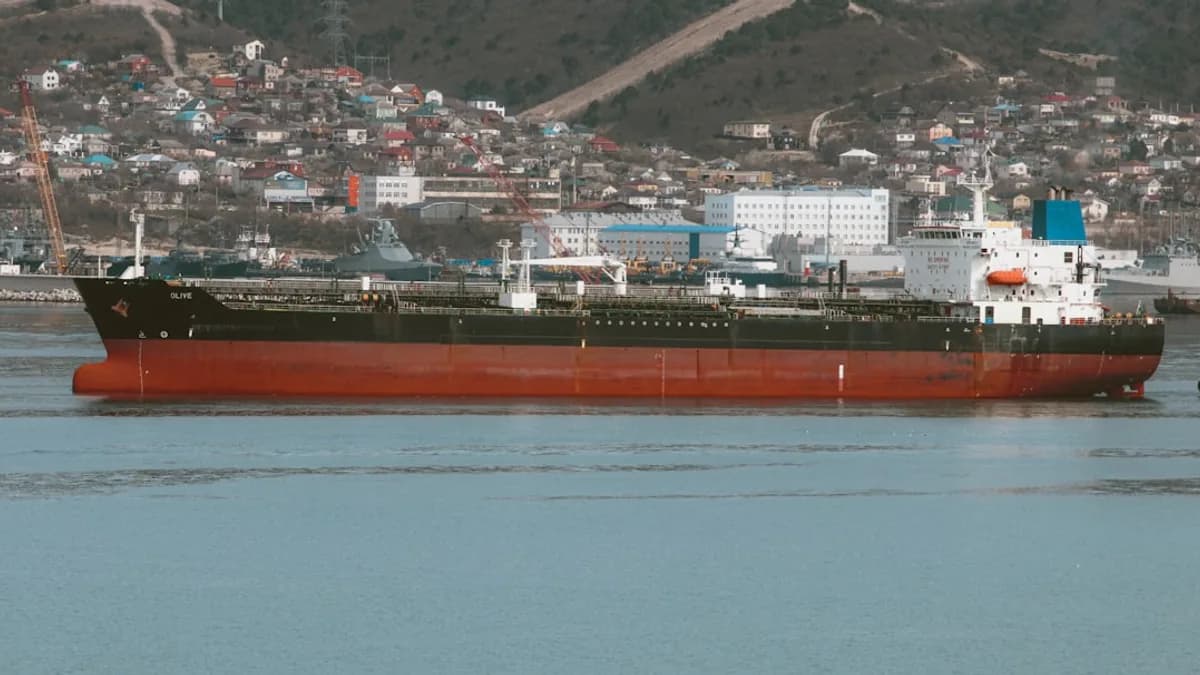
Introduction: Escalation in the Strait of Hormuz
A new wave of violence has erupted in the Strait of Hormuz, one of the world’s most strategically significant maritime corridors, following a declaration by Iran that it will exercise strict control over the vital shipping route. At least two merchant vessels, both Indian-flagged, came under fire as they attempted to navigate the strait, prompting immediate distress calls and raising global alarm over maritime safety [Source: Source]. The Strait of Hormuz is the gateway for nearly a fifth of global oil and gas shipments, making any disruption a matter of urgent international concern. The latest attacks have sent shockwaves through the shipping industry, with many operators reassessing their routes and security protocols amid fears of further escalation.
Details of the Attacks on Indian Ships
The incidents began early Thursday morning, when two Indian merchant vessels reported coming under direct fire while transiting the Strait of Hormuz. According to shipping sources and distress audio obtained by international media, both ships issued urgent mayday calls as gunfire erupted nearby [Source: Source]. In one recording, a crew member is heard pleading with authorities: “You gave clearance,” highlighting the confusion and chaos on board [Source: Source]. The precise nature of the attacks remains under investigation, but initial reports suggest the vessels were targeted as they attempted to cross from the Arabian Gulf into the wider Arabian Sea.
Indian maritime authorities confirmed that both ships sustained minor damage but managed to proceed to safety without casualties. The Indian Ministry of External Affairs condemned the attacks, calling them “unprovoked acts of aggression” and demanding an immediate explanation from the Iranian government. Shipping industry analysts noted that the ships were following established maritime corridors, raising questions about the security of even routine commercial traffic in the region. The attacks have already prompted Indian shipping companies to review risk assessments and consult with international partners about potential rerouting or enhanced security measures.
Iran's Declaration of Strict Control Over the Strait
The attacks came hours after Iran officially announced it would enforce “strict and comprehensive control” over all maritime traffic passing through the Strait of Hormuz [Source: Source]. In a statement broadcast by state media, Iranian officials asserted that the move was necessary to “ensure national security and protect Iranian interests” in the face of what it described as growing threats from foreign powers. This declaration follows months of heightened tensions in the region, with Iran repeatedly warning against what it sees as provocations by Western navies and commercial interests.
Iranian authorities have denied direct involvement in the attacks, instead blaming unnamed “external actors” for stoking instability. However, Tehran’s assertion of control is widely seen as a demonstration of its ability to influence — and potentially disrupt — the free flow of shipping through one of the world’s most critical chokepoints. Analysts point to Iran’s longstanding strategy of using the strait as leverage in its broader geopolitical confrontation with the United States and its allies. The latest developments suggest Tehran is prepared to escalate its posture in response to international pressure and ongoing sanctions.
International Reactions and Security Implications
The international response to the attacks and Iran’s declaration has been swift and deeply concerned. The United States, which maintains a significant naval presence in the Gulf to protect shipping lanes, condemned the incidents and called for “unimpeded freedom of navigation” in the strait. European leaders, including those from the UK and France, have echoed these sentiments, warning that any disruption to the flow of oil and goods through Hormuz could have “catastrophic consequences” for the global economy [Source: Source].
India has summoned the Iranian ambassador to demand a full investigation and assurances of maritime safety. Meanwhile, global energy markets have already felt the impact, with crude oil prices spiking in immediate reaction to the news. Shipping firms are weighing the risks of continued transit through the strait, with several major operators reported to be considering alternative routes, despite the increased costs and logistical challenges involved.
In response, the US Navy’s Fifth Fleet has increased its patrols in the region, and additional warships from allied nations are reportedly en route. The International Maritime Organization (IMO) has issued an advisory to all vessels operating in the Gulf, urging heightened vigilance and strict adherence to security protocols. Insurance premiums for transiting the Strait of Hormuz are expected to rise sharply, further complicating the economic calculus for global shipping and energy supply chains.
Security analysts warn that the risk of miscalculation or accidental escalation is now higher than at any point in recent years. The presence of multiple military forces in the crowded and narrow waterway increases the possibility of clashes, while non-state actors may seek to exploit the instability for their own purposes. For now, the situation remains fluid, with diplomatic channels working overtime to prevent a broader crisis.
Historical Context and Previous Incidents in the Strait
The Strait of Hormuz has long been a flashpoint in Middle Eastern geopolitics, prized for its strategic position as the narrow passageway between the Persian Gulf and the open ocean. It is estimated that up to 20% of the world’s petroleum passes through this channel each day [Source: Source]. The region has witnessed repeated incidents over the past decades, including the mining of ships during the Iran-Iraq War, the downing of Iran Air Flight 655 by a US Navy cruiser in 1988, and a string of tanker attacks in 2019 blamed on Iranian forces or their proxies.
These incidents underscore the strait’s vulnerability to both state and non-state actors seeking to leverage global dependence on its waters. The current escalation fits a familiar pattern of brinkmanship, where control over the strait becomes a bargaining chip in larger diplomatic and military standoffs. With global energy security and regional stability at stake, the actions of any party in the Strait of Hormuz are closely watched by governments and markets worldwide.
Conclusion: Outlook and Ongoing Developments
The situation in the Strait of Hormuz remains highly volatile, with the recent attacks on Indian ships and Iran’s declaration of strict control signaling a dangerous new phase in regional tensions. While no fatalities have been reported, the potential for further escalation is significant, particularly as military and commercial vessels continue to operate in close proximity under heightened alert [Source: Source]. Diplomatic efforts are underway to de-escalate the crisis, but the risk of miscalculation or further incidents cannot be discounted.
Maritime operators are advised to exercise extreme caution, stay informed of security advisories, and coordinate closely with naval forces when planning transits through the strait. For international stakeholders, the unfolding events are a stark reminder of the continued fragility of critical global trade routes and the urgent need for robust diplomatic engagement to prevent wider conflict. The world will be watching closely as the situation develops, with hopes pinned on dialogue and restraint prevailing over confrontation.