Introduction: Overview of the Severe Weather Outbreak
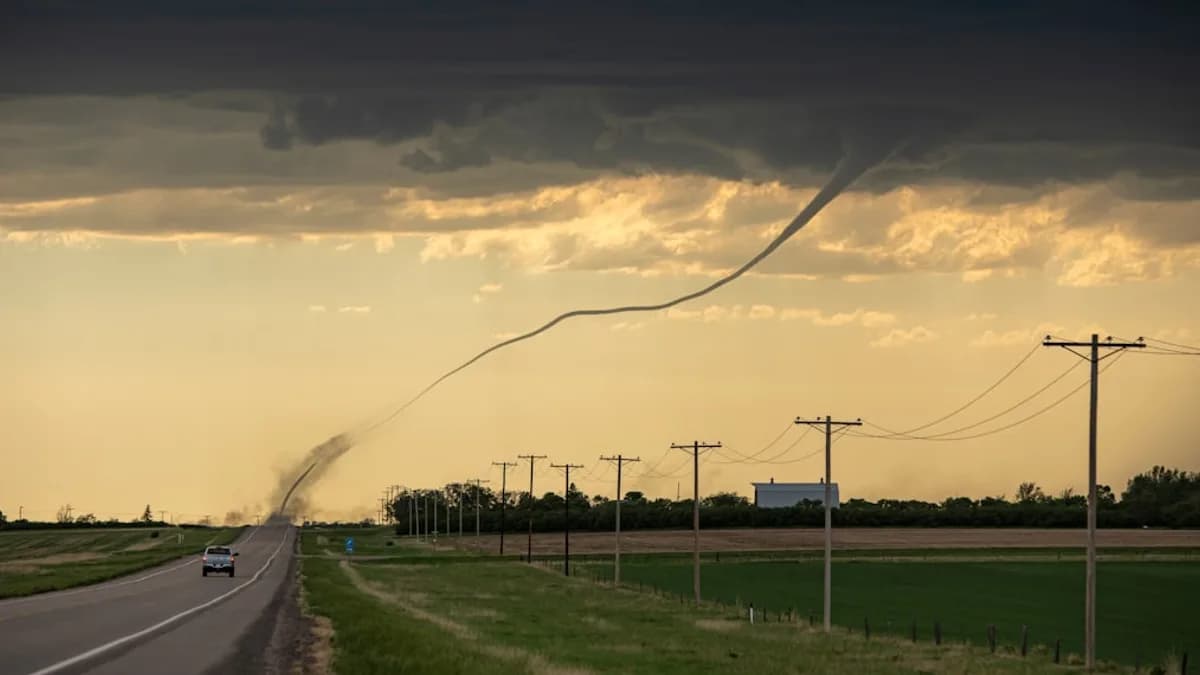
A powerful severe weather outbreak swept through the Plains and Midwest regions this week, leaving a trail of destruction across multiple states. The storms unleashed a combination of damaging winds, torrential rain, and numerous tornadoes, causing widespread property damage and significant power outages. Several communities faced uprooted trees, downed power lines, and battered buildings as the storms moved rapidly across the heartland. Despite the intensity and scope of the event, no deaths have been reported so far, marking a fortunate outcome amid the chaos. As residents assess the damage and begin recovery efforts, meteorologists warn that the threat of severe weather is not over, with more storms possible in the coming days [Source: Source].
Impact and Damage Across the Midwest
The severe weather outbreak delivered a series of tornadoes and fierce winds that battered the Midwest, impacting states from the Plains to the Great Lakes. Local authorities reported that tornadoes touched down in several locations, including a confirmed strike in Hatfield, Wisconsin. In Hatfield, the tornado tore through neighborhoods, uprooting large trees, snapping power poles, and damaging homes and local infrastructure. The storm’s force left streets strewn with debris and caused significant disruptions to daily life [Source: Source].
Across the broader Midwest, similar scenes played out as the storms advanced. Communities in Iowa, Illinois, and parts of Minnesota experienced high winds that toppled trees and utility poles, damaging vehicles and buildings. Some rural areas reported barns and outbuildings destroyed, while urban centers faced blocked roads and scattered debris.
Power outages were widespread, with thousands of households left without electricity as utility crews worked to restore service. Downed power lines posed additional hazards, prompting emergency services to issue warnings and cordon off affected areas. In several towns, local schools and businesses closed temporarily due to storm damage and ongoing safety concerns.
Despite the heavy damage, local officials expressed relief that there were no fatalities or serious injuries reported in the immediate aftermath. Emergency responders swiftly deployed to the hardest-hit areas, conducting welfare checks and assisting with cleanup operations. The swift response and adherence to severe weather warnings likely played a role in minimizing casualties during the outbreak [Source: Source].
Weather Conditions and Forecast
Meteorologists attribute the outbreak to a potent combination of atmospheric instability, warm moist air from the Gulf of Mexico, and a strong cold front advancing from the west. These ingredients created the conditions necessary for explosive thunderstorm development and tornado formation. As the system moved eastward, it generated multiple lines of severe storms, producing destructive winds and large hail in addition to tornadoes [Source: Source].
As of the latest updates, some areas in the Great Lakes and Appalachian regions remain under threat from ongoing storms. The Weather Channel and other meteorological agencies have issued severe weather watches and warnings, urging residents to remain alert for rapidly changing conditions. The National Weather Service highlighted the risk of additional tornadoes, damaging winds, and heavy rainfall through the next day as the storm system continues its march eastward.
The forecast indicates that while the initial outbreak is subsiding in the central Plains, a final day of severe weather is expected in parts of the Great Lakes and Appalachians. Forecasters advise residents in these areas to prepare for the possibility of further storms, emphasizing the importance of heeding local advisories and having contingency plans in place [Source: Source].
For those in affected and at-risk regions, the next 24 hours are crucial. Authorities recommend closely monitoring weather updates and having access to shelter should tornado warnings be issued. The unpredictable nature of severe weather systems means that conditions can deteriorate rapidly, underscoring the need for continued vigilance.
Response and Preparedness Measures
Local governments and emergency services mobilized quickly as the storms moved through, deploying crews to assess damage, clear debris, and restore essential services. In areas like Hatfield, first responders worked through the night to check on residents, secure downed power lines, and coordinate with utility companies to expedite power restoration [Source: Source].
Community organizations and volunteers have played a vital role in the immediate aftermath, assisting neighbors with repairs and providing shelter for those displaced by storm damage. Temporary shelters were established in some towns to house families affected by the tornadoes, while local businesses offered food and supplies to support recovery efforts.
Preparedness measures prior to the outbreak—such as public alerts, tornado sirens, and community education campaigns—helped ensure that residents took appropriate shelter during the most dangerous periods. Many communities credited these efforts with reducing the risk of injury and saving lives.
As recovery continues, authorities urge residents to exercise caution when assessing property damage, especially around downed power lines and unstable structures. Utility crews are working as quickly as safety allows, but some areas may experience prolonged outages due to the extent of the damage. Residents are encouraged to report hazards and follow guidance from local officials regarding cleanup and repairs.
For those in regions still under threat, emergency managers recommend reviewing emergency kits, identifying safe shelter locations, and staying tuned to weather updates. Being proactive and prepared can make a significant difference as the severe weather system moves toward the east [Source: Source].
Conclusion: Looking Ahead and Staying Informed
The recent severe weather outbreak across the Plains and Midwest serves as a stark reminder of the power and unpredictability of spring storms. While the region suffered heavy damage, the absence of reported fatalities highlights the effectiveness of advance warnings and community preparedness. As the storm system continues to affect parts of the Great Lakes and Appalachians, staying informed through reliable weather sources is critical.
Residents are encouraged to maintain vigilance, heed emergency instructions, and ensure that safety plans are in place. With the potential for further severe weather in the forecast, preparation and timely action remain the best defenses against nature's extremes. For ongoing updates and safety information, follow trusted weather authorities and local officials to stay ahead of changing conditions [Source: Source].