Introduction: Unveiling the Hidden Conflict Between Saudi Arabia and Iraq
Beneath the headlines of Middle East geopolitics, a subtler but deeply consequential struggle is unfolding between Saudi Arabia and Iraq. While both nations publicly project cooperation, a series of pro-Iranian militia attacks targeting Saudi oil infrastructure—launched from Iraqi territory—has thrust their relationship into a precarious state. In response, Saudi Arabia and its Gulf allies have summoned Iraqi envoys and considered escalating the dispute to the United Nations [Source: Source]. This hidden war, occurring within the shadow of the broader Iran-US rivalry, threatens not only bilateral ties but also the security of the entire Gulf region and the stability of global energy markets. This article examines the historical roots, recent flashpoints, and strategic implications of this rarely discussed but highly significant conflict, offering expert analysis on where the region may be headed next.
Background: Historical and Geopolitical Context of Saudi-Iraq Relations
The relationship between Saudi Arabia and Iraq has long oscillated between wary engagement and outright hostility, shaped by shifting regional alliances and external interventions. Historically, Iraq and Saudi Arabia have competed for influence in the Arab world. During the Cold War, Iraq—under Saddam Hussein—sought to position itself as a pan-Arab leader, often at odds with the monarchy in Riyadh. The 1980s Iran-Iraq War saw Saudi Arabia tacitly supporting Baghdad as a counterweight to revolutionary Iran. Yet, Iraq's 1990 invasion of Kuwait, and the subsequent Gulf War, shattered any semblance of trust. Riyadh, alarmed by Baghdad’s aggression, cut ties and supported international sanctions.
The 2003 US-led invasion of Iraq dramatically altered the regional landscape. The removal of Saddam Hussein paved the way for a Shia-majority government in Baghdad, expanding Iran’s influence across the country. Tehran’s deep ties to various Iraqi political factions and armed groups have since complicated Saudi-Iraq relations. Riyadh views the growing presence of Iranian-backed militias in Iraq as a direct threat to its security and regional leadership.
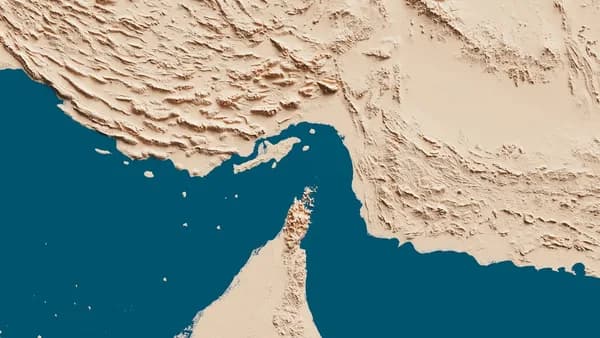
Oil remains a central, if unstated, axis of this rivalry. Both nations are major OPEC producers, and their policies have global repercussions. Saudi Arabia’s stability and security are deeply intertwined with its ability to protect its oil infrastructure—a vulnerability that is not lost on its adversaries. The Gulf’s narrow waterways, dense with energy shipments, are a perennial flashpoint, making any escalation between Saudi Arabia and Iraq a matter of international concern.
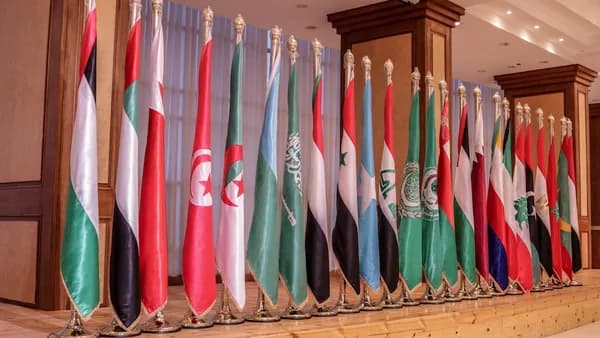
Today, regional alliances remain fluid. The Gulf Cooperation Council (GCC) faces internal divisions, Iran vies for influence across Iraq, Syria, and Lebanon, and outside actors—including the US, Russia, and China—compete for a stake in the region’s future. Against this backdrop, the simmering tensions between Saudi Arabia and Iraq are not simply bilateral disputes but are embedded in a tapestry of regional power struggles.
Recent Escalations: Pro-Iranian Militia Attacks and Diplomatic Fallout
Recent months have seen a marked uptick in attacks on Saudi interests, with pro-Iranian militias in Iraq launching drones and other projectiles targeting Saudi oil infrastructure and critical facilities [Source: Source]. These strikes, though not always successful in causing catastrophic damage, have sent a clear message: Saudi Arabia remains within reach of Iran’s regional proxies.
Saudi Arabia’s reaction has been swift and unmistakably public. The kingdom summoned the Iraqi ambassador to deliver a formal protest, demanding action against militias operating on Iraqi soil. Bahrain, another Gulf monarchy with deep security concerns about Iranian influence, followed suit by summoning the Iraqi envoy after similar attacks threatened Gulf shipping lanes [Source: Source]. These moves are not mere diplomatic rituals; they signal a coordinated Gulf effort to pressure Baghdad into reining in these groups.
The broader GCC is now considering escalating the matter at the United Nations, a step that underscores the severity with which the Gulf states view these attacks [Source: Source]. Such a move could internationalize the dispute, drawing in global powers and potentially triggering new diplomatic or economic measures against Iraq.
Complicating matters is the temporary truce between Iran and the United States, which has calmed some regional flashpoints but created new uncertainties. With Tehran seeking to avoid direct confrontation with Washington, its allied militias have been given more leeway to harass Saudi interests—offering plausible deniability while advancing Iran’s strategic objectives. Iraq, caught in the crossfire, struggles to assert control over autonomous militias that answer more to Tehran than to Baghdad.
The diplomatic fallout is already evident. Saudi-Iraq relations have cooled, with joint projects and economic initiatives put on hold. The specter of further attacks rattles investor confidence, while the potential for miscalculation or escalation remains ever-present.
Strategic Implications: What the Hidden War Means for Gulf Stability and Global Energy Markets
The covert conflict between Saudi Arabia and Iraq, waged by proxy militias, carries profound risks for Gulf security and the wider world. The Gulf is the linchpin of global energy supply, with roughly one-fifth of the world’s oil passing through its waterways. Disruptions to Saudi oil infrastructure—like the 2019 Abqaiq-Khurais attack, which temporarily cut global supplies by 5%—can trigger price spikes and economic reverberations far beyond the region.
The latest wave of attacks underscores the vulnerability of critical infrastructure to asymmetric warfare. Drones and short-range missiles, deployed by non-state actors, are cheap and hard to intercept, giving Iran and its proxies a powerful tool to project influence and deter adversaries. Each successful or near-miss attack chips away at the perception of Saudi invulnerability and emboldens other groups in the region.
For Saudi Arabia, these threats are doubly destabilizing: they imperil both national security and the credibility of its Vision 2030 economic transformation, which hinges on foreign investment and diversification away from oil. The kingdom’s response—balancing deterrence with diplomatic outreach—reflects awareness that escalation could draw the US, Israel, and others into a broader regional conflagration.
The involvement of US and international actors adds further complexity. The Iran-US truce, while reducing the risk of direct conflict, leaves unresolved the issue of proxy warfare. Washington’s ability to pressure Baghdad or Tehran remains limited, especially as both countries seek to cultivate ties with Russia and China. Meanwhile, the UN may prove a blunt instrument for resolving a conflict rooted in local power dynamics and competing regional visions.
Ultimately, the hidden war between Saudi Arabia and Iraq is not just a bilateral contest—it is a microcosm of the evolving security order in the Gulf. As state power fragments and non-state actors gain prominence, policymakers and investors alike must grapple with a landscape in which traditional deterrence is no longer sufficient.
Diplomatic Challenges and Prospects for De-escalation
Iraq’s central government faces formidable obstacles in controlling the proliferation of pro-Iranian militias within its borders. Many of these groups, originally mobilized to fight ISIS, have since entrenched themselves as powerful political and military actors, often outstripping Baghdad’s writ. Efforts to integrate them into the national security apparatus have met with only partial success, leaving the government vulnerable to both domestic backlash and foreign pressure.
For Saudi Arabia, the challenge is to calibrate its response—projecting strength without triggering a broader confrontation that could spiral out of control. Riyadh’s diplomatic strategy has so far focused on public condemnation and multilateral engagement through the GCC and the UN, aiming to isolate Iraq diplomatically while keeping escalation at bay.
The GCC, historically a forum for collective security, now finds itself divided over how to address the Iran-Iraq nexus. While Bahrain and the UAE have taken a hard line, others like Qatar and Oman prefer dialogue. This lack of consensus complicates efforts to present a united front or mediate effectively.
International actors, particularly the US and the EU, have an opportunity to play a constructive role. By supporting Iraqi state institutions and incentivizing security sector reform, external partners can help Baghdad reassert control and reduce the militias’ leverage. However, absent sustained engagement and clear incentives, progress will be slow.
Pathways to de-escalation remain challenging but not impossible. Enhanced intelligence sharing, confidence-building measures, and targeted economic support for Iraq could help reduce the appeal of militia patronage networks. For Riyadh and Baghdad, incremental trust-building—such as joint border security initiatives—may offer a way forward, even as underlying rivalries persist.
Conclusion: Navigating the Complex Hidden War to Preserve Regional Peace
The hidden war between Saudi Arabia and Iraq is a stark reminder that the Middle East’s most consequential conflicts often unfold away from the front pages. As pro-Iranian militias use Iraqi territory to strike at Saudi interests, the risk of escalation—intentional or accidental—remains acute. The security of the Gulf, and by extension the stability of global energy markets, hangs in the balance.
Coordinated diplomatic action, both within the region and among international stakeholders, is essential to prevent this covert contest from erupting into open conflict. Sustained attention to the activities of armed groups and a renewed commitment to Gulf security will be critical in the months ahead. For Saudi Arabia and Iraq, the path forward lies not in confrontation, but in painstaking diplomacy and the rebuilding of mutual trust—a task as urgent as it is complex in today’s fractured Middle East.