Iranian Ship Crew Transferred to Pakistan Following Seizure
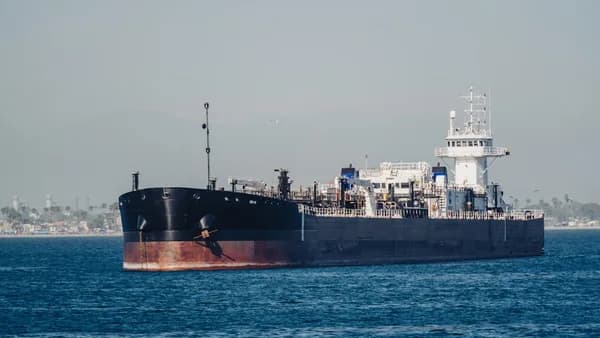
Pakistani authorities have evacuated all 22 crew members from the Iranian-flagged MV Touska, days after the vessel was seized in the Arabian Sea. The crew, all Pakistani nationals, were transferred to Karachi late Friday for repatriation, according to the foreign ministry in Islamabad. Al Jazeera confirmed the handover was coordinated after diplomatic talks between Iran and Pakistan.
The MV Touska was detained by an unidentified third party in international waters south of Oman earlier this week. The ship’s seizure triggered immediate concern for the crew’s safety, as regional tensions have spiked between Iran and Gulf states over the past year. Pakistani officials say the transfer was “purely humanitarian,” emphasizing the crew’s non-involvement in any alleged violations.
Iran has yet to issue a detailed statement on the ship’s cargo or the circumstances behind the seizure. However, the focus on the crew’s swift removal signals an effort to contain the diplomatic fallout and avoid escalation with Pakistan, a critical neighbor and trading partner.
Immediate Diplomatic and Security Implications of the MV Touska Incident
The MV Touska’s detention comes as maritime confrontations surge in the Gulf of Oman and Arabian Sea. Analysts point to a string of recent ship seizures linked to Iran’s standoffs with Western navies and rivals in the Gulf. Since 2021, at least five commercial vessels with Iranian ties have been intercepted or detained in the region, often in response to sanctions violations or suspected arms shipments.
This latest seizure stands out for its timing: just weeks after Tehran denounced new U.S. and EU sanctions, and amid reports of stepped-up naval patrols by both Western and regional powers. Iranian authorities called the crew’s release a “positive step,” but warned that the MV Touska itself remains unlawfully detained. Pakistani officials stressed the importance of keeping repatriation efforts separate from the ongoing investigation into the ship’s activities.
Diplomats in Islamabad and Tehran have both signaled a desire to prevent the case from souring bilateral ties. Pakistan’s foreign ministry described the crew transfer as evidence of “constructive engagement,” but stopped short of commenting on Iran’s claim that the ship was operating within international law. For Pakistan, the incident tests its balancing act: maintaining robust economic ties with Iran while navigating pressure from U.S. and Gulf allies to enforce maritime sanctions.
International maritime organizations have not publicly commented on the Touska seizure, but industry sources say the episode has rattled shippers and insurers. Lloyd’s List data shows a 15% jump in war risk premiums for vessels transiting the Gulf of Oman since January, driven by a rise in armed boardings and detentions. The Touska case could further chill commercial traffic if the investigation drags on or more seizures follow.
Next Steps in the MV Touska Case and What to Watch for in Regional Maritime Affairs
The legal status of the MV Touska remains unresolved, with Iranian officials demanding its immediate release and the detaining party citing “ongoing investigations.” The vessel’s cargo manifest and ownership structure are now under scrutiny by multiple governments. Pakistan is expected to debrief the repatriated crew, but has ruled out any prosecution unless evidence emerges of wrongdoing.
Iranian diplomats are pressing for international mediation, betting that a prolonged standoff could disrupt shipping lanes vital to Gulf oil exports. The case could set a precedent for how nonaligned states like Pakistan respond to crew detentions involving Iranian vessels—especially as sanctions compliance pressure intensifies. Maritime security analysts warn that more aggressive enforcement by Western navies could provoke tit-for-tat responses from Tehran, risking escalation.
Key inflection points to watch: any public findings from the investigation, scheduled talks between Iranian and Pakistani foreign ministries later this month, and possible updates from maritime watchdogs. The next 30 days will reveal whether the Touska incident fades as a diplomatic footnote or sparks a new phase of regional maritime brinkmanship.
For shippers, the lesson is clear: operating in the Arabian Sea and Gulf of Oman now carries heightened risk, with insurance costs and compliance checks set to climb. Navigational caution and real-time intelligence sharing will be critical as rivals test each other’s red lines on the water.
Impact Analysis
- The swift evacuation of the crew avoided a potential humanitarian crisis amid rising regional tensions.
- The incident highlights the vulnerability of commercial shipping in the Gulf and Arabian Sea due to ongoing maritime confrontations.
- Diplomatic coordination between Iran and Pakistan demonstrates efforts to prevent escalation and maintain stable relations.