Why Macron’s Call for US-Iran Coordination Could Shift Middle East Power Dynamics
A French president publicly calling for US-Iran coordination isn’t just diplomatic theater — it’s a signal that Europe wants a seat at the table where real power is brokered. Emmanuel Macron’s push for direct engagement between Washington and Tehran comes as the region teeters between war threats and fragile detente. For Macron, the calculus is blunt: Europe’s energy security hinges on stability in the Persian Gulf, and the continent’s geopolitical relevance depends on being more than a bystander when the US and Iran lock horns.
Macron’s timing isn’t accidental. Since the US withdrawal from the Iran nuclear deal in 2018, European attempts at mediation have been sidelined. But now, as reported by CryptoBriefing, Macron is leveraging the threat of conflict in the Strait of Hormuz to reposition France (and by extension the EU) as a diplomatic broker. By urging coordination, he’s challenging the US’s unilateral approach and signaling to Iran that Europe remains an alternative channel for engagement.
This is a marked contrast to previous years when European voices were drowned out by US sabre-rattling and Iranian defiance. Macron’s intervention isn’t mere posturing — it’s an attempt to reassert European influence at a moment when American and Iranian hardliners are boxed in by domestic pressures. The so-what: If Macron succeeds, expect a recalibrated balance of power in the Middle East, where European mediation becomes a practical reality, not a diplomatic fantasy.
Decoding Trump’s Military Guidance in the Strait of Hormuz: Strategic Calculations and Risks
Trump’s orders for military guidance in the Strait of Hormuz aren’t a return to the gunboat diplomacy of the past, but they signal a willingness to ratchet up pressure if negotiations stall. The guidance, according to the original reporting, involves increased naval readiness and tactical flexibility, aimed at deterring Iranian interference with oil tankers and US assets.
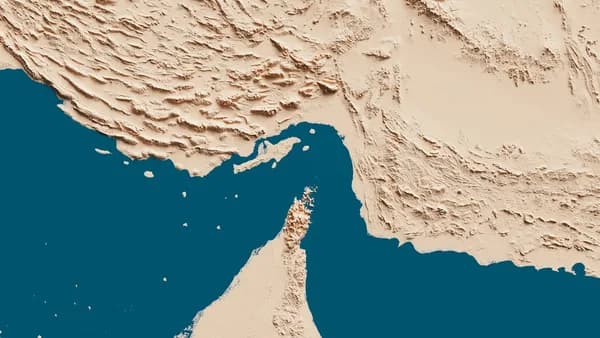
Hormuz remains one of the world’s most critical chokepoints: nearly 21 million barrels per day (about 21% of global consumption) pass through its narrow waters. Any disruption — even a brief skirmish — can send oil prices rocketing and spark panic in energy markets from Tokyo to Rotterdam.
The risks aren’t abstract. The 2019 tanker attacks and US drone downing showed how quickly the region can slide from saber-rattling to real confrontation. Heightened military presence raises the odds of miscalculation: a stray missile, an overzealous patrol boat, or a misread radar signal could trigger full-scale escalation. Trump’s guidance is a signal to Tehran, but the real audience is global investors and allies. The message: Washington will protect oil flows even if it means risking conflict. The downside is clear — the more hardware in Hormuz, the greater the chance of an accidental spark.
Quantifying the Impact: How US-Iran Tensions Influence Global Oil Markets and Economic Stability
Markets don’t wait for war — they react to risk. In the past six months, oil prices have swung by $8-15 per barrel in response to Hormuz-related headlines. When US-Iran tensions flared in January, Brent crude surged from $66 to $71 in less than a week, before tumbling back as diplomatic channels opened. The ripple effect is massive: every $10 move in oil prices adds or subtracts nearly $700 million per day to global energy costs.
For energy-importing nations, volatility translates directly into inflation and balance-of-payments headaches. Asian economies, especially China, South Korea, and Japan, are acutely vulnerable — over 80% of their oil imports transit Hormuz. A full-blown conflict could slash global GDP growth by 0.5-1%, according to IMF modeling after similar incidents.
But the flip side is just as potent. Successful US-Iran coordination, or even the perception of reduced risk, drives prices down and boosts consumer confidence. This dynamic is why traders obsess over every signal from Hormuz: it’s not just about oil, but about the health of the entire financial system. If Macron’s diplomatic gambit and Trump’s calculated military moves stabilize the region, expect a sustained pullback in volatility — and a measurable impact on inflation, trade flows, and central bank policy.
Diverse Stakeholder Perspectives on US-Iran Relations and Hormuz Security Measures
Washington frames its posture as necessary deterrence, arguing that only a credible military threat keeps Iranian adventurism in check. Trump’s team sees the Hormuz crisis as a test of American resolve, with Pentagon planners favoring an agile response but wary of overcommitting.
Tehran, meanwhile, views the US buildup as provocation. Iranian leadership routinely warns that any attempt to block its oil exports will result in “reciprocal action” — code for harassment of tankers or regional proxies ramping up attacks. Iran’s domestic politics complicate matters: hardliners gain leverage whenever foreign threats loom.
Europe, led by Macron, tries to thread the needle: urging diplomacy to avoid escalation, but unwilling to fully break from US policy. European energy companies and insurers are nervous — Lloyd’s of London raised premiums for cargo transiting Hormuz by 20% since late 2023.
Oil exporters (Saudi Arabia, UAE, Iraq) worry about price spikes but also about long-term demand destruction if buyers seek alternatives. Global consumers, especially India and Southeast Asia, lobby for stable transit and avoid picking sides, but their economies would be first to suffer in a crisis.
Military analysts caution that the current mix — high-stakes posturing, crowded waters, and unpredictable actors — is ripe for miscalculation. Diplomatic experts argue that only sustained dialogue, not military brinkmanship, will reduce risk. The consensus: everyone wants stability, but no one trusts the other to deliver it unilaterally.
Tracing the History of US-Iran Tensions and Military Engagements Around the Strait of Hormuz
Hormuz has been the flashpoint for US-Iran antagonism since the 1980s. Operation Earnest Will (1987-88) saw US Navy escorts for Kuwaiti tankers during the Iran-Iraq War, culminating in the accidental shooting down of Iran Air Flight 655 — a tragedy that still poisons bilateral relations.
In 2008, a series of naval encounters nearly triggered conflict, but back-channel communications averted escalation. The 2011-12 “Hormuz crisis” saw Iran threaten to block the strait in response to sanctions, prompting the US Fifth Fleet to deploy additional assets. Each time, the pattern is familiar: military buildup, market panic, diplomatic scramble, and eventual de-escalation.
Recent years brought new twists: drone warfare, cyber-attacks, and proxy conflicts in Yemen and Syria. But the underlying dynamic hasn’t changed — Hormuz is both a pressure point and a barometer of US-Iran relations. What’s different now is the European attempt to mediate, and the intertwining of oil market stability with broader financial flows. History suggests brinkmanship can be contained if all sides see value in restraint. But the memory of past missteps lingers: one wrong move could shatter that balance.
What Macron’s Diplomatic Push and Trump’s Military Orders Mean for Global Security and Energy Markets
If Macron’s diplomatic push gains traction, expect a fundamental shift in how Middle East security is managed. A coordinated US-European approach could marginalize hardliners in Tehran and Washington, setting a precedent for multilateral crisis management. That would mean fewer unilateral threats, more predictable military deployments, and a clearer channel for negotiation — not just in Hormuz but across the region.
For global energy markets, reduced Hormuz risk would stabilize supply chains and dampen price volatility. Oil producers would gain planning certainty, and importers could hedge less defensively. The insurance industry, battered by rising war-risk premiums, would welcome any de-escalation, freeing up capital for other investments.
Diplomatically, successful coordination would pressure other regional actors (Saudi Arabia, Israel, Gulf states) to recalibrate their security postures. It could also influence international norms: multilateral engagement becomes the default, not the exception. The so-what for readers: energy security and global trade become less hostage to regional brinkmanship, and financial markets can price risk more accurately.
Forecasting the Future: Potential Outcomes of US-Iran Coordination and Military Posturing in Hormuz
Watch the next six months. If Macron’s mediation delivers tangible US-Iran engagement — joint crisis hotlines, reduced naval patrols, or even a new round of nuclear talks — oil prices could drop $5-10 per barrel and risk premiums would recede. This scenario would embolden European diplomacy, setting a template for future crises.
If military posturing persists and backchannels fail, expect renewed volatility. A single incident — a damaged tanker, a misfired missile — could send Brent crude above $80 and spark panic among importers. The likelihood of sustained cooperation is modest, but not negligible: both sides face domestic pressures to avoid war, and the economic costs of conflict are rising.
Key indicators to monitor: US and Iranian naval activity in Hormuz, insurance premium movements, diplomatic statements from Paris, Washington, and Tehran, and oil futures market volatility. If hotlines open and military deployments are quietly scaled back, take it as evidence of momentum for coordination. If both sides double down on threats, prepare for a new round of market turbulence.
The takeaway: Macron’s gambit is a test of whether diplomacy can break the cycle of brinkmanship. Trump’s orders are a reminder that military deterrence still shapes the calculus. The outcome will set the tone not just for Hormuz, but for how the world manages the next global flashpoint.
Impact Analysis
- Macron's call for US-Iran coordination signals Europe's intent to play a larger role in Middle East diplomacy.
- Stability in the Strait of Hormuz is vital for global energy security, directly affecting oil supply and prices.
- If successful, European mediation could reshape power dynamics and reduce the risk of conflict between the US and Iran.