Introduction: Understanding the Recent Tornado Outbreak in Olmsted County
Olmsted County, Minnesota, recently experienced a significant tornado outbreak, prompting the Olmsted County Board to issue an official disaster declaration [Source: Source]. This action came after multiple tornado reports, part of a sweeping severe weather event that has battered the broader Midwest region, including the Great Lakes and Appalachians. The declaration is not only a response to immediate damage but also a signal to residents and neighboring communities about the seriousness of the situation and the need for coordinated recovery efforts. In recent days, large swathes of the central United States have faced life-threatening storms, intense tornadoes, and huge hail, with meteorologists warning of continued risks across the Heartland [Source: CNN, FOX Weather, The Weather Channel]. Understanding the implications of such a declaration—and the science and impact behind these tornadoes—is crucial as communities mobilize to respond and recover.
What Is a Disaster Declaration and Why Is It Important?
A disaster declaration is a formal statement issued by local governments, such as county boards, recognizing that a natural event has caused significant disruption and damage. This declaration serves several purposes: it enables the mobilization of emergency resources, triggers support from state and federal agencies, and allows for streamlined coordination of relief efforts. In Olmsted County’s case, the declaration unlocks access to additional funding, technical assistance, and logistical support for affected residents and businesses [Source: Source].
When a disaster is declared, local officials can request aid from state agencies and, if necessary, escalate to federal authorities like FEMA. This process ensures that communities can quickly access shelters, medical aid, and repair services, minimizing the disruption caused by the event. Moreover, disaster declarations help prioritize infrastructure repair and recovery efforts, ensuring that the most severely impacted areas receive attention. Such declarations also play a vital role in the long-term recovery process, supporting mental health resources, rebuilding efforts, and community resilience programs.
The Science Behind Tornado Formation and Outbreaks
Tornadoes are among the most powerful—and unpredictable—weather phenomena. They form when warm, moist air from the Gulf of Mexico collides with cool, dry air from Canada, creating instability in the atmosphere. This instability, combined with strong wind shear (changes in wind speed and direction), leads to the development of rotating thunderstorms known as supercells. Within these supercells, a narrow column of rapidly rotating air can extend from the cloud to the ground, forming a tornado.
A tornado outbreak refers to the occurrence of multiple tornadoes within a short period and concentrated region—often triggered by a single, large-scale weather system. This differs from isolated tornado events, which tend to be singular and less widespread. Outbreaks typically result from prolonged atmospheric instability, where conditions remain favorable for tornado formation over several hours or days.
The Midwest and Heartland regions are particularly vulnerable to tornadoes due to their geography. The flat, open landscape allows for the unimpeded mixing of air masses, creating ideal conditions for supercell development. This area, known as “Tornado Alley,” sees some of the highest tornado frequencies in the world. Seasonal shifts, especially in spring and early summer, further increase the likelihood of outbreaks, as temperature gradients intensify. As seen in Olmsted County and the wider region, these meteorological factors can converge, producing devastating tornado activity [Source: The Weather Channel, CNN].
Impact of the Recent Tornadoes on Olmsted County and Surrounding Areas
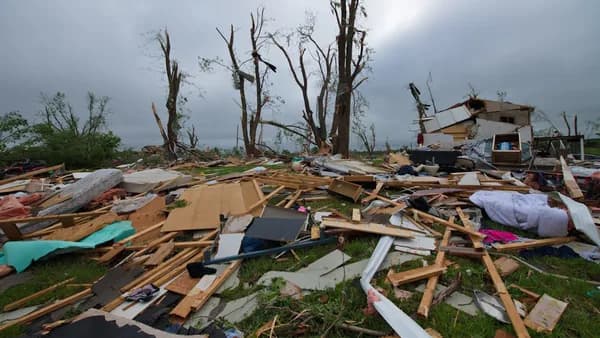
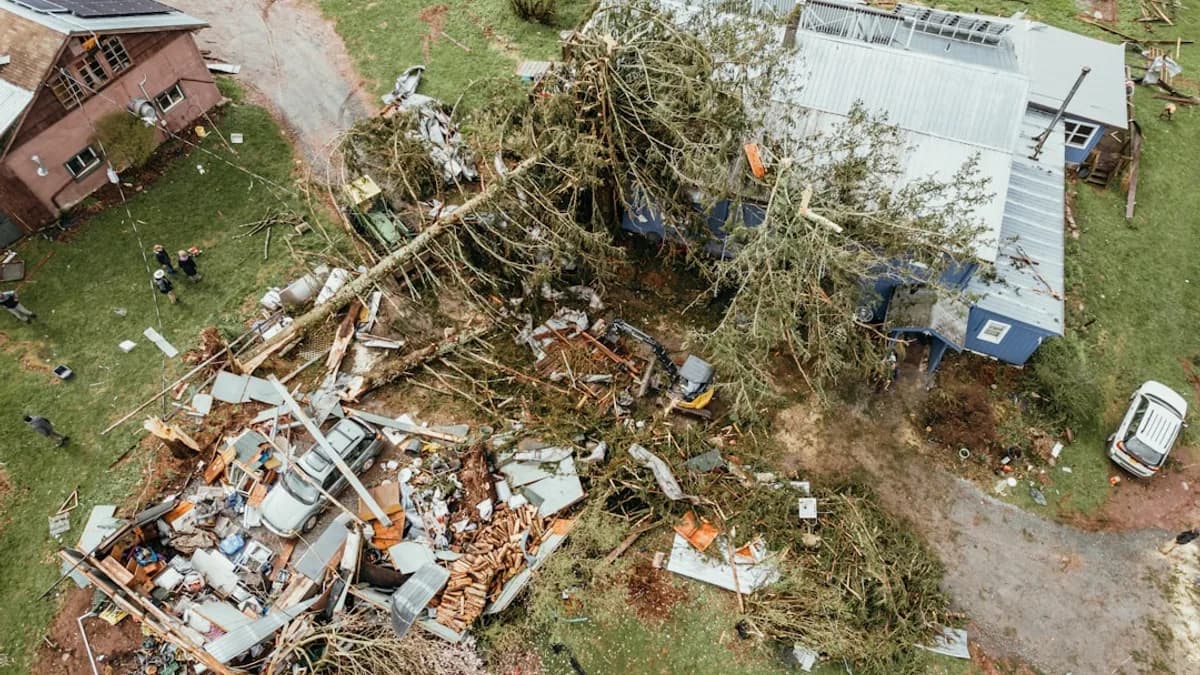
The tornado outbreak in Olmsted County has left a trail of destruction, with multiple communities reporting significant damage to homes, businesses, and infrastructure [Source: Source]. Emergency crews responded swiftly, but the scale of the damage has posed ongoing challenges. Downed trees and power lines, damaged roads, and widespread property destruction have made recovery efforts complex, with some areas rendered inaccessible due to debris.
Residents faced immediate humanitarian concerns, including displacement, loss of utilities, and the need for temporary shelter. Local authorities have set up emergency centers and coordinated relief supplies, but the stress of recovery remains high for many families. Comparatively, while the Midwest has seen devastating tornadoes in the past—such as the 2010 outbreak in Minnesota—this recent event stands out for the number of tornadoes reported in a single day and the breadth of affected areas [Source: FOX Weather, The New York Times].
Additionally, the aftermath has highlighted infrastructural vulnerabilities, particularly in rural communities where access to emergency services is limited. The disaster declaration has helped expedite cleanup and support, but rebuilding will require sustained effort and resources. Local officials emphasize the importance of community solidarity and continued vigilance as recovery progresses.
Ongoing Weather Risks and Safety Measures for Residents
Meteorologists warn that severe weather risks remain elevated for at least one more day in the Great Lakes and Appalachians, with forecasts indicating the possibility of additional storms and tornadoes [Source: The Weather Channel]. Residents in Olmsted County and surrounding regions are urged to stay alert and heed all tornado warnings issued by the National Weather Service.
Safety precautions during tornado warnings include seeking shelter in a basement or interior room away from windows, avoiding vehicles and mobile homes, and keeping emergency supplies—such as water, flashlights, and first-aid kits—readily accessible. Local authorities recommend registering for emergency alerts and monitoring real-time updates via radio, television, or smartphone apps.
For those affected or needing assistance, emergency contacts include the Olmsted County Emergency Management Office and local Red Cross chapters. Temporary shelters and resource centers have been established, with information available on county websites and through community outreach. As weather risks persist, preparedness and cooperation remain essential for minimizing further harm.
Conclusion: Preparing for Future Tornado Events and Community Resilience
The recent tornado outbreak in Olmsted County underscores the importance of community preparedness, robust early warning systems, and coordinated disaster response. Disaster declarations not only address immediate needs but also lay the groundwork for long-term recovery and resilience, supporting infrastructure rebuilding and mental health services [Source: Source].
As severe weather patterns continue to threaten the Midwest and other vulnerable regions, public awareness and proactive safety planning are critical. Residents are encouraged to review emergency procedures, develop family safety plans, and stay informed about local warnings. Community resilience depends on both institutional support and individual vigilance, ensuring that Olmsted County and similar areas can withstand and recover from future tornado events.