Introduction: Rising Oil Prices Amid US-Iran Maritime Tensions
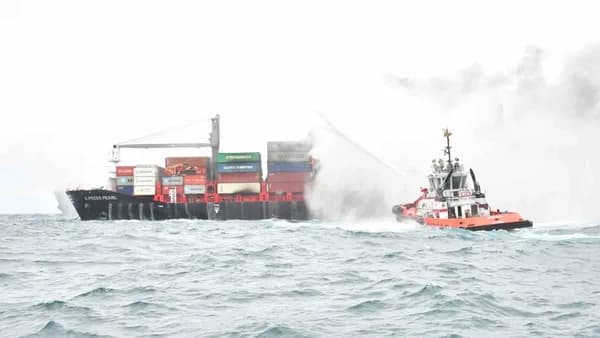
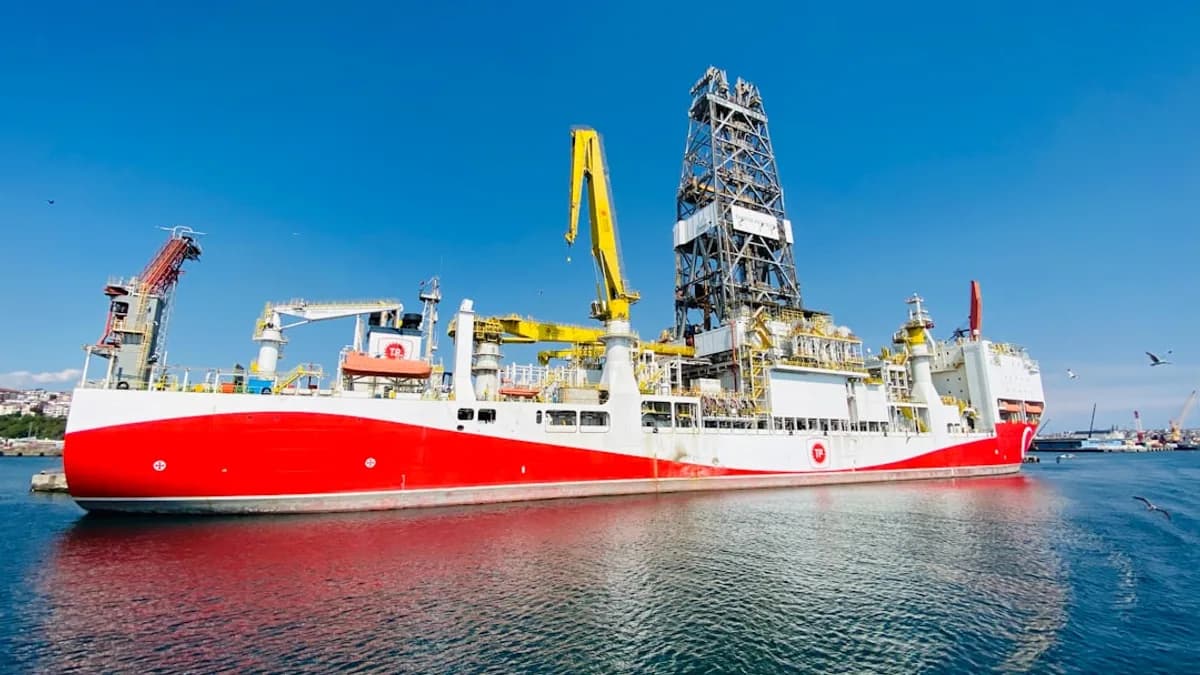
A single ship has sent shockwaves through global markets. This week, the United States seized an Iranian cargo vessel in a dramatic escalation of ongoing maritime tensions in the Strait of Hormuz—one of the world’s most vital oil transit corridors. The immediate fallout rippled across international oil markets, driving prices higher and rattling investors just as hopes for a US-Iran peace breakthrough were gathering steam. The incident underscores how quickly geopolitical flashpoints can upend both the energy sector and broader financial markets, especially when they center on chokepoints like the Strait of Hormuz, through which a fifth of the world’s oil flows daily [Source: Source]. As both Washington and Tehran dig in, uncertainty has become the only constant for traders, policymakers, and businesses worldwide.
Details of the US Seizure and Iran’s Response
The US action targeted an Iranian-flagged cargo ship suspected of violating sanctions—an operation that, while not unprecedented, comes at a particularly sensitive moment. US officials have described the seizure as part of ongoing efforts to enforce sanctions on Iranian oil exports, while Iranian authorities condemned the move as “illegal piracy” and promised swift retaliation [Source: Source]. Iranian state media amplified calls for a “firm response,” with military officials framing the incident as a test of Iran’s resolve in defending its maritime rights.
This latest episode fits into a long pattern of US-Iran confrontations at sea. Over the past decade, the Persian Gulf has witnessed everything from tanker seizures and sabotage to drone shootdowns and naval standoffs. Notably, the 2019 “tanker war” saw both sides detain each other’s ships, sparking spikes in oil prices and raising fears of open conflict. The current incident, however, is particularly sensitive because it collides with ongoing diplomatic efforts to revive nuclear negotiations and reduce regional tensions. With both countries’ leadership under domestic pressure not to appear weak, each move at sea risks triggering a cycle of escalation that goes beyond the original provocation.
Impact on Global Oil Prices and Energy Markets
Traders wasted no time reacting to the news. Within hours of the ship’s seizure and Iran’s threats of retaliation, oil prices surged sharply. Brent crude, the global benchmark, climbed over 3% to trade above $90 per barrel—its highest level in months—while West Texas Intermediate (WTI) saw similar gains [Source: Source]. This spike reflects both immediate supply concerns and the market’s sensitivity to any disruption in the Strait of Hormuz, which handles roughly 21 million barrels of oil daily. Any hint of conflict or blockage in the strait can quickly translate into higher energy costs worldwide.
Behind the price surge lies a potent combination of fear and fundamentals. The Strait of Hormuz has long been recognized as the world’s most strategically significant oil chokepoint; even minor incidents can trigger outsize reactions in futures markets. Energy analysts point to the “risk premium”—the extra cost built into oil prices to account for potential disruptions. This premium has been relatively subdued in recent months, thanks to easing fears of a US-Iran confrontation during earlier diplomatic overtures. But the sudden escalation has forced traders to reassess, fueling volatility and driving up hedging activity among refiners and airlines.
This episode also exposes the fragile balance in energy markets. With global inventories lower than average and OPEC+ production cuts already tightening supply, the prospect of even a temporary disruption in Persian Gulf shipments magnifies price movements. Asian importers like China, Japan, and India—who rely heavily on Gulf oil—face heightened costs and supply chain risks. Meanwhile, alternative suppliers such as the US and West Africa may see increased demand if the standoff persists.
Stock Market Reactions and Broader Financial Implications
The oil shock quickly spilled into equities. Global stock indices tumbled in early trading, with the energy sector outperforming even as broader markets slumped. Shipping stocks were particularly volatile, reflecting investor anxiety about possible insurance hikes, rerouted cargoes, and the specter of further maritime incidents [Source: Source]. The S&P 500 fell by over 1% in intraday trading, while major European and Asian indices posted similar losses.
Beyond energy and shipping, the uncertainty weighed on consumer-focused sectors and emerging markets—both highly sensitive to oil price shocks. Higher fuel costs threaten to stoke inflation just as central banks hoped to tame it, complicating monetary policy decisions worldwide. Meanwhile, safe-haven assets like gold and US Treasuries saw renewed inflows, underscoring the broader risk-off sentiment.
For institutional investors, the incident is a reminder of how geopolitical risks can override even the most sophisticated models. Portfolio managers are once again forced to weigh the likelihood of further escalation against the potential for a rapid de-escalation or diplomatic breakthrough. In recent years, major fund managers have increasingly factored “geopolitical tail risks”—unlikely but high-impact scenarios—into their asset allocation strategies, reflecting hard-learned lessons from previous crises in the Middle East.
Geopolitical Analysis: Implications for Iran Peace Deal Prospects
Perhaps the most significant fallout from the ship seizure is its impact on the fragile US-Iran diplomatic process. Negotiations aimed at reviving the 2015 nuclear deal had shown tentative progress, with both sides signaling willingness to compromise on some core issues. The latest incident, however, threatens to derail these efforts, emboldening hardliners in Tehran and deepening mistrust in Washington [Source: Source].
Analysts warn that the escalation could trigger a “tit-for-tat” cycle, making it politically risky for leaders on either side to back down. In Iran, the Revolutionary Guard and conservative factions may use the incident to argue against concessions, while US policymakers face domestic criticism for appearing too conciliatory. Such dynamics have repeatedly derailed past negotiations, most notably in 2018 when a series of confrontations preceded the Trump administration’s withdrawal from the nuclear accord.
The broader region is also watching closely. Gulf Arab states, already wary of Iran’s ambitions and skeptical of US security guarantees, may accelerate their own defense and diplomatic initiatives. Meanwhile, global powers such as China and Russia could exploit the rift to expand their influence in the Middle East energy landscape.
While some experts hold out hope for back-channel diplomacy, most agree the road to de-escalation has become much steeper. The episode highlights a core dilemma: incidents at sea can quickly overshadow months of patient negotiation, especially when both sides feel compelled to demonstrate strength.
Conclusion: Navigating Market Uncertainty Amid US-Iran Standoff
This week’s US seizure of an Iranian ship has delivered a potent reminder that geopolitics—especially in energy chokepoints like the Strait of Hormuz—can upend markets in an instant. Oil prices have surged, stock markets have retreated, and the path to a US-Iran peace deal now appears fraught with new obstacles [Source: Source]. For investors, businesses, and policymakers, the takeaway is clear: vigilance is essential. The next moves—whether further escalation or a return to quiet diplomacy—will set the tone for energy markets and global stability in the weeks ahead.
In the near term, the risk premium on oil is likely to persist, and market volatility could increase if further incidents occur or if diplomatic efforts stall. For those with exposure to the energy sector or Middle East supply chains, scenario planning and agile risk management are more crucial than ever. Ultimately, this episode underscores the enduring link between geopolitics and global finance—and the speed with which events can reshape both.